Local News
New gene therapy platform combines precision targeting with brain-wide delivery to advance treatment of neurological diseases

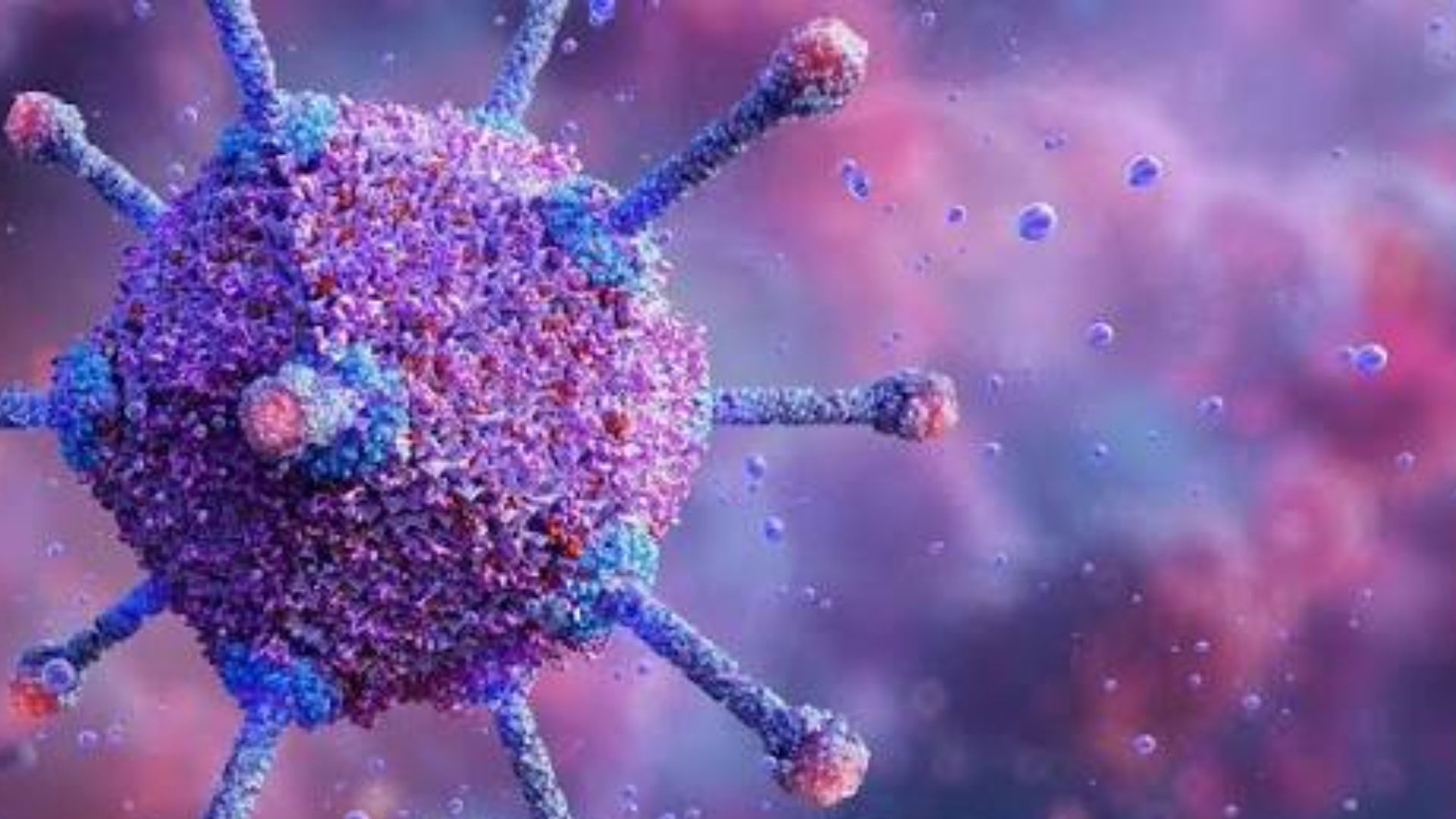
Rochester, New York – A new gene therapy platform developed by researchers could mark an important step toward treating a wide range of neurological diseases by solving two of the biggest problems that have long limited therapies for the brain. The strategy combines specially engineered viral vectors with the brain’s own fluid transport network, allowing therapeutic genes to spread widely throughout brain tissue while focusing on the cells that need treatment the most.
The research, published in Nature Biotechnology, introduces a method that pairs customized adeno-associated viruses (AAVs) with a delivery technique that makes use of the brain’s glymphatic system. Together, the two advances allowed scientists to deliver genes across large areas of the brain while primarily targeting human glial cells and reducing exposure to other organs and unwanted cell types.
Scientists say the approach could eventually contribute to new treatments for conditions including multiple sclerosis, Huntington’s disease, inherited white matter disorders, and several rare childhood neurological diseases.
For decades, one of the greatest obstacles in brain medicine has been finding a safe and efficient way to move therapies beyond the blood-brain barrier, the protective layer that prevents many drugs from entering the brain. Even when treatments do reach the brain, another challenge remains—ensuring they enter the correct cells instead of spreading throughout the body, where they may trigger unwanted side effects.
The newly developed platform was designed specifically to overcome both of those hurdles.
“Gene delivery to the brain has always faced two major obstacles,” said Steve Goldman, MD, PhD, co-director of the University of Rochester Medicine Center for Translational Neuromedicine and lead author of the study, which appears in Nature Biotechnology. “You need a way to get therapies into the brain selectively and efficiently, and you need vectors that can deliver those therapies to the right cells once they get there. This work addresses both challenges simultaneously.”
The work builds on years of research focused on glial cells, a group of cells that play essential supporting roles within the nervous system. Although neurons often receive most of the attention because they transmit electrical signals throughout the brain, glial cells are equally important. They help maintain healthy brain activity, produce myelin that insulates nerve fibers, provide nutrients, regulate communication between nerve cells, and contribute to repairing damaged tissue.
Goldman’s laboratory has spent years investigating how problems involving glial cells contribute to neurological disorders. That work has gradually changed scientific thinking, showing that diseases once believed to affect only neurons may also depend heavily on dysfunction within glial cells.
One example is Huntington’s disease. Earlier research from Goldman’s team demonstrated that healthy human glial progenitor cells could successfully compete with and replace diseased glial cells inside the brain. Those findings suggested that therapies directed at glial cells might slow or even modify disease progression.
“Over the last decade, we’ve learned that many neurological disorders involve glial dysfunction as a major driver of disease,” Goldman said. “That realization has created an urgent need for tools that can safely and efficiently deliver therapies to these cells throughout the brain.”
To build those tools, researchers designed a large collection of modified AAV5 viral vectors. Adeno-associated viruses are widely used in gene therapy because they can carry therapeutic genes into cells without causing disease themselves.
The research team altered the outer protein coating, known as the capsid, on each viral vector. Small differences in this outer shell determine which types of cells a virus naturally enters. By creating many slightly different versions, scientists hoped to identify those most effective at reaching human glial cells.
Rather than relying only on laboratory-grown cells, the team evaluated the viral vectors in mice whose brains had previously been transplanted with human glial progenitor cells. Using genetic tracking techniques, they monitored which viral designs most successfully infected the human cells while the cells were functioning inside a living brain.
“Human cells display different molecular signatures than mouse cells, and cells behave differently in the brain than they do in a dish,” said Goldman. “By selecting vectors under biologically relevant conditions, we were able to identify candidates with a strong preference for human glia.”
The resulting viral vectors showed a clear tendency to target human glial progenitor cells along with mature glial cell types, including astrocytes and oligodendrocytes. At the same time, they showed relatively little infection of tissues outside the brain, an important consideration for improving safety.
Designing better viral vectors, however, represented only part of the solution.
Researchers also needed a practical way to distribute those vectors throughout the brain. Delivering therapies to one small location often leaves much of the brain untreated, limiting effectiveness for diseases that affect widespread areas.
To address that challenge, the scientists turned to the glymphatic system, a network of fluid-filled pathways that circulates cerebrospinal fluid through brain tissue. Besides helping remove metabolic waste, this natural transport network can move substances across broad regions of the brain.
The glymphatic system was originally described by University of Rochester Medicine neuroscientist Maiken Nedergaard, MD, DMSc. Working together, researchers developed a strategy that uses these existing pathways to carry engineered viral vectors deep into brain tissue.
Instead of attempting to force the treatment across the blood-brain barrier through the bloodstream, the research team introduced the engineered viruses into the cisterna magna, a fluid-filled space located at the base of the brain. They combined this with hypertonic treatment to improve movement of fluid into the glymphatic network.
The result was broad distribution of the therapeutic vectors across the brain while largely avoiding the blood-brain barrier that has challenged neurological medicine for decades.
An additional benefit emerged as well. Because the viral vectors remained concentrated within the brain, organs such as the liver received far less exposure. Liver toxicity has been a significant concern with several gene therapies delivered through the bloodstream, making reduced exposure an important safety advantage.
“The glymphatic system is changing the way we think about brain drug delivery,” Goldman said. “Rather than trying to force therapies across the blood-brain barrier from the bloodstream, we can use the brain’s own transport pathways to distribute them more effectively where they are needed.”
Researchers believe the new platform may prove especially valuable for diseases that directly affect glial cells and the brain’s white matter. Among the first possible applications are pediatric lysosomal storage diseases and other inherited disorders in which glial cells fail to produce critical enzymes needed for normal brain function.
Because these conditions have well-understood genetic causes, scientists believe effective delivery of corrective genes throughout the brain could potentially alter how the diseases progress.
“These are diseases where the biological target is well defined,” Goldman said. “If you can deliver the corrective gene broadly throughout the brain, there is a real opportunity to change the course of disease.”
Looking further ahead, the same platform could eventually support experimental treatments for multiple sclerosis, Huntington’s disease, age-related white matter degeneration, and other neurodegenerative disorders where glial dysfunction contributes to worsening symptoms.
Beyond the immediate findings, researchers say the study provides a broader framework for future gene therapy development. Instead of creating one viral vector for every disease through lengthy trial and error, scientists hope to develop highly specialized vectors that can precisely target different brain cell populations.
Goldman’s team has already begun exploring whether artificial intelligence can help speed that process. By using AI to design viral capsids with specific targeting characteristics, researchers believe they may be able to create next-generation gene therapies more efficiently while tailoring them to individual diseases.
“We envision a future in which vectors can be designed for specific diseases and specific cell populations,” Goldman said. “This study shows that by combining targeted vector engineering with glymphatic delivery, we can begin to build that future.”
While additional research and future clinical testing will be required before the approach can become a treatment for patients, the study offers a promising new direction for neurological medicine. By combining precision viral engineering with the brain’s own transport system, researchers have demonstrated a strategy that may one day make it possible to deliver gene therapies more effectively, more safely, and to the cells where they are needed most.


-

 Local News2 years ago
Monroe County announces legal proceedings against properties listed in official public notice of foreclosure
-

 Local News2 years ago
New ALDI store close to Rochester to begin construction in late 2025 or early 2026
-

 Local News1 year ago
County Executive Adam Bello and members of the county legislature celebrate exceptional young leaders and advocates at the 2025 Monroe County Youth Awards
-

 Local News1 year ago
The 2025 Public Market Food Truck Rodeo series will begin this Wednesday with live music by the Royal Bromleys