Local News
Global supply chain disruptions create growing career opportunities for RIT students as companies seek skilled professionals

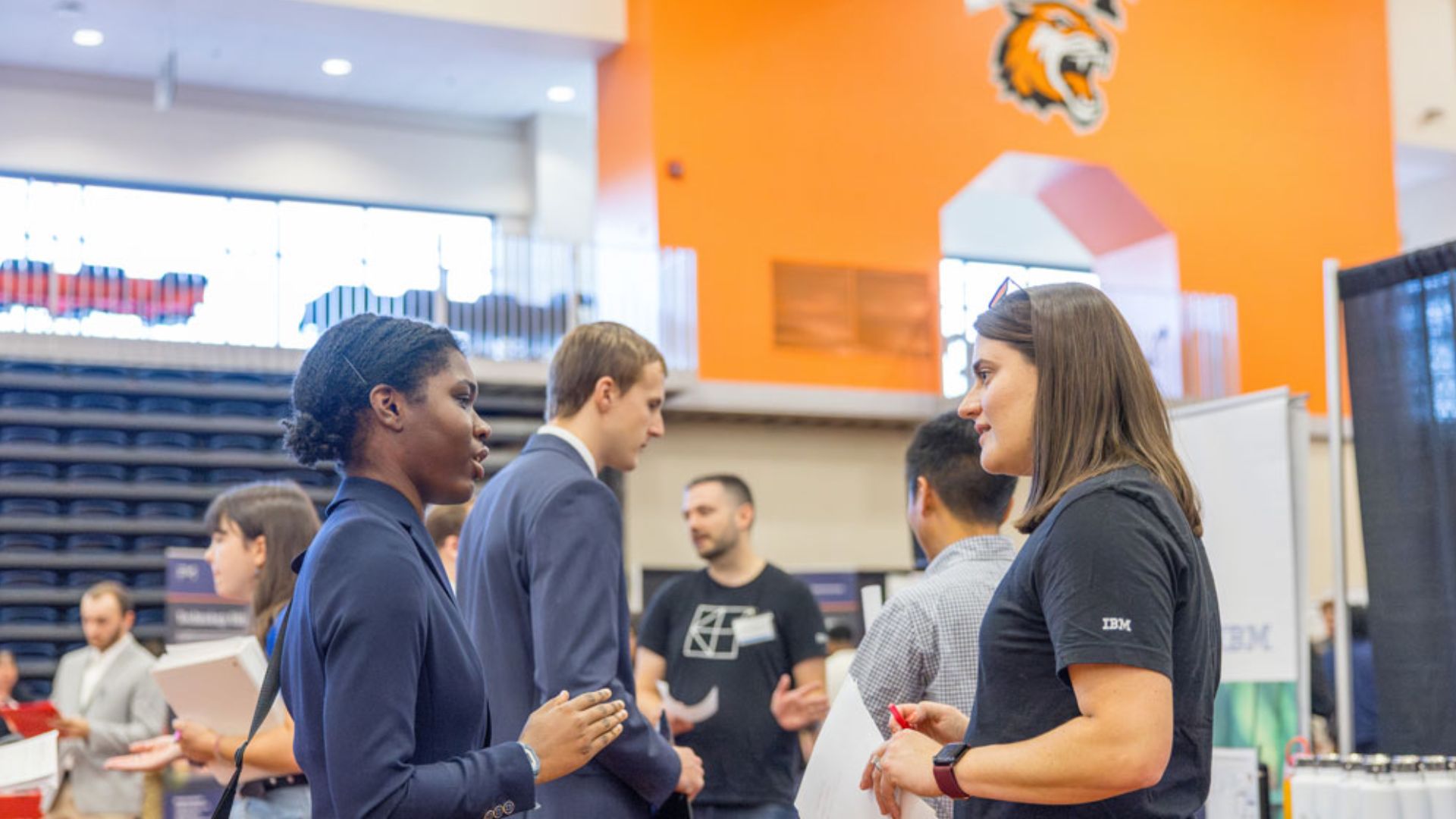
Rochester, New York – Global supply chains face constant challenges, from changing trade policies to unexpected disruptions that affect how companies move products and manage their operations. While these problems create uncertainty for businesses, they are also opening new career opportunities for students preparing to enter the field.
At Rochester Institute of Technology (RIT), students studying supply chain management are learning how to handle these challenges while gaining practical experience with major companies.
The university’s Saunders College of Business offers programs designed to prepare students for an industry where employers increasingly need professionals who can manage costs, coordinate suppliers, and respond to changing market conditions.
For graduate student Ian Anderson, supply chain management was not always an obvious career choice.
When he tells family members what he studies, they sometimes struggle to understand what the field involves. Their reactions usually change once he explains the work and its importance to businesses.
“When I give them my elevator pitch, they go, ‘Oh, that makes sense. It’s actually a really good thing to be getting into right now,’” said Anderson.
Anderson entered the program looking for a career that would allow him to build on his previous experience in contracting and project management. Supply chain management offered a way to use those skills while exploring different professional opportunities.
His experience also reflects a larger issue facing the industry. Many students enter college without a clear understanding of what supply chain professionals do or how important their work is to everyday business operations.
Kevin Sweeney, chair of the supply chain management program at Saunders College of Business, said the field receives much less attention among younger students than other business careers.
High school graduates often have some understanding of accounting or marketing, but few have been introduced to supply chain management as a possible profession.
Sweeney believes that lack of familiarity can actually help educators.
“I get to rebuild them,” Sweeney said. “They are a lot more malleable for me than maybe they would be for some other disciplines.”
Students who arrive without fixed expectations can develop their understanding of the industry from the beginning, learning how its different functions connect.
Meanwhile, employment projections suggest that demand for those skills will continue growing.
According to the U.S. Bureau of Labor Statistics, employment of logisticians, a major occupation within supply chain management, is expected to increase 17 percent over the next decade. That growth is approximately five times the average projected for all occupations.
Sweeney believes even that estimate may underestimate the opportunities ahead.
“Supply chains are constantly being disrupted,” said Sweeney. “Those disruptions actually lead to more opportunities, because there’s more problems to be solved.”
The program combines classroom instruction with practical experience through RIT’s nationally ranked cooperative education and internship system.
Saunders reports a 100 percent co-op placement rate for its supply chain management program, giving students opportunities to work directly with employers before completing their degrees.
One recent group of students, including Anderson, completed co-op assignments at L3Harris, an aerospace and defense company.
Every student in that group received a job offer before graduation, demonstrating how workplace experience can help students move from college into professional employment.
Read also: Rochester and Monroe County Board of Elections team up for National Voter Education Week events
Anderson’s work at L3Harris involves managing supplier contracts, allowing him to apply his previous experience while developing additional knowledge of supply chain operations.
However, his studies have also shown him that the industry involves much more than supplier relationships.
During a visit to CooperVision, Anderson observed a different approach to supply chain management. The company’s operations focused heavily on inventory planning and forecasting demand across a complicated product range.
The experience showed him how significantly supply chain responsibilities can differ between companies.
At L3Harris, his work centers on supplier contracts. At CooperVision, the emphasis was on ensuring that inventory and forecasts support the company’s product needs.
“You get this broad set of skills,” Anderson said. “And you could shift yourself to focus on any one of them, depending on what job you’re going into.”
RIT is also adjusting its curriculum to reflect the growing complexity of international trade.
Students studying global trade now examine more than the steps required to transport goods between countries. They also consider how tariffs influence company decisions, including where businesses obtain supplies and how they manage rising costs.
The coursework addresses questions about which additional expenses companies can manage temporarily and which may require lasting changes to their supply networks.
To provide students with perspectives beyond the classroom, professors invite industry specialists and policy experts to share their experience.
One recent guest was a former import-export policy official who served during the administration of President George H.W. Bush.
These discussions help connect academic lessons with the policy decisions and business challenges that shape international supply chains.
Sweeney emphasizes that students must develop sound judgment rather than depend entirely on particular methods or technical skills.
Different companies have different priorities. Some focus heavily on reducing expenses, while others place greater importance on delivery speed or managing operational risks.
Understanding those differences is an important part of preparing for the profession.
For Anderson, the combination of classroom learning, workplace experience, and exposure to different companies has helped demonstrate how many career paths exist within supply chain management.
As businesses continue dealing with disruptions and changing trade conditions, RIT’s program aims to prepare graduates who can adapt to those challenges and help employers find practical solutions.


-

 Local News1 year ago
Monroe County announces legal proceedings against properties listed in official public notice of foreclosure
-

 Local News2 years ago
New ALDI store close to Rochester to begin construction in late 2025 or early 2026
-

 Local News1 year ago
County Executive Adam Bello and members of the county legislature celebrate exceptional young leaders and advocates at the 2025 Monroe County Youth Awards
-

 Local News1 year ago
The 2025 Public Market Food Truck Rodeo series will begin this Wednesday with live music by the Royal Bromleys