State
Hochul announces more than $130 million to replace lead water lines across New York

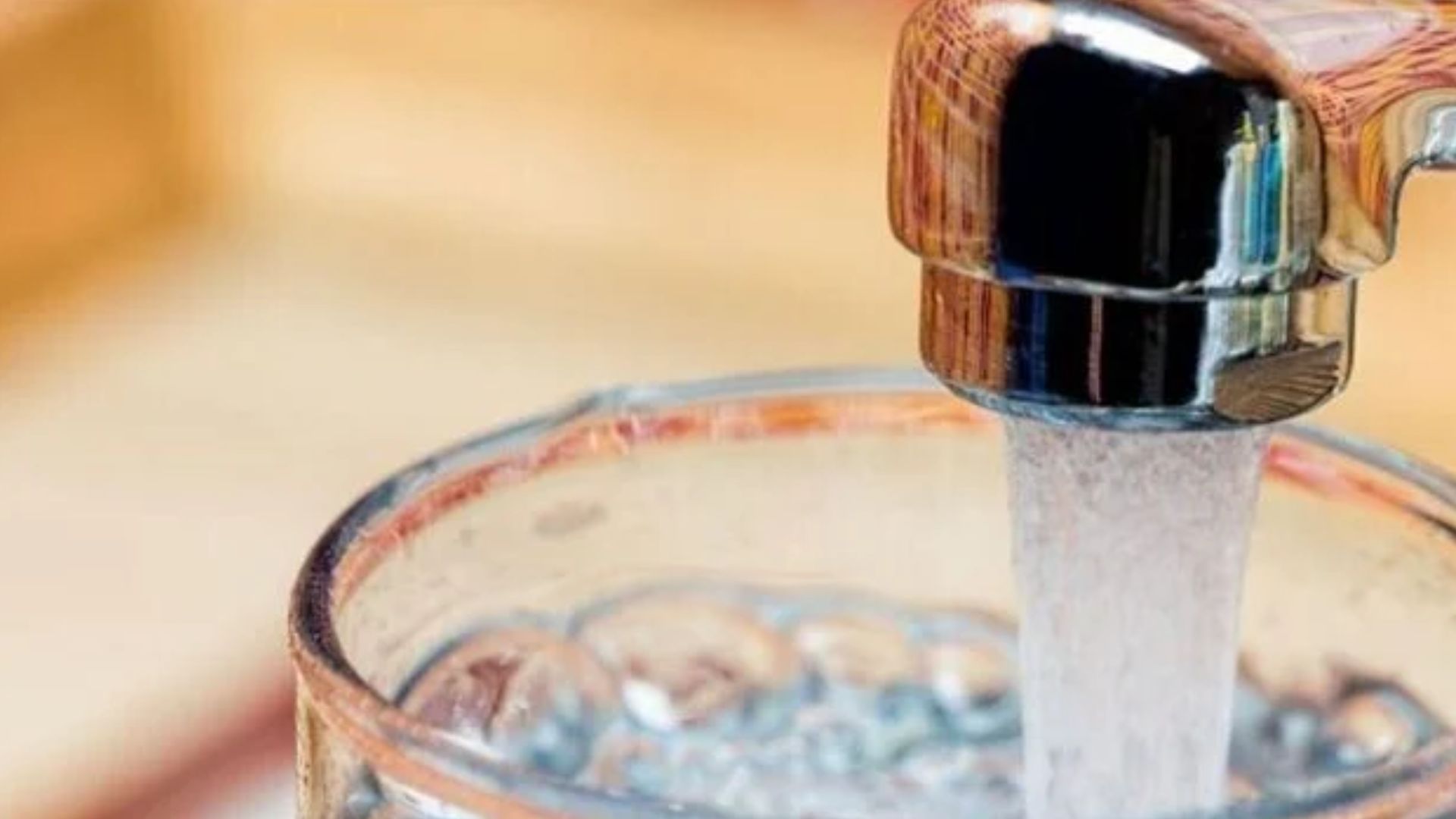
Albany, New York – New York Gov. Kathy Hochul has announced more than $130 million in state grants to help communities across the state identify and replace lead service lines, with the funding aimed at improving drinking water while limiting the financial burden on local ratepayers.
The grants are being provided through the state’s Lead Infrastructure Forgiveness and Transformation, or LIFT, program. The initiative is designed to help municipalities pay for lead service line inventory and replacement projects that are also supported through federal funding.
“Our communities shouldn’t have to choose between protecting their drinking water and taking on crushing debt,” Governor Hochul said. “Every family deserves clean, safe drinking water at a cost they can afford, and these grants will help us make that goal a reality.”
Lead remains a concern for drinking water systems because it can enter water when lead pipes, faucets and other plumbing fixtures corrode. Water with high acidity or low mineral content can contribute to that corrosion. According to the state, lead service lines, which connect individual properties to water mains, are typically the most significant source of lead in drinking water.
Older communities and homes are more likely to have lead plumbing. The state notes that lead plumbing is particularly likely to be found in older cities and in homes built before 1986.
The new grants are intended to help municipalities move forward with projects funded in part through the federal Infrastructure Investment and Jobs Act. A portion of federal funding for lead service line projects is required to be provided in the form of loans.
For some communities, particularly those facing economic challenges, taking on additional debt for water infrastructure can create a significant financial strain. The LIFT program is designed to address that issue by using state grants to repay the loan portion of eligible funding packages after projects are completed.
That approach is intended to prevent local ratepayers in participating communities from carrying the full cost of the work.
The latest awards prioritize communities that meet certain economic criteria. Eligible communities include those where median household income is below 80 percent of the regionally adjusted statewide median household income, as well as communities with local poverty rates above the statewide poverty rate.
The funding will reach communities in different parts of New York, with awards ranging from several hundred thousand dollars to $14 million.
Among the recipients, the Albany Municipal Water Finance Authority will receive $4,252,531, while the City of Batavia will receive $3,223,442. Buffalo was awarded $11,832,000, and Canandaigua will receive $869,300.
Read also: Two seriously injured after head-on crash in Caroline
Other grants include $301,778 for the Village of Frankfort, $3,737,741 for Geneva, $535,540 for Glens Falls and $4.91 million for Ithaca.
The Village of Johnson City will receive $3,687,000, while Kingston was awarded $8,928,300. Little Falls will receive $2,862,300, and the Mohawk Valley Water Authority was awarded $3,304,950.
Newburgh will receive $2,711,458, while the Niagara Falls Water Board was awarded $1,464,487. New York City will receive $14 million for projects in Queens, Brooklyn and Staten Island.
Olean was awarded $5,923,939, Oneonta will receive $433,500, and Port Jervis was awarded $13,400,768. Poughkeepsie and Rochester will each receive $14 million.
The remaining awards include $7,230,000 for Rome, $1,088,710 for the Town of Seneca Falls, $11,097,000 for Troy and $518,000 for Watervliet.
The state says the LIFT initiative combines state and federal resources to reduce pressure on local governments while allowing communities to continue replacing lead service lines. The grants are part of a broader effort by New York to improve water infrastructure and address the costs associated with those projects.
Since 2022, New York has awarded more than $600 million in federal Infrastructure Investment and Jobs Act funding for lead service line inventory and replacement. That total includes approximately $310 million in grants and $295 million in loans.
The state has also expanded its use of LIFT to forgive the loan portion of eligible projects. Including the newest awards, more than $290 million has been awarded through the LIFT program for loan forgiveness since Hochul launched the initiative in 2024.
Maureen A. Coleman, president and CEO of the New York State Environmental Facilities Corporation, said the cost of safe drinking water is an important part of household affordability.
“Governor Hochul recognizes that affordability isn’t just about rent or groceries or the cost of childcare. It’s also about whether a family can afford safe water. Too often, communities are asked to choose between long-overdue capital improvements and the financial burden they bring. Governor Hochul’s grants flip that script. When funding is structured thoughtfully, when State support is strong, we can achieve real results without placing new burdens on already-stretched households.”
New York State Health Commissioner Dr. James McDonald also pointed to the public health importance of replacing lead service lines.
Read also: Portion of Schlegel Road to close Monday for Monroe County culvert replacement project
“Governor Hochul and the New York State Department of Health share the same goal of safeguarding drinking water for every New Yorker. These grants will help municipalities affordably replace lead service lines, protect the communities from lead exposure and ensure more New Yorkers have access to safe drinking water — the foundation to good health.”
The new funding comes as New York continues to make large investments in water infrastructure. The state’s FY27 budget includes a $3.75 billion water infrastructure investment plan. Since 2021, New York has committed $10.6 billion to clean water infrastructure projects, according to the state.
The Environmental Facilities Corporation is also reviewing applications for $425 million made available through the first installment of that investment. Part of the funding can be used for lead service line inventory and replacement.
Together, the various programs are intended to help communities identify where lead service lines remain and provide funding to replace them. The state says reducing the financial burden on municipalities and residents can make it easier for local governments to complete water infrastructure projects.
Residents can also track projects supported by Environmental Facilities Corporation investments through the agency’s interactive project impact dashboard.


-
 Local News1 year ago
Monroe County announces legal proceedings against properties listed in official public notice of foreclosure
-

 Local News2 years ago
New ALDI store close to Rochester to begin construction in late 2025 or early 2026
-

 Local News1 year ago
County Executive Adam Bello and members of the county legislature celebrate exceptional young leaders and advocates at the 2025 Monroe County Youth Awards
-

 Local News1 year ago
The 2025 Public Market Food Truck Rodeo series will begin this Wednesday with live music by the Royal Bromleys