State
Governor Hochul signs Medical Aid in Dying Act, expanding end-of-life options for terminally ill New Yorkers

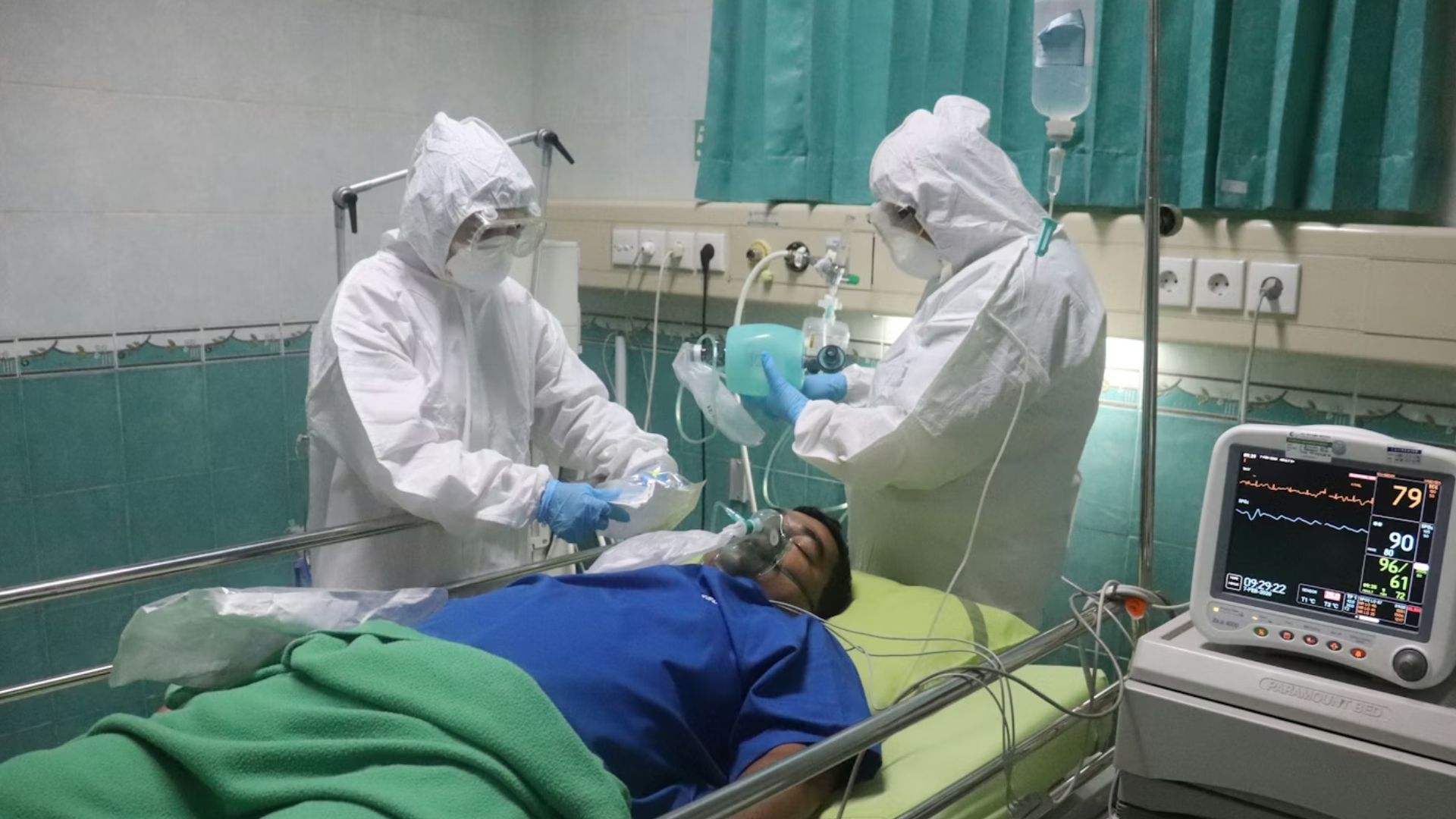
New York – New York has entered a new chapter in end-of-life care after Governor Kathy Hochul signed the Medical Aid in Dying Act into law, a move that supporters describe as historic, deeply personal, and long overdue. The legislation, known as S.138/A.136, allows terminally ill New Yorkers with a prognosis of less than six months to live to request medical aid in dying under carefully defined conditions.
The signing follows years of debate, advocacy, and emotional testimony from patients, families, health care professionals, and lawmakers. For many involved, the law represents not only a policy change but a shift in how the state recognizes dignity, autonomy, and compassion at the end of life. Governor Hochul emphasized that the decision was reached only after extensive reflection and conversations with those most affected.
“Our state will always stand firm in safeguarding New Yorkers’ freedoms and right to bodily autonomy, which includes the right for the terminally ill to peacefully and comfortably end their lives with dignity and compassion,” Governor Hochul said. “This journey was deeply personal for me. Witnessing my mother’s suffering from ALS was an excruciating experience, knowing there was nothing I could do to alleviate the pain of someone I loved. It took years of intimate discussions with our bill sponsors, health experts, advocates, and most importantly, families who have similar firsthand experiences. New Yorkers deserve the choice to endure less suffering, not by shortening their lives, but by shortening their deaths — I firmly believe we made the right decision.”
Under the new law, medical aid in dying will be available only to terminally ill adults who meet strict eligibility requirements. The measure is designed to give patients control over how they face the final stage of life, while ensuring that no one is pressured or coerced into making the choice. The original version of the bill already included multiple safeguards, but additional guardrails were added through collaboration between the Governor’s office and the Legislature.
Those protections include a mandatory five-day waiting period between when a prescription is written and when it can be filled, giving patients time to reflect on their decision. The law also requires that a patient’s oral request be recorded by video or audio, adding an extra layer of accountability. A mandatory mental health evaluation by a psychologist or psychiatrist is required to confirm that the patient is capable of making an informed decision.
Further safeguards prohibit anyone who could benefit financially from a patient’s death from serving as a witness or interpreter. Medical aid in dying will be limited to New York residents, and the initial evaluation by a physician must be conducted in person. Religiously affiliated home hospice providers are allowed to opt out of offering medical aid in dying, and any violation of the law will be treated as professional misconduct under the state’s Education Law.
The law will not take effect immediately. Instead, its implementation is delayed for six months, allowing the New York State Department of Health time to develop regulations and giving health care facilities time to train staff and prepare for compliance. Supporters say this transition period is critical to ensuring the law is applied responsibly and consistently across the state.
The Governor first announced her support for the legislation in December, standing alongside lawmakers, advocates, and New Yorkers who shared their lived experiences with terminal illness. That announcement marked a turning point after years of stalled efforts. The Times Union later published an op-ed outlining her position and reinforcing the importance of compassion and patient choice.
State Senator Gustavo Rivera, who carried the bill in the Senate, praised the signing as a meaningful step forward for patients facing the end of life. “I’m honored to carry the Medical Aid in Dying Act on behalf of the new Manhattan Borough President Brad Hoylman-Sigal. Our state must ensure terminally-ill New Yorkers can choose their journey. I want to thank Assemblymember Paulin and former Senator Hoylman-Sigal for their tireless work to give these New Yorkers the option to make an end-of-life care decision in a dignified and compassionate manner, and to Governor Hochul for signing this bill into law.”
Assemblymember Amy Paulin, the Assembly sponsor, described the moment as both historic and deeply emotional. “Today is a historic day for New York. “The Medical Aid in Dying Act gives New Yorkers the dignity they deserve at the most vulnerable moment in their lives. This legislation is about love, autonomy, and easing needless suffering. My sister died a horrific death from ovarian cancer, and in her final days she was in pain so overwhelming that she begged for death. Her experience is, tragically, the story of so many others. Most people will never choose medical aid in dying, but they want the reassurance of having it as a compassionate safeguard that offers comfort even if it is never used. I am profoundly grateful to Governor Hochul for recognizing the deep compassion at the heart of this legislation and to the extraordinary advocates who have spent years working to make this day possible.”
Read also: Ten-vehicle crash temporarily closes Route 490 ramp in Rochester on Sunday morning
Manhattan Borough President Brad Hoylman-Sigal, a longtime supporter of the bill, highlighted the years of work and the many voices that shaped the final law. “Today’s signing of the Medical Aid in Dying Act marks a historic step forward for compassion, dignity, and personal autonomy in New York State. For terminally ill New Yorkers facing unimaginable pain and suffering, this law ensures they will have the ability to make deeply personal end-of-life decisions on their own terms. This legislation has been years in the making, shaped by the voices of patients, families, physicians, advocates, and faith leaders who courageously shared their experiences. From the beginning, I have said this bill is not about ending life — it is about shortening death and easing suffering. I am deeply grateful to Governor Kathy Hochul for signing this bill into law and for working with the Legislature to strengthen critical safeguards that protect patients, providers, and families while preserving meaningful choice for those with less than six months to live. I also thank Senator Gustavo Rivera for his leadership as Senate sponsor, Assembly sponsor Amy Paulin, Senate Leader Andrea Stewart-Cousins, and the advocates who helped bring this legislation across the finish line. Most of all, we owe a profound debt of gratitude to the New Yorkers with terminal illnesses and their loved ones who bravely shared their stories to ensure future generations have greater dignity, comfort, and control at the end of life.”
Advocacy groups that have worked on the issue for more than a decade welcomed the signing as the result of sustained effort and personal courage. Compassion & Choices Senior Campaign Director Corinne Carey reflected on the long path to this moment. “We are deeply grateful to Governor Hochul for listening to families navigating the realities of terminal illness, to our legislative champions for their steadfast leadership, and to the advocates — many of whom did not live to see this day — whose courage made this moment possible. This law is the result of more than a decade of steady, persistent advocacy by thousands of New Yorkers who shared deeply personal stories and helped move this conversation forward across our state. The Medical Aid in Dying Act affirms a simple but profound principle: that everyone deserves compassion and the freedom to make deeply personal decisions about their own body and their own care at the end of life.”
End of Life Choices New York, another leading advocacy organization, emphasized that while the bill has been signed, much work still lies ahead. Executive Director Mandi Zucker said implementation and education will be key in the months to come. “Governor Hochul delivered on her promise to New Yorkers by signing the Medical Aid in Dying Act. End of Life Choices New York was proud to be at the Governor’s announcement in December when she said she would sign the bill, and we were excited then. But today’s milestone is something altogether different – one that we are so proud to have played a small part in seeing to fruition. Yet today’s announcement that the Governor signed the bill is not the end of the fight to implement Medical Aid in Dying for millions of New Yorkers and their families. It is another mile marker in the long and winding road towards fairness, choice, peace, and dignity for all of those watching loved ones struggle with a terminal illness. Over the next six months and beyond, End of Life Choices New York will engage in a massive educational effort for physicians, attorneys, nurses, pharmacists, doulas, and so many other professionals who will be immediately impacted by this new law, as well as the general public. We look forward to working with the Governor’s office and many professional organizations to ensure the law is implemented successfully and efficiently.”
Supporters say the law does not compel anyone to choose medical aid in dying, nor does it require health care providers to participate against their beliefs. Instead, they argue, it offers reassurance and choice to people facing the most difficult circumstances, while respecting ethical, medical, and religious boundaries.
As New York prepares to implement the Medical Aid in Dying Act, state officials and advocates alike say the focus will remain on education, oversight, and compassion. For families who have watched loved ones suffer, the law represents acknowledgment of their experiences. For others, it offers peace of mind, even if it is never used.
With the signing complete, New York joins a growing number of states that allow medical aid in dying under strict conditions. For Governor Hochul and those who fought for the bill, the moment stands as a reflection of deeply personal stories transformed into public policy, guided by the belief that dignity and choice should remain central, even at the end of life.


-
 Local News1 year ago
Monroe County announces legal proceedings against properties listed in official public notice of foreclosure
-

 Local News2 years ago
New ALDI store close to Rochester to begin construction in late 2025 or early 2026
-

 Local News1 year ago
County Executive Adam Bello and members of the county legislature celebrate exceptional young leaders and advocates at the 2025 Monroe County Youth Awards
-

 Local News1 year ago
The 2025 Public Market Food Truck Rodeo series will begin this Wednesday with live music by the Royal Bromleys