State
Governor Hochul begins 2026 with expanded affordability agenda aimed at cutting taxes, raising wages and easing costs for New Yorkers

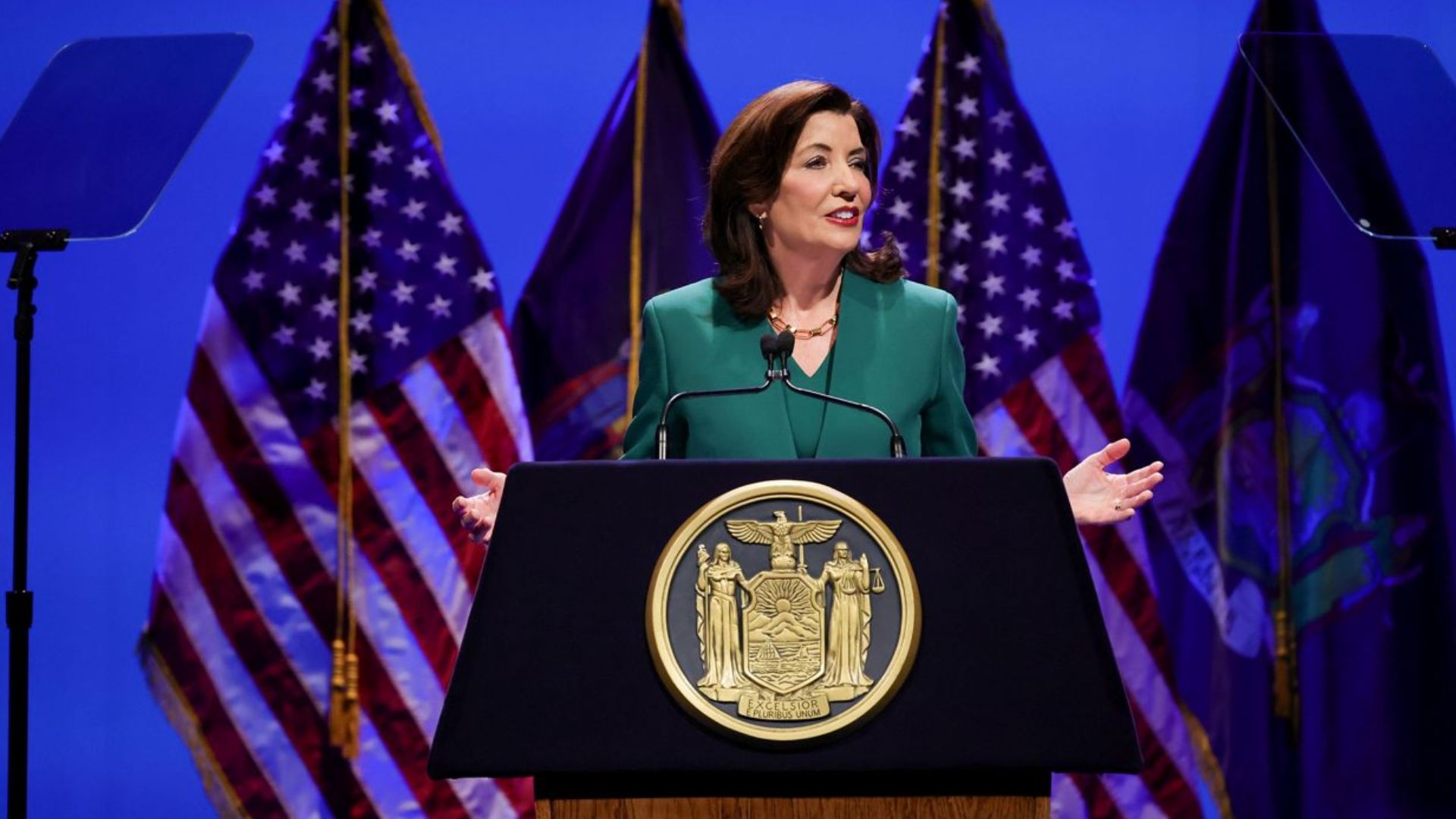
New York – As New York stepped into 2026, Governor Kathy Hochul began the new year with a renewed focus on affordability, outlining a wide-ranging set of tax relief measures and wage increases designed to ease financial pressure on working families. With the new tax year officially underway on January 1, the Governor used the moment to highlight policies already taking effect and to preview new proposals planned for the upcoming FY2027 Executive Budget.
At the center of the announcement is Hochul’s continued push to put more money back into household budgets. Since taking office, the Governor has advanced policies that have returned more than $9 billion to New Yorkers through tax relief and affordability programs. State officials say the latest initiatives are meant to address rising costs that have made everyday life more expensive for millions of residents.
“As we welcome in the New Year, affordability remains my top priority and I am doubling down on my commitment to put money back in New Yorkers’ pockets,” Governor Hochul said. “Starting today, tax rates for the vast majority of lower and middle-class New Yorkers will be cut, families with children will see a sweeping increase in the child tax credit, and minimum wage workers across the state will see their wages go up. I’m kicking the new year off with a proposal of no state income tax on tips, continuing my efforts to make New York more affordable for hard working New Yorkers.”
One of the most notable proposals announced involves tipped workers. In her FY2027 Executive Budget, Hochul plans to introduce legislation that would eliminate state income taxes on up to $25,000 of tipped income during tax year 2026, following federal guidance. If approved by lawmakers, the change would offer meaningful relief to service industry workers who rely heavily on tips to make ends meet.
The proposal builds on growing concerns about rising prices across the state. Over the past five years, costs for groceries, insurance, utilities, and everyday services have increased sharply. The Governor has said she has heard directly from residents struggling to keep up, which led to the creation of her broader Affordability Agenda.
A major piece of that agenda is a middle-class tax cut that officially took effect at the start of 2026. Included in the FY2026 Enacted Budget, the tax cut is expected to deliver nearly $1 billion in relief to more than 8.3 million New Yorkers. Taxpayers earning up to $323,000 as joint filers are eligible, and when fully phased in, the cuts are projected to benefit nearly 77 percent of all filers statewide. For many households, the savings will amount to hundreds of dollars each year.
Families with children are also set to receive expanded support through a historic increase in New York’s child tax credit. The FY2026 Enacted Budget continued Hochul’s push to strengthen the program, which now provides assistance to more than 2.75 million children across the state. Under the expansion, families can receive up to $1,000 per year for each child under the age of four and up to $500 per year for children between the ages of four and 16.
State officials note that this expansion represents the largest increase in the credit’s history, far exceeding the previous maximum of $330 per child. The rollout is being phased in over two years, with families of younger children seeing benefits starting in 2026 and families with older children receiving expanded credits beginning in 2027.
In addition to tax relief, wage increases are now in effect for minimum wage workers throughout New York. Beginning January 1, 2026, the minimum wage rose to $17 per hour in New York City, Westchester County, and Long Island. In the rest of the state, the minimum wage increased to $16 per hour. The changes are part of a multi-year plan adopted in the FY2024 Enacted Budget aimed at helping low-wage workers keep pace with the cost of living.
Looking ahead, the state’s minimum wage will no longer rely on periodic legislative action alone. Starting in 2027, future increases will be tied directly to inflation, based on the Consumer Price Index for Urban Wage Earned and Clerical Workers for the Northeast region. State officials say this approach offers a more accurate reflection of rising costs and provides workers with predictable, ongoing adjustments.
The Governor’s latest announcements also build on earlier affordability measures rolled out under her administration. These include a $2 billion Inflation Refund program that delivered up to $400 to more than 8.2 million New Yorkers, as well as the expansion of universal free school meals. According to state estimates, free meals save families up to $1,600 per child each year.
Taken together, the initiatives mark a significant effort by the Hochul administration to address economic pressures facing New Yorkers at the start of 2026. While some proposals, such as the elimination of state taxes on tips, still require legislative approval, others are already impacting paychecks and tax bills.
As lawmakers prepare to review the Governor’s upcoming budget proposal, affordability is expected to remain a central theme. For millions of residents, the changes taking effect this year signal a shift toward easing financial strain at a time when many households continue to feel stretched.


-
 Local News2 years ago
Monroe County announces legal proceedings against properties listed in official public notice of foreclosure
-

 Local News2 years ago
New ALDI store close to Rochester to begin construction in late 2025 or early 2026
-

 Local News2 years ago
County Executive Adam Bello and members of the county legislature celebrate exceptional young leaders and advocates at the 2025 Monroe County Youth Awards
-

 Local News1 year ago
The 2025 Public Market Food Truck Rodeo series will begin this Wednesday with live music by the Royal Bromleys