State
Attorney General Letitia James files lawsuit against UPS accusing the company of cheating seasonal workers out of millions of dollars in unpaid wages

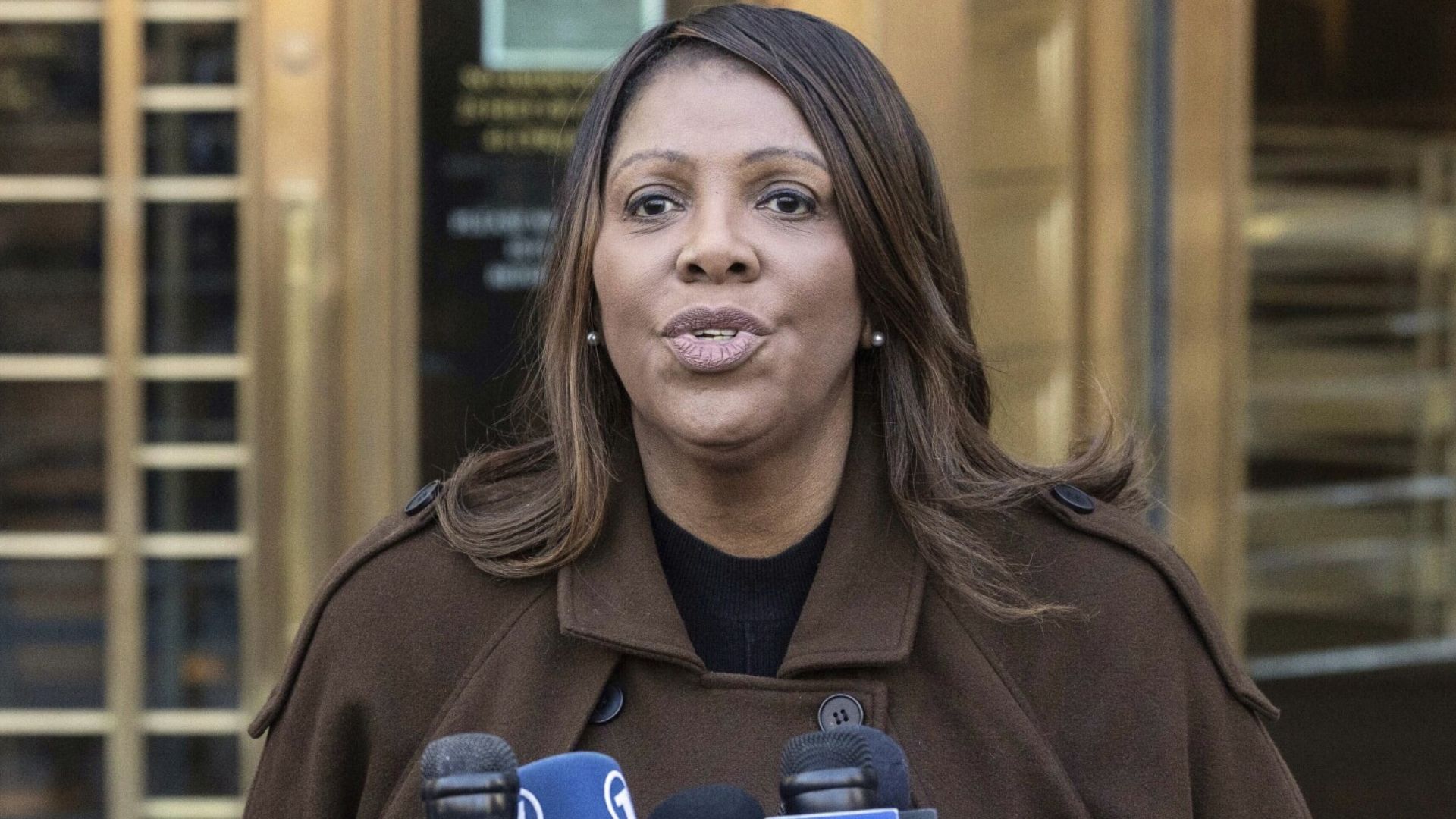
New York – New York Attorney General Letitia James has filed a sweeping lawsuit against United Parcel Service, Inc. (UPS), accusing the global delivery giant of systematically stealing wages from thousands of seasonal workers across New York State. The legal action follows a lengthy investigation that uncovered what state officials describe as repeated and deeply embedded labor law violations affecting workers hired during the company’s busiest months.
According to the lawsuit, UPS failed for years to properly pay seasonal delivery workers who are essential to keeping packages moving during peak holiday demand. Investigators allege the company routinely undercounted hours, forced workers to perform unpaid labor off the clock, and altered timekeeping records to reduce wages. The Attorney General’s Office says these practices cost workers millions of dollars in lost pay and violated both state and federal labor laws.
“UPS built its holiday business on the backs of workers who were not paid for their time and labor,” said Attorney General James. “UPS’s seasonal employees work brutal hours in the cold to deliver the holiday packages families across the country count on. Instead of compensating these workers fairly for their labor, UPS has played the Grinch. I am fighting to get these workers their money back and stop UPS from continuing its cruel and unlawful wage theft.”
UPS is the largest package delivery company in the world, generating roughly $90 billion in annual revenue and employing close to half a million workers globally. In New York alone, the company hires thousands of temporary employees each year between October and January to manage the surge in deliveries tied to the holiday shopping season. These seasonal workers include Driver Helpers, who assist full-time drivers on delivery routes, and Seasonal Support Drivers, who use their own vehicles to transport packages.
The investigation began in 2023 after Teamsters Local 804 raised concerns about widespread pay issues affecting seasonal employees. What initially appeared to be isolated complaints soon revealed a much larger pattern. After reviewing payroll records, worker interviews, and internal practices, the Office of the Attorney General concluded that the wage violations were not accidental or rare, but rather part of a consistent system applied across UPS facilities in New York.
Seasonal workers told investigators they were often required to report to warehouses, parking lots, or roadside meeting points at the start of their shifts, only to wait for extended periods without being paid. In some cases, workers said they waited for hours before deliveries even began. Others were sent home without ever being allowed to clock in, despite having already traveled to the work site and followed company instructions.
Workers also reported losing pay for time spent traveling between assignments, watching mandatory training videos, returning undelivered packages, and turning in equipment at the end of their shifts. For employees hired for only a few intense months each year, these unpaid hours added up quickly, cutting deeply into income they relied on to cover basic expenses.
The Attorney General’s investigation found that UPS used timekeeping practices that systematically reduced the number of hours recorded. In some cases, workers were not allowed to clock in until they scanned or delivered their first package, even if they had already been on site, preparing vehicles, loading packages, or waiting for instructions. This meant that any work done before that first scan went completely unpaid.
Investigators also found that UPS automatically deducted 30-minute meal breaks from workers’ time records, regardless of whether the workers actually took a break. In many cases, seasonal employees said they worked straight through these periods due to heavy workloads or time pressure. Despite this, their pay was reduced as if a break had occurred.
The lawsuit further alleges that UPS managers edited timesheets to reduce recorded hours and calculated pay based on whichever was later, a worker’s scheduled start time or their delayed clock-in. This approach, the Attorney General argues, ensured that any early work, even if required by UPS, was never compensated.
Seasonal workers frequently arrived at work ready to begin their shifts, only to find that delivery trucks or packages were delayed. During these gaps, workers said they were instructed to perform other tasks, such as organizing vehicles, assisting with loading, or traveling to different meet-up locations. None of this time, according to the lawsuit, was counted as paid labor.
During peak holiday periods, many seasonal workers logged more than 40 hours per week. Despite this, the Attorney General alleges that UPS failed to pay legally required overtime wages. Workers also reported being told to clock out before finishing their assignments, then complete remaining tasks without pay. Mandatory training sessions, work performed during supposed meal breaks, and other required duties were also excluded from paid time.
Union leaders say the lawsuit confirms long-standing concerns raised by workers and labor advocates. “We at Teamsters local 804 deeply appreciate the work Attorney General Letitia James and her office have done to hold corporations like UPS accountable,” said Vincent Perrone, President, International Brotherhood of Teamsters Local 804. “UPS thought they could exploit seasonal workers by not paying them for all time worked. But the Teamsters and the State of New York will always stand up to corporate greed and abuse. Thank you for standing with us and with working people across our great state.”
Labor leaders argue that seasonal workers are particularly vulnerable to exploitation because of the temporary nature of their jobs. Many are unfamiliar with their rights, eager to earn extra income, and reluctant to speak out for fear of losing future work opportunities. According to the Attorney General’s Office, UPS’s practices took advantage of this imbalance.
“Joint Council 16 thanks the Attorney General’s office for continuing to uphold the rights of working New Yorkers,” said Thomas Gesualdi, President of International Brotherhood of Teamsters Joint Council 16. “Too often, we see corporations getting away with the exploitation and abuse of vulnerable workers. Teamsters, alongside Attorney General Letitia James, will always fight back against corporate greed and malfeasance. We are proud to stand together and bring UPS into compliance with the law. Wage theft is theft.”
Attorney General James argues that UPS’s actions violate multiple provisions of New York Labor Law, including minimum wage requirements, promised wage protections, overtime rules, wage statement accuracy, and proper recordkeeping. The lawsuit also alleges violations of the federal Fair Labor Standards Act, which sets nationwide standards for wages and overtime.
Through the lawsuit, the Attorney General is asking the court to order UPS to pay restitution to current and former seasonal workers who were denied wages. The state is also seeking court-ordered reforms that would require UPS to overhaul its timekeeping and pay practices, end off-the-clock work, and ensure compliance with labor laws moving forward.
The case highlights the growing scrutiny of large employers and their treatment of temporary and seasonal workers, particularly during high-demand periods when workloads intensify. State officials argue that compliance with labor laws is not optional, regardless of a company’s size or profitability.
The lawsuit is being handled by a large team within the Office of the Attorney General, reflecting the complexity and scale of the case. Assistant Attorneys General Jessica Agarwal, Anastasia Eriksson, and Julio Sharp-Wasserman are leading the litigation under the supervision of Civil Enforcement Section Chief Fiona J. Kaye, Deputy Labor Bureau Chief Young Lee, and Labor Bureau Chief Karen Cacace. They are supported by research, analytics, and legal staff from across the office.
The Labor Bureau, which is part of the Division for Social Justice, has played a central role in the investigation. That division is led by Chief Deputy Attorney General Meghan Faux and overseen by First Deputy Attorney General Jennifer Levy. State officials say the lawsuit reflects a broader commitment to protecting workers and holding powerful corporations accountable.
For many of the affected workers, the case represents more than just a financial dispute. It is about recognition of the labor they performed under demanding conditions, often in cold weather and under intense time pressure, to keep deliveries moving during the holidays. State officials argue that these workers deserve to be paid for every hour they worked, no matter how short their employment period may have been.
As the case moves forward, it is likely to draw close attention from labor advocates, employers, and workers across the state. The outcome could shape how seasonal labor is managed not only at UPS, but across industries that rely heavily on temporary workers during peak seasons.
Attorney General James has made clear that her office intends to pursue the case aggressively. By seeking both restitution and structural reforms, the lawsuit aims not only to recover lost wages, but also to send a broader message that wage theft, regardless of scale or circumstance, will not be tolerated in New York.


-
 Local News1 year ago
Monroe County announces legal proceedings against properties listed in official public notice of foreclosure
-

 Local News2 years ago
New ALDI store close to Rochester to begin construction in late 2025 or early 2026
-

 Local News1 year ago
County Executive Adam Bello and members of the county legislature celebrate exceptional young leaders and advocates at the 2025 Monroe County Youth Awards
-

 Local News1 year ago
The 2025 Public Market Food Truck Rodeo series will begin this Wednesday with live music by the Royal Bromleys