Local News
Rochester neuroscientist Maiken Nedergaard elected to National Academy of Medicine for brain research

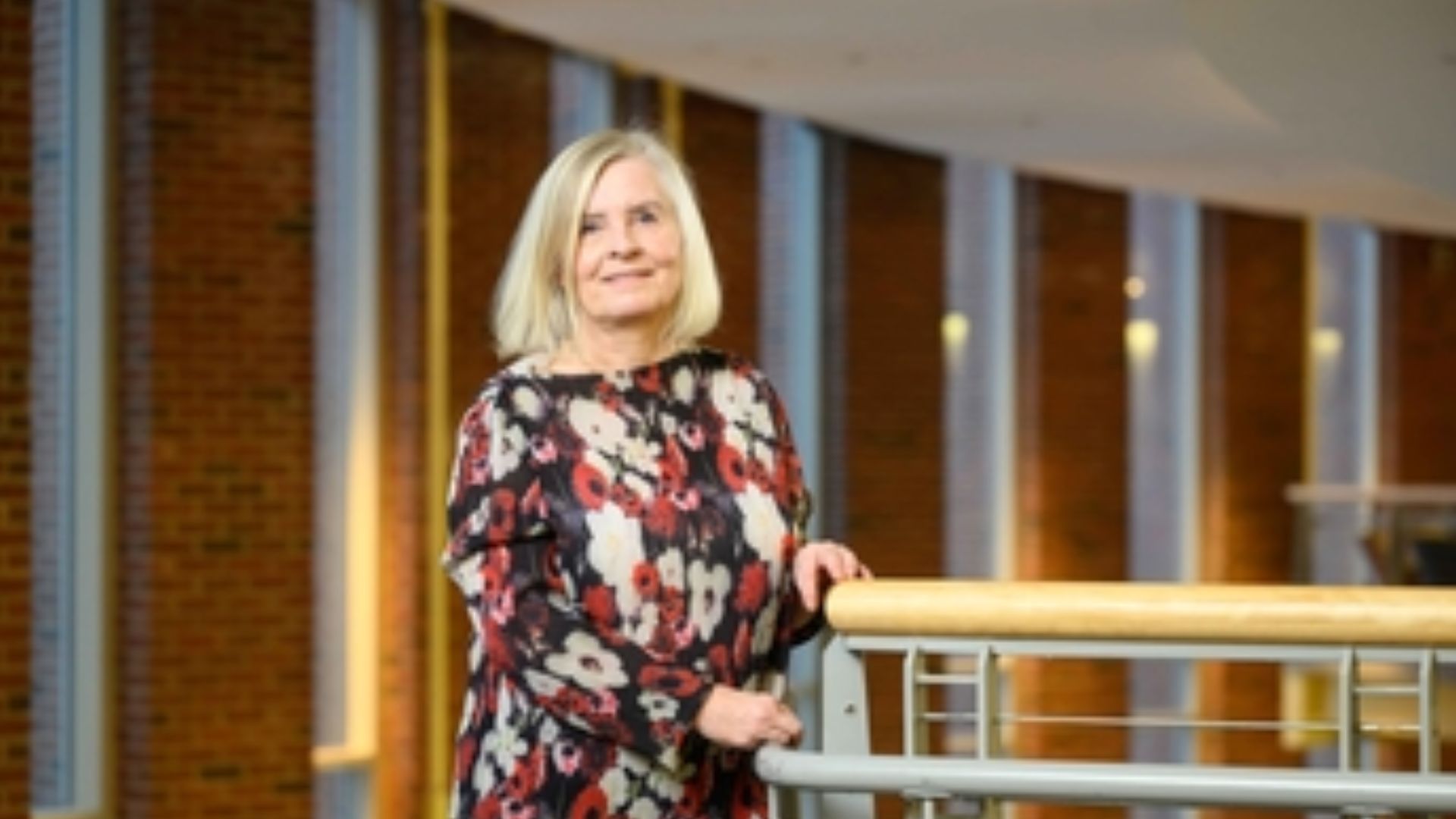
Rochester, New York – University of Rochester Medicine neuroscientist Maiken Nedergaard, MD, DMSc, has been elected to the National Academy of Medicine, earning one of the highest honors in health and medicine for research that changed how scientists understand the sleeping brain.
Nedergaard is being recognized for discovering the glymphatic system, the brain’s waste-clearance mechanism. Her work revealed how sleep supports the removal of waste that builds up during waking hours and opened new directions for research into neurological conditions, including Alzheimer’s disease.
The recognition highlights both the discovery itself and its broader implications for medicine. By identifying a process that helps clear waste from brain tissue, Nedergaard and her colleagues gave researchers another way to investigate what happens when that process becomes impaired.
The National Academy of Medicine cited Nedergaard for “transforming neuroscience and medicine by discovering the glymphatic system, revealing sleep-dependent brain waste clearance. Her work redefined the biological purpose of sleep and established impaired brain clearance as a unifying mechanism in neurodegeneration, stroke, trauma, and chronic neurological disease, opening new therapeutic pathways.”
More than 14 years ago, Nedergaard and her team discovered that cerebrospinal fluid moves through spaces surrounding blood vessels and into brain tissue. This movement helps flush away waste products accumulated while the brain is awake.
The system is primarily active during sleep. That finding established an important connection between sleep and the brain’s maintenance processes, showing that the hours spent asleep involve biological activity essential to brain health.
Her research has since created opportunities to explore how waste clearance may contribute to neurological disease and how that knowledge could eventually inform treatment. Those possibilities remain an area of investigation, rather than a promise that the discovery has already produced therapies for the conditions involved.
Read also: RIT President Bill Sanders to discuss AI plans and answer student questions on WITR
The findings have also influenced Nedergaard’s personal understanding of sleep. In an interview accompanying the announcement, she described how studying the brain’s nighttime activity changed her view of something most people experience mainly through how rested they feel the next morning.
“My research has completely changed how I view sleep. Like most people, I appreciate waking up after a good night’s sleep. But I also understand that sleep is an active biological state, not simply a period of rest.”
For Nedergaard, knowing that blood vessels and cerebrospinal fluid work together during sleep reinforces the importance of protecting that time. The research gives a biological explanation for why sleep matters beyond the immediate benefits of feeling refreshed and alert.
Some of the most striking findings came from observations of sleeping mice. She was surprised by the amount of fluid moving through their brains and by how quickly that activity changed when the animals woke up.
Equally notable was the consistency of the process from one mouse to another. Research involving disease models often produces considerable variation, she explained, but the changes associated with sleep were unusually predictable. That consistency underscored how fundamental the process appeared to be.
Despite her focus on sleep, Nedergaard does not describe an elaborate personal bedtime routine. Instead, she often finishes outstanding work before turning in, whether that means answering emails, arranging meetings or editing a manuscript.
Completing those tasks helps her relax by reducing the feeling that unfinished responsibilities are hanging over her. She also tries to keep a reasonably regular sleep schedule, while acknowledging that she does not always manage it perfectly.
In her view, consistency is probably more valuable than a complicated routine. The brain responds to predictable patterns involving light, activity, meals and sleep, making regular timing an important part of how she approaches her own nights.
Read also: Poughkeepsie woman charged after police investigate missing customer payments in East Fishkill
Travel presents a different challenge because the brain’s internal clock cannot immediately adapt to a new time zone. Nedergaard said she has no perfect answer to jet lag, but she makes choices intended to help her adjust.
She tries to avoid flights requiring a very early start and often chooses an overnight flight when traveling to Europe. Seeing Rochester’s airport crowded before 6 a.m. has prompted her to wonder how much sleep passengers have given up before their journeys even begin.
After arriving, she attempts to remain awake until a normal local bedtime, even when tired, and follows that schedule over the next several days. She explained that sleeping in the middle of the day can offer temporary relief while also delaying the internal clock’s adjustment and prolonging jet lag.
Her central message is to treat sleep with the same seriousness as other daily habits associated with health.
“Protect sufficient, regular sleep as seriously as you protect your nutrition and physical activity. Sleep deserves to be a priority, not something we sacrifice whenever life gets busy.”
Nedergaard also pointed to research suggesting an association between sleep disturbances and an increased risk of dementia. She emphasized that scientists are still working to understand that relationship, preserving an important distinction between an observed association and a fully understood


-

 Local News2 years ago
Monroe County announces legal proceedings against properties listed in official public notice of foreclosure
-

 Local News2 years ago
New ALDI store close to Rochester to begin construction in late 2025 or early 2026
-

 Local News1 year ago
County Executive Adam Bello and members of the county legislature celebrate exceptional young leaders and advocates at the 2025 Monroe County Youth Awards
-

 Local News1 year ago
The 2025 Public Market Food Truck Rodeo series will begin this Wednesday with live music by the Royal Bromleys