State
Governor Hochul, Mayor Mamdani and MTA launch plan to cool sweltering subway platforms and harness excess heat in Lower Manhattan

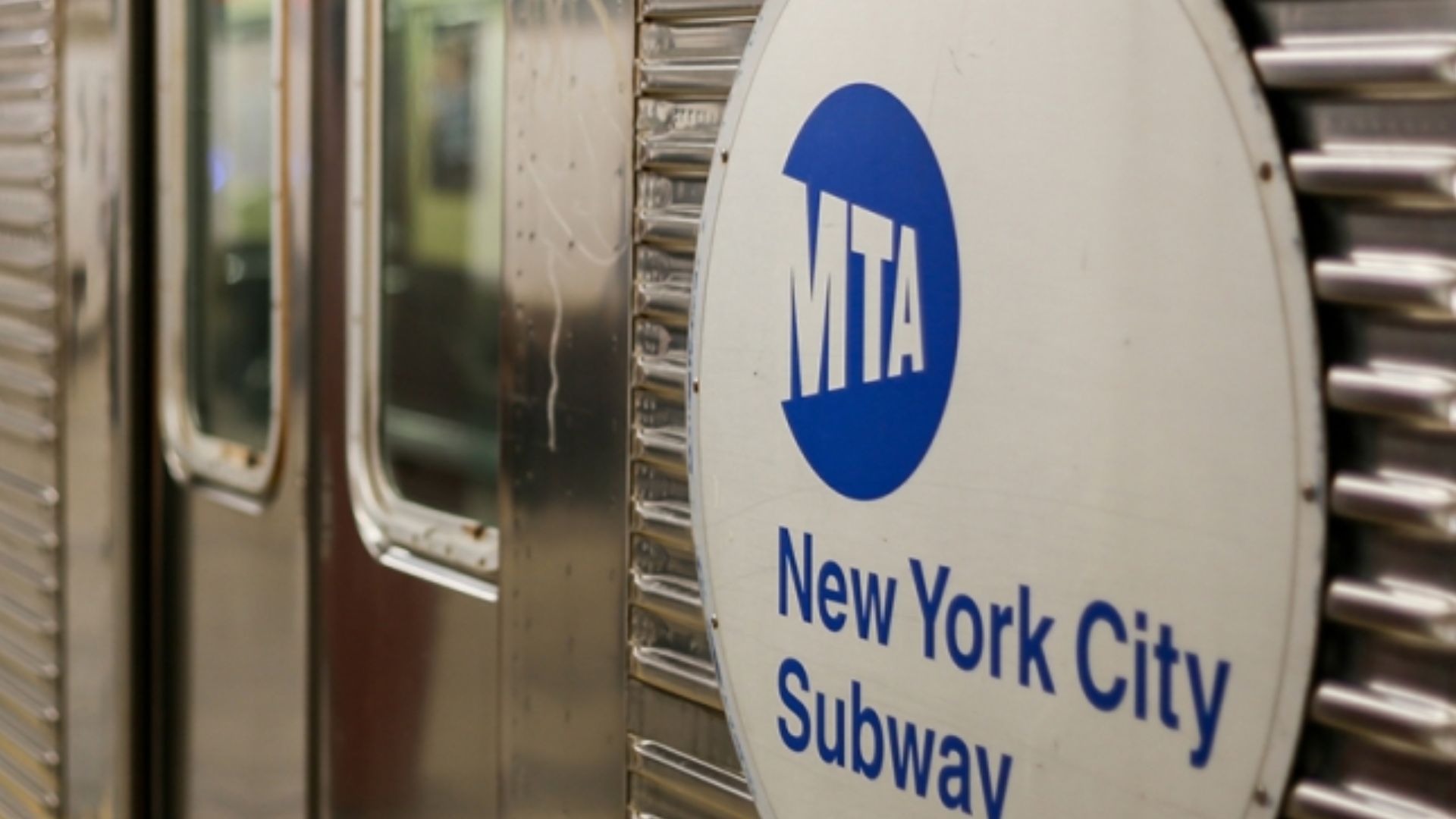
New York – New York officials are moving ahead with a plan that could change how some of the city’s hottest subway stations are cooled while also turning unwanted underground heat into a source of energy for nearby public buildings.
Governor Kathy Hochul, New York City Mayor Zohran Mamdani and the Metropolitan Transportation Authority announced a partnership to study a Thermal Energy Network, or TEN, at the Brooklyn Bridge-City Hall 4/5/6 and Chambers Street J/Z station complex in Lower Manhattan. The study will examine whether heat building up inside the subway can be removed from platforms, stored underground and later used to heat municipal buildings during the colder months.
If the project moves forward, it would become the first thermal energy network installed in a U.S. transit system. Officials say the idea could address two problems at once: the uncomfortable and sometimes dangerous heat experienced by subway riders during the summer and the energy needed to heat nearby public buildings in winter.
The announcement comes shortly after Hochul and the MTA revealed plans for a major renovation of the Chambers Street station, one of the oldest stations in New York City. That project creates an opportunity to examine whether new climate technology can be incorporated into a major subway rehabilitation rather than treated as a separate project later.
“For years, New Yorkers have suffered through sweltering summer heat on subway platforms, with seemingly no hope for a cooler ride in sight. Today, I can assure riders during this hot summer week that help is on the way,” Governor Hochul said. “Working with Mayor Mamdani and the MTA, we are harnessing cutting-edge climate technology for a truly cool purpose: making our subway stations tolerable during the summer and heating critical city buildings during the winter. This is what effective partnership between city and state government can yield – innovative solutions that have the potential to help millions of subway riders.”
The need is particularly clear at Brooklyn Bridge-City Hall, where summer temperatures can climb far above what riders would expect from an underground station. The MTA said average temperatures at the 4/5/6 station reached 96 degrees Fahrenheit during the summer months of 2025.
For people waiting for trains, those conditions can make a short delay feel much longer. Heat can also create operational problems. The MTA has said its immediate priority is maintaining reliable service and getting riders onto air-conditioned trains as quickly as possible, but officials are also looking at longer-term ways to reduce the heat on platforms themselves.
The new feasibility study is intended to determine whether a thermal energy system could make a meaningful difference.
The basic concept is relatively straightforward, although putting it into an aging subway system would be a major engineering task. Heat that normally accumulates in the stations would be absorbed through radiant cooling equipment. Instead of simply removing that heat and sending it away, the system would capture it and move it through pipes to geothermal boreholes beneath the Chambers Street station.
The heat could then be stored underground. During winter, the stored energy could be redirected to nearby municipal buildings and used for heating.
That would give the subway complex a second role in the city’s energy system. Rather than treating excess underground heat solely as a problem, the project would investigate whether it could become a useful resource.
New York City officials say Thermal Energy Networks are already being used at places such as hospitals and universities. Such systems can transfer heat between buildings and reduce dependence on fossil fuels.
The proposed Lower Manhattan network would use geothermal infrastructure to absorb, store and transport heat. The feasibility study will determine whether the approach is practical at the station complex, how much cooling could be provided and how much money the city might save on energy costs.
New York City Mayor Zohran Kwame Mamdani said the project could address a problem that subway riders experience every summer.
“There are few feelings worse than escaping the extreme summer heat only to find yourself on a subway platform that is even hotter. Unfortunately, for millions of commuters that is the reality of our transit system — with some stations soaring up to 20 degrees hotter than the outside temperatures. We now have an opportunity to do more than rebuild Chambers Street top to bottom. We can make our subway platforms cooler and more comfortable while putting wasted heat to work during the winter. That means lower energy costs, a more resilient subway system and a cleaner energy future for New York City.”
The Chambers Street station is especially useful as a testing location because of a feature that most passengers never see as part of the station’s potential future.
An abandoned center platform provides space where the MTA could test geothermal and cooling equipment without having to place the technology in an area occupied by passengers. That could make it easier to experiment with the system while avoiding major disruptions to people using the station.
The station is also already scheduled for a substantial reconstruction. The Chambers Street J/Z station is 113 years old and has accumulated significant structural and maintenance needs over time.
The planned renovation will include rebuilding portions of the station, replacing tiles, upgrading stairways and repairing leaks. Ceiling repairs will also address water damage that has contributed to the deterioration of station structures.
The MTA expects to award a contract for the renovation work by the end of 2026. Because that work is already planned, officials see an opportunity to study thermal energy technology at the same location and potentially incorporate lessons from the study into the station’s future design.
The renovation is being funded through congestion pricing revenues included in the MTA’s 2020-2024 Capital Plan.
MTA Chair and CEO Janno Lieber said the age and design of the subway system make cooling its stations particularly difficult.
“Bringing down the temperature is a real challenge in a century-old system with open entrances and vents everywhere. Together with Governor Hochul and Mayor Mamdani, we’re exploring solutions — previously untested in transit — to make stations more comfortable while helping to reduce energy costs. Everybody wins.”
The challenge is not simply a matter of installing conventional air conditioning. Subway stations have open entrances, ventilation openings and other connections to the outside. Trains themselves also generate heat as they move through the system and stop at stations.
At Brooklyn Bridge-City Hall, the terminal operation of the 6 train contributes to the heat problem because trains dwell at the station.
The new project will therefore examine a different approach to cooling. Instead of relying entirely on traditional air conditioning, radiant cooling could be used to pull heat directly from the surrounding environment.
Radiant cooling works by circulating chilled water through panels installed on walls or ceilings or through tubing embedded in floors. The cooler surfaces absorb heat directly. According to the city and MTA, the technology can be 25 to 35 percent more energy efficient than traditional air conditioning.
Read also: Irondequoit police officer hospitalized after being injured during Saturday night domestic incident
If the feasibility study finds that the approach can work in the subway environment, the system could potentially provide cooling while using less energy than conventional methods.
MTA Construction & Development President Jamie Torres-Springer said the age of the subway infrastructure makes new ideas increasingly important as temperatures rise.
“Many subway stations are more than a century old and weren’t designed to handle today’s extreme heat, making creative solutions essential. Exploring a Thermal Energy Network model is a major step forward that has the potential to turn excess heat into a valuable asset for riders and the city.”
The project is also being framed as part of a broader effort to prepare New York’s transportation infrastructure for more extreme weather.
New York City Chief Climate Officer Louise Yeung said subway heat is becoming another visible sign of the changing climate.
“Every time New Yorkers are stuck on a hot subway platform, we are confronted with the reality of the climate crisis. Advancing a thermal energy network that will sustainably cool the Chambers Street subway station and heat the surrounding city buildings is a testament to our administration’s bold and innovative agenda to deliver climate solutions that protect New Yorkers. From advancing the nation’s first subway thermal energy network to piloting heat-resilient bus shelters and outdoor cooling centers, the City is committed to making our transit systems safer and more comfortable as New York City faces rising temperatures.”
The feasibility study will be conducted jointly by the MTA and several city agencies, including the Department of City Administrative Services, the Mayor’s Office of Climate and Environmental Justice and the Office of the Deputy Mayor for Operations.
The contract for the study is expected to be awarded this fall.
If the study confirms that geothermal technology can be used effectively at the station complex, design work is expected to begin in early 2027.
That timeline means the project is still in an early stage. Officials are not yet promising that the full thermal network will be built. The first step is to determine whether the technology can provide enough cooling, whether heat can be stored effectively beneath the station and whether the expected energy savings justify the cost and complexity of construction.
The study will also have to account for the unusual conditions of the subway environment.
The Brooklyn Bridge-City Hall and Chambers Street complex is more than a typical collection of buildings. It is a busy transportation facility that must continue serving passengers while construction and testing take place. Any future thermal system would therefore have to operate without compromising subway service or creating additional problems for riders.
The location nevertheless offers several advantages. The abandoned center platform at Chambers Street provides room for potential geothermal infrastructure, while the planned station renovation gives engineers a chance to consider the technology during a major rebuilding effort.
State lawmakers representing the area welcomed the initiative.
State Senator Liz Krueger said extreme heat on subway platforms has become a serious concern as temperatures continue to rise.
“I am glad to see that the city and state government and the MTA are joining forces to study how to use thermal energy networks to bring down heat levels in our subway system. Every New Yorker knows the feeling when you go to take the train on a hot summer day and find yourself waiting on a stuffy, overheated subway platform. As climate change continues to increase temperatures in our city and across the world, it is more essential than ever that we work together to find solutions which can mitigate overheating and prevent an inconvenience from turning into a potentially life-threatening situation, while generating renewable energy in the process.”
State Senator Brian Kavanagh also pointed to the everyday experience of riders dealing with extreme temperatures underground.
“Every summer, I hear from my constituents about how brutal the heat on subway platforms across my district and the City can be. As we face the growing dangers of climate change and prolonged extreme heat, exploring sustainable solutions to the high temperatures in our transit system is a critical task. I’m thrilled that the MTA is working to turn this harmful summer heat into a resource, joining SUNY campuses across the state and innovators across the world working with thermal energy networks to cut costs, provide effective heating and cooling, and reduce emissions. This study is exactly the kind of practical, climate-smart infrastructure that New York should be leading on, and I thank Mayor Zohran Mamdani, Janno Lieber and Jamie Torres-Springer, Doreen Harris, and everyone at the Mayor’s Office, the MTA and DCAS for their commitment to this important work.”
Assemblymember Grace Lee said Lower Manhattan could become a testing ground for an approach that could eventually be considered elsewhere in the transit system.
“Anyone who has waited for a train at a subway station on a hot day knows how unbearable it can get. As extreme heat becomes more common, we need innovative ways to adapt our century-old transit system. I am proud that Lower Manhattan is leading the way in testing a solution that could make stations more comfortable and our city more climate resilient. Thank you to Mayor Mamdani, MTA Chair Lieber, and our partners at the MTA and City for investing in innovative solutions for New Yorkers.”
New York City Public Advocate Jumaane D. Williams said the project could provide several benefits if the technology proves successful.
“As climate change only continues to increase the frequency and severity of extreme heat waves, this study offers a creative solution for cooling, boosting our energy efficiency, and strengthening our city’s climate resilience. It’s especially exciting that this new technology will be explored at one of the city’s hottest subway stations, bringing relief to riders who need it the most. I thank the MTA, MOCEJ and DCAS for their leadership in addressing one of our most persistent transit challenges to ensure the safety and accessibility of our subway system for all New Yorkers.”
Manhattan Borough President Brad Hoylman-Sigal also connected the thermal energy proposal to the long-awaited improvements planned for Chambers Street.
“Every Manhattanite knows the Chambers J/Z station needs serious work — and I’m elated that Governor Hochul, Mayor Mamdani and the MTA are stepping up and getting to work. The goal of this innovative study will be to capture excess subway heat and store it to heat the buildings above, providing a first-in-the-nation model for cooler, more comfortable subway stations, especially in the humid summer months. I’m grateful to Governor Hochul and Mayor Mamdani for fostering and expanding upon an already-productive City-State partnership, which will deliver a far better ride for millions of New Yorkers.”
The thermal energy project is one piece of a larger climate agenda being pursued by the Mamdani administration and city agencies.
Earlier this year, the administration released its Urban Forest Plan, which sets a goal of reaching 30 percent tree coverage across New York City. City officials say a larger tree canopy can help reduce heat and provide protection for residents as temperatures rise.
The city is also expanding renewable energy projects. The administration is overseeing the construction of 130 solar installations on New York City schools, which together are expected to provide 27.5 megawatts of electricity.
Another 86 solar projects are in the pipeline and would add an additional 17.2 megawatts.
Transportation and municipal fleets are another part of the city’s emissions strategy. The administration has already passed the 1,000-electric-vehicle mark for law enforcement and is working toward fully electrifying the Sanitation Department, Parks Department and DCAS enforcement fleets by 2030.
That target is five years ahead of the schedule required under local law.
The thermal energy network study fits into that broader effort because it focuses not only on reducing energy consumption but also on making use of energy that is currently treated as waste.
In a traditional system, the heat generated by trains, equipment and underground activity becomes something that has to be managed. The proposed network would ask a different question: Can that heat be captured and used somewhere else?
If the answer is yes, Lower Manhattan could provide a model for how transportation infrastructure and city buildings can share energy.
The idea is particularly significant because New York’s subway system is vast and old. Many stations were built long before today’s concerns about prolonged heat waves, energy efficiency and climate resilience became central parts of infrastructure planning.
What works at Chambers Street will not necessarily work everywhere. Station layouts differ, ventilation systems vary and available underground space can be limited. But officials say the project could provide information that helps determine whether similar systems could eventually be considered at other stations.
The immediate concern remains the summer heat faced by riders.
For passengers standing on a platform where temperatures can approach or exceed the mid-90s, long-term climate planning may seem distant compared with the immediate need for relief. The MTA continues to focus on short-term measures such as keeping trains moving reliably and getting riders into air-conditioned cars.
The new study represents the longer-term side of that effort.
Rather than simply trying to cool the air and send the heat somewhere else, officials want to see whether they can capture that heat and put it to use.
That potential connection between subway comfort and municipal energy use is what makes the proposal unusual. A station that is currently known for being unbearably hot could become part of an energy network serving buildings above and around it.
The project will not immediately lower temperatures at the stations, and the feasibility study must still establish whether the proposed technology is technically and financially practical. But officials say the combination of a major station renovation, available underground space and increasing summer heat makes Lower Manhattan a promising place to test the idea.
For New York, the stakes are growing as extreme heat becomes a larger challenge for infrastructure. Subway platforms can become significantly hotter than the streets above, and older stations were not designed with today’s climate conditions in mind.
The Hochul administration, the Mamdani administration and the MTA are now looking at whether technology can provide a solution that goes beyond conventional cooling.
The study will examine the possibility of making subway platforms more comfortable, reducing energy costs, storing excess heat and using that energy later to heat public buildings.
If geothermal feasibility is confirmed, design work could begin in 2027. Until then, engineers and city officials will have to determine how much heat can be captured, how much cooling can be delivered and whether the system can function alongside a busy subway operation.
For riders, the hoped-for result is simple: a cooler platform during the hottest months.
For the city, the potential benefit is broader. Heat currently viewed as a burden could become a usable resource, while a 113-year-old subway station undergoing a major renovation could serve as a testing ground for a new approach to climate-ready infrastructure.
That combination is at the heart of the partnership announced by Hochul, Mamdani and the MTA. The goal is not only to make a difficult subway ride more comfortable, but to explore whether one of New York’s oldest transportation systems can play a role in building a more efficient and resilient energy network for the future.


-
 Local News1 year ago
Monroe County announces legal proceedings against properties listed in official public notice of foreclosure
-

 Local News2 years ago
New ALDI store close to Rochester to begin construction in late 2025 or early 2026
-

 Local News1 year ago
County Executive Adam Bello and members of the county legislature celebrate exceptional young leaders and advocates at the 2025 Monroe County Youth Awards
-

 Local News1 year ago
The 2025 Public Market Food Truck Rodeo series will begin this Wednesday with live music by the Royal Bromleys