State
Attorney General James launches new legal challenge against Trump administration efforts to cut federal youth mental health funding supporting school counselors and student services

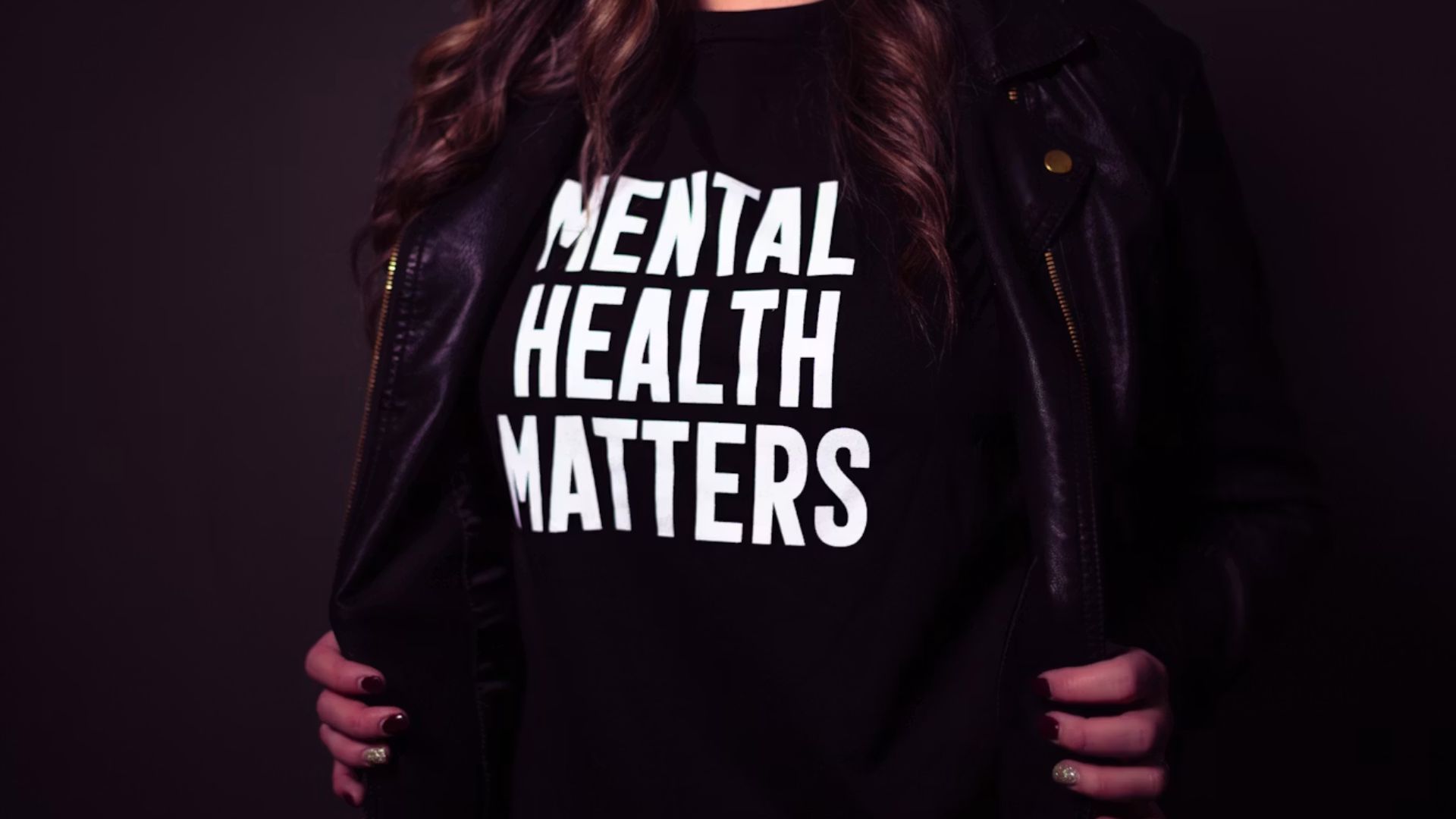
New York – New York Attorney General Letitia James has joined a group of state attorneys general in a new legal battle against the Trump administration over efforts to reduce federal funding for school-based mental health services. The lawsuit argues that the U.S. Department of Education is once again attempting to end grant programs that help schools hire counselors, social workers and psychologists for students in communities across the country.
The coalition of 15 attorneys general, including James, filed the lawsuit against the U.S. Department of Education and Secretary Linda McMahon. They claim the department is trying to avoid an earlier court decision that blocked a similar attempt to remove funding from the programs.
The grants at the center of the dispute were created by Congress with bipartisan support in response to the growing youth mental health crisis and concerns following several deadly school shootings, including the 2018 shooting at Marjory Stoneman Douglas High School in Parkland, Florida, and the 2022 shooting at Robb Elementary School in Uvalde, Texas.
“The first time this administration tried to take mental health services away from children, we beat them in court,” said Attorney General James. “Now they are trying to carry out the same illegal scheme and abandon students who need support. We already stopped them once, and we are prepared to do it again. My office will keep fighting to protect our children’s mental health and ensure schools have the resources to hire counselors, social workers, and psychologists in communities that need them most.”
The legal challenge comes after the Education Department previously attempted to discontinue more than $1 billion in funding for the programs. James and other attorneys general sued over that decision and won a court ruling in December 2025 that permanently blocked the administration from using certain new priorities to eliminate the grants.
According to the coalition, the department is now attempting to achieve the same result by changing its approach. Instead of using the term “discontinue,” officials say the department plans to “terminate” some or all of the protected grants beginning as early as July 31, 2026.
The attorneys general argue that changing the wording does not change the substance of the action. In their filing, they stated, “though the precise mechanism by which the Department plans to end the protected grants may have changed, its illegality has not.”
The programs involved in the lawsuit were created to address a shortage of mental health professionals in schools, especially in areas where students have limited access to services. In 2018, Congress established the Mental Health Service Professional Demonstration Grant Program, known as MHSP, to help high-need public schools bring more mental health workers into classrooms and communities.
In 2020, Congress expanded those efforts through the School-Based Mental Health Services Grant Program, known as SBMH. The program provided financial support for schools to hire, train and retain mental health professionals.
Following the Uvalde school shooting in 2022, Congress significantly increased funding for both programs. More than $100 million annually was allocated to each program through 2026. The goal was to place approximately 14,000 new mental health professionals in schools, with a focus on low-income and rural communities where students often face greater obstacles to receiving care.
Supporters of the programs point to results showing that the investments have already had a measurable impact. During the first year, nearly 775,000 students received mental or behavioral health services through the programs. More than 1,200 school-based mental health professionals were hired, and 95 percent of those workers remained in their positions.
The programs also helped reduce student wait times for mental health care by 80 percent. Schools receiving grants reported improvements in several areas, including a 50 percent reduction in suicide risk at high-need schools, fewer absences and behavioral incidents, and stronger connections between students and school staff.
James and the coalition say eliminating the funding would disrupt services that schools have spent years building. They argue that the Education Department cannot withdraw already approved grants based on new priorities that were not publicly established when the funding decisions were made.
New York could lose at least $19 million in approved funding if the administration’s plan moves forward. More than $7.6 million of that funding is connected to the State University of New York system.
Officials say the cuts could have serious consequences for programs serving thousands of students. SUNY Binghamton, for example, could be forced to remove mental health professionals from schools serving more than 9,000 rural students. The loss of funding could also result in layoffs involving 10 full-time employees, several part-time workers and graduate assistants.
SUNY Buffalo could also face the end of a fellowship program that trains school social workers serving students in Western New York. Officials estimate that the loss of that program could affect mental health support for approximately 3,000 students.
Other schools and institutions throughout New York could also be impacted. The affected communities include parts of the Bronx, Queens, Brooklyn, Long Island, the Hudson Valley, the Finger Lakes, the Mohawk Valley, Central New York and other areas across the state.
The attorneys general argue that the Education Department’s actions violate federal law, including the Administrative Procedure Act and federal grant regulations. They also claim the department is improperly challenging grant requirements that included equity-related statements required by Congress during the application process.
The lawsuit asks the court to issue a preliminary injunction preventing the administration from moving forward with the planned funding cuts. The states are also seeking a permanent order stopping similar actions in the future.
James is joined in the lawsuit by attorneys general from California, Colorado, Connecticut, Delaware, Illinois, Maine, Maryland, Massachusetts, Michigan, New Mexico, Oregon, Rhode Island, Washington and Wisconsin.
The dispute highlights a broader national debate over how schools should address student mental health needs and whether previously approved federal programs can be changed or eliminated by executive agencies. For schools that rely on these grants to maintain counseling and support services, the outcome of the lawsuit could determine whether thousands of students continue receiving access to mental health professionals in the years ahead.


-
 Local News2 years ago
Monroe County announces legal proceedings against properties listed in official public notice of foreclosure
-

 Local News2 years ago
New ALDI store close to Rochester to begin construction in late 2025 or early 2026
-

 Local News1 year ago
County Executive Adam Bello and members of the county legislature celebrate exceptional young leaders and advocates at the 2025 Monroe County Youth Awards
-

 Local News1 year ago
The 2025 Public Market Food Truck Rodeo series will begin this Wednesday with live music by the Royal Bromleys