Local News
City of Rochester moves forward with major zoning code update aimed at guiding future growth and development

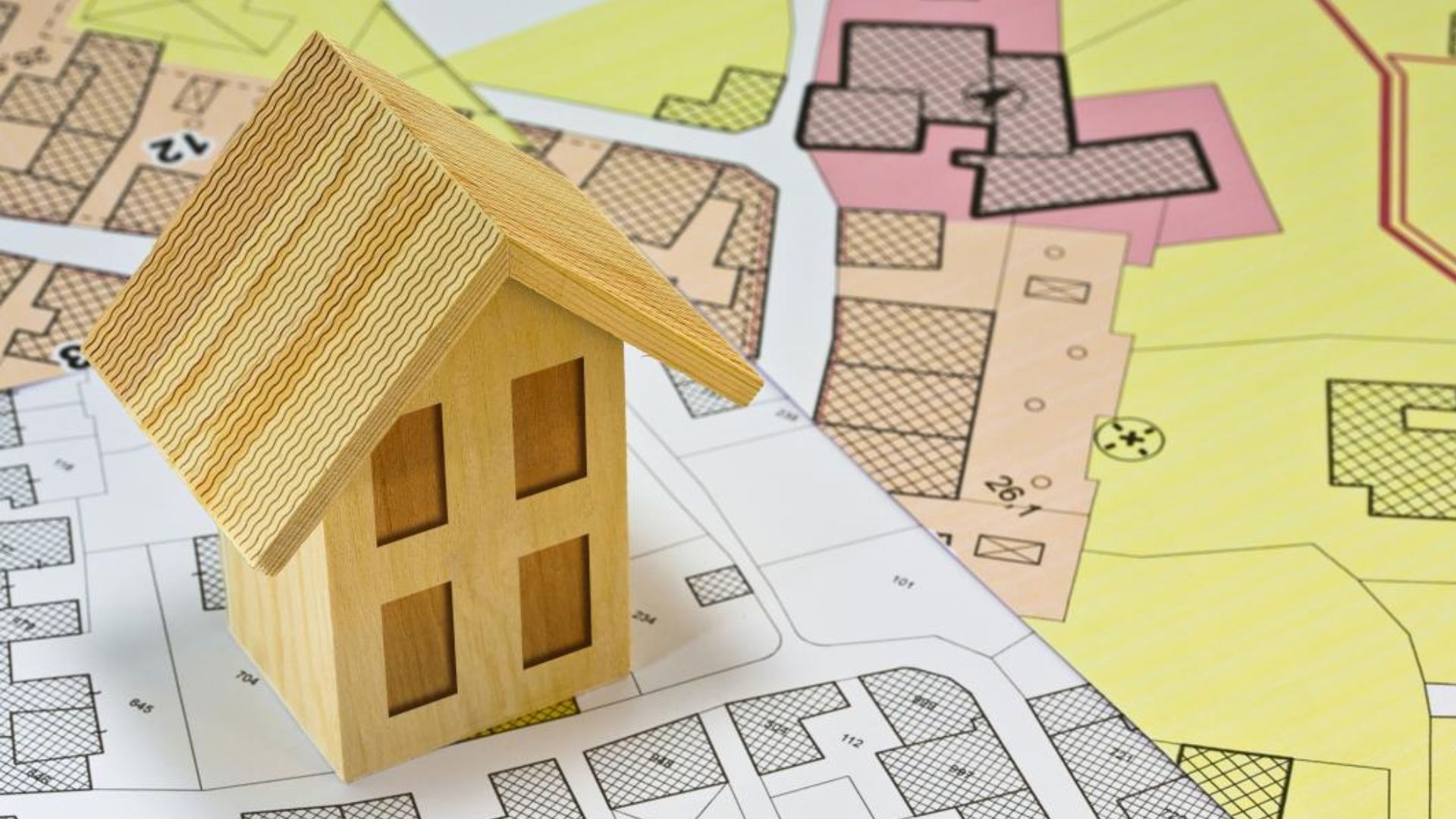
Rochester, New York – The City of Rochester has taken a significant step toward reshaping how land is used and developed, marking a new chapter in a long-running effort to modernize its zoning rules. Officials confirmed the release of the final proposal for an updated Zoning Code and Zoning Map, a move that signals the project is entering a more decisive phase after years of planning and public discussion.
This latest development comes as part of the city’s Zoning Alignment Project, widely known as ZAP, which has been gradually unfolding since 2020. With the proposal now complete, the process shifts toward formal review. The City Planning Commission and the Rochester Environmental Commission are expected to hold public hearings in the coming weeks, giving residents another opportunity to weigh in before the proposal reaches City Council for consideration.
At the heart of the update is an effort to bring the city’s zoning framework into alignment with the Rochester 2034 Comprehensive Plan. That long-term vision, adopted several years ago, laid out a roadmap for growth, sustainability, and equity. The updated zoning rules are designed to turn those ideas into something tangible—guidelines that will shape neighborhoods, businesses, and public spaces for years to come.
City leaders say the changes are not just technical adjustments, but a broader attempt to respond to evolving needs. Among the key goals are expanding housing options to better reflect different lifestyles and income levels, while also creating conditions for stronger economic activity. Mixed-use development, which blends residential and commercial spaces, is expected to play a larger role, helping neighborhood businesses thrive while keeping communities more connected.
There is also a clear focus on making better use of existing spaces. The proposal encourages the reuse of vacant or underutilized properties, aiming to reduce the number of buildings that no longer fit current zoning rules. At the same time, it seeks to better align development patterns with public transit access, an approach intended to improve mobility while reducing environmental impact.
Climate resilience is another thread running through the update. As cities across the country face increasing pressure to adapt to changing environmental conditions, Rochester’s plan includes measures meant to support more sustainable growth. While the details are technical, the goal is straightforward—create a city that can better withstand future challenges while maintaining quality of life.
“At its core, this zoning update is about balance, positioning Rochester to grow in a way that benefits all residents,” said Mayor Malik D. Evans. “Community feedback played a central role in shaping this final proposed Code and Map, and we look forward to continued public input as ZAP moves forward through the process.”
That emphasis on public input has been a defining feature of the project from the beginning. Over the past several years, residents, business owners, and community groups have contributed ideas and concerns on a wide range of topics. Discussions have covered everything from short-term rental platforms like Airbnb and VRBO, to the role of accessory dwelling units, often referred to as ADUs, in expanding housing availability.
Other points of debate have included building heights in mixed-use districts, the importance of community gardens and urban farms, and the ongoing question of how much off-street parking is necessary in a changing city. Even the reuse of non-conforming buildings—structures that do not meet current zoning standards—has been part of the conversation, reflecting the complexity of balancing preservation with progress.
The legal framework guiding all of this is rooted in New York State law, which requires zoning regulations to align with a municipality’s comprehensive plan. For Rochester, that means ensuring the updated code reflects the priorities set out in the Rochester 2034 plan. Those priorities include fostering growth, strengthening connections between land use and transportation, enhancing the character of public spaces, and promoting both social and economic equity.
As the proposal moves forward, city officials stress that the process is not yet complete. Public hearings and further revisions may still shape the final outcome before it reaches City Council. For now, though, the release of the proposal represents a milestone—one that brings Rochester closer to redefining how its neighborhoods evolve in the years ahead.
Residents interested in reviewing the full proposal, along with the broader Rochester 2034 plan, can access the materials online. The city has indicated that updates, including hearing dates and next steps, will continue to be shared as the process unfolds, ensuring the public remains part of the conversation.


-
 Local News2 years ago
Monroe County announces legal proceedings against properties listed in official public notice of foreclosure
-

 Local News2 years ago
New ALDI store close to Rochester to begin construction in late 2025 or early 2026
-

 Local News2 years ago
County Executive Adam Bello and members of the county legislature celebrate exceptional young leaders and advocates at the 2025 Monroe County Youth Awards
-

 Local News1 year ago
The 2025 Public Market Food Truck Rodeo series will begin this Wednesday with live music by the Royal Bromleys