Local News
Gillibrand and Clyburn reintroduce legislation aimed at protecting voting rights and expanding voter access across the United States

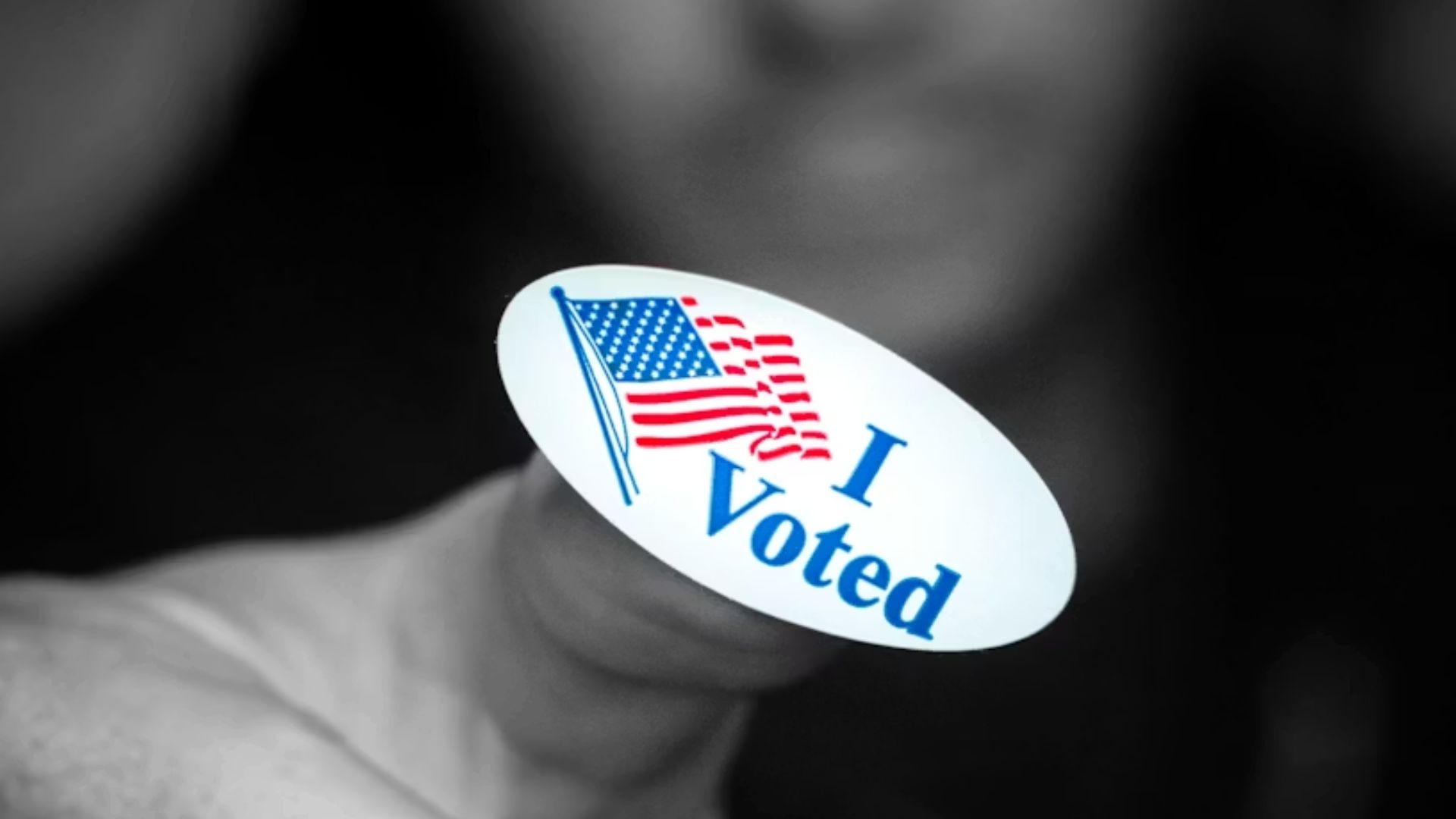
New York – A renewed effort to expand voter access and update the nation’s voter registration system is underway in Washington as lawmakers reintroduce legislation aimed at strengthening participation in American elections.
U.S. Senator Kirsten Gillibrand of New York and U.S. Representative Jim Clyburn of South Carolina announced the reintroduction of the Voter Empowerment Act, a bill designed to modernize the way Americans register and cast their votes. The proposal comes as part of a broader debate about voting rights, election laws, and access to the ballot box across the country.
The legislation would require states to adopt several changes intended to make voter registration easier and more accessible. Among its provisions are requirements for online voter registration systems, automatic voter registration for eligible citizens interacting with government agencies, and the option for voters to register on the same day they cast a ballot. The bill would also allow individuals under the age of 18 to submit voter registration applications ahead of becoming eligible to vote.
Supporters of the measure say the goal is to ensure that the voting process keeps pace with modern technology and population changes while protecting access to elections.
“As Republicans across the country seek to pass voter suppression laws that will disenfranchise millions of voters, we must do more to make sure that voting is fair and accessible for all Americans,” said Senator Gillibrand. “The Voter Empowerment Act is commonsense legislation to modernize voter registration and protect our elections from interference. I am proud to introduce it alongside my good friend Rep. Clyburn, and I am determined to get it passed.”
Gillibrand and Clyburn argue that recent developments across multiple states have made it more difficult for certain voters to participate in elections. Over the past several years, numerous states have adopted new rules related to voting procedures, including restrictions on absentee ballots and stricter voter identification requirements.
Much of the current debate surrounding voting laws can be traced back to the landmark Shelby County v. Holder decision issued by the U.S. Supreme Court in 2013. That ruling struck down key preclearance provisions of the Voting Rights Act of 1965, which had previously required certain states to obtain federal approval before changing voting laws.
With that oversight removed, many states moved forward with changes to election regulations. According to supporters of the Voter Empowerment Act, at least 31 states enacted more than 100 new restrictive voting laws in the years following the decision.
Lawmakers backing the bill say the proposed reforms would counter those trends by strengthening federal protections around voter registration and access to the ballot.
The renewed push also comes amid debate in Congress over another proposal known as the SAVE America Act, supported by former president Donald Trump and some Republican lawmakers.
“The right to vote is the bedrock of our democracy. While it should be a sacred and affirmed right for every eligible American, unfettered access to the ballot box continues to be under attack across the country, including with the dangerous SAVE America Act that Trump and MAGA Republicans are trying to ram through Congress,” said Congressman Clyburn. “Our democracy is only as strong as our ability to protect it. With President Trump openly boasting that the goal of the SAVE America Act is to guarantee election results regardless of the will of the voters, I urge my colleagues to join me in safeguarding the integrity of our elections.”
Beyond registration reforms, the Voter Empowerment Act proposes a wide range of changes designed to improve how elections operate across the country.
One key section focuses on simplifying voter registration. Under the proposal, states would be required to provide both same-day and online registration options. Voters would also be able to update personal details electronically rather than relying on paper forms. Automatic registration would be implemented when eligible citizens interact with certain federal or state agencies, reducing the need for separate registration processes.
Another section of the bill targets practices that supporters say interfere with voter registration. The legislation would prohibit individuals or groups from blocking or discouraging others from registering to vote. It would also outlaw voter caging, a controversial practice in which voters are removed from registration lists if mailed notices sent to them are returned as undeliverable.
The bill also includes provisions focused on accessibility. Lawmakers say polling locations, voter registration procedures, and absentee voting systems should be improved to better serve individuals with disabilities. Those improvements could include updated technology, better physical access at polling sites, and clearer information for voters navigating the election process.
Expanding access to early voting and absentee voting is another component of the legislation. The proposal would establish minimum standards for early voting opportunities nationwide and prevent states from introducing additional conditions that could make absentee voting more difficult.
In addition, the bill would require election officials to notify voters if their assigned polling place changes before an election. Lawmakers say such notifications would reduce confusion and help ensure eligible voters are not turned away on Election Day due to outdated information.
The measure also addresses voting rights for individuals with criminal convictions. Under the proposal, citizens who have completed their felony sentences would have their voting rights protected, ensuring they can participate in elections once they are no longer actively serving a sentence.
Identification requirements are another area the bill attempts to address. The legislation would allow a sworn written statement or a student identification card to meet certain state voter ID rules, providing additional flexibility for voters who may not possess traditional forms of identification.
Another major element of the proposal involves the future of the Election Assistance Commission, an independent federal agency that helps support election administration across the United States. The bill would permanently reauthorize the commission and direct it to provide grants to states aimed at improving election infrastructure.
Those funds could be used for a variety of purposes, including training poll workers, improving election security, and developing programs that support voter participation.
While the legislation has strong backing from many Democrats, its path forward in Congress remains uncertain. Voting laws continue to be one of the most contentious issues in American politics, with sharply divided opinions about the balance between election security and voter accessibility.
Supporters argue the Voter Empowerment Act represents a necessary step toward ensuring fair participation in elections. Critics, however, have raised concerns about federal involvement in state election systems.
For Gillibrand and Clyburn, the push to pass the bill reflects what they view as a fundamental responsibility of lawmakers to protect democratic participation.
Whether the legislation advances through Congress or stalls amid political debate, the conversation surrounding voting rights is likely to remain at the center of national politics as future elections approach.


-

 Local News1 year ago
New ALDI store close to Rochester to begin construction in late 2025 or early 2026
-

 Local News11 months ago
County Executive Adam Bello and members of the county legislature celebrate exceptional young leaders and advocates at the 2025 Monroe County Youth Awards
-

 Local News1 year ago
Rochester Lilac Festival announces exciting 127th edition headliners
-

 Local News11 months ago
The 2025 Public Market Food Truck Rodeo series will begin this Wednesday with live music by the Royal Bromleys