Local News
Experts provide guidance on keeping cancer patients safe and healthy during cold winter weather

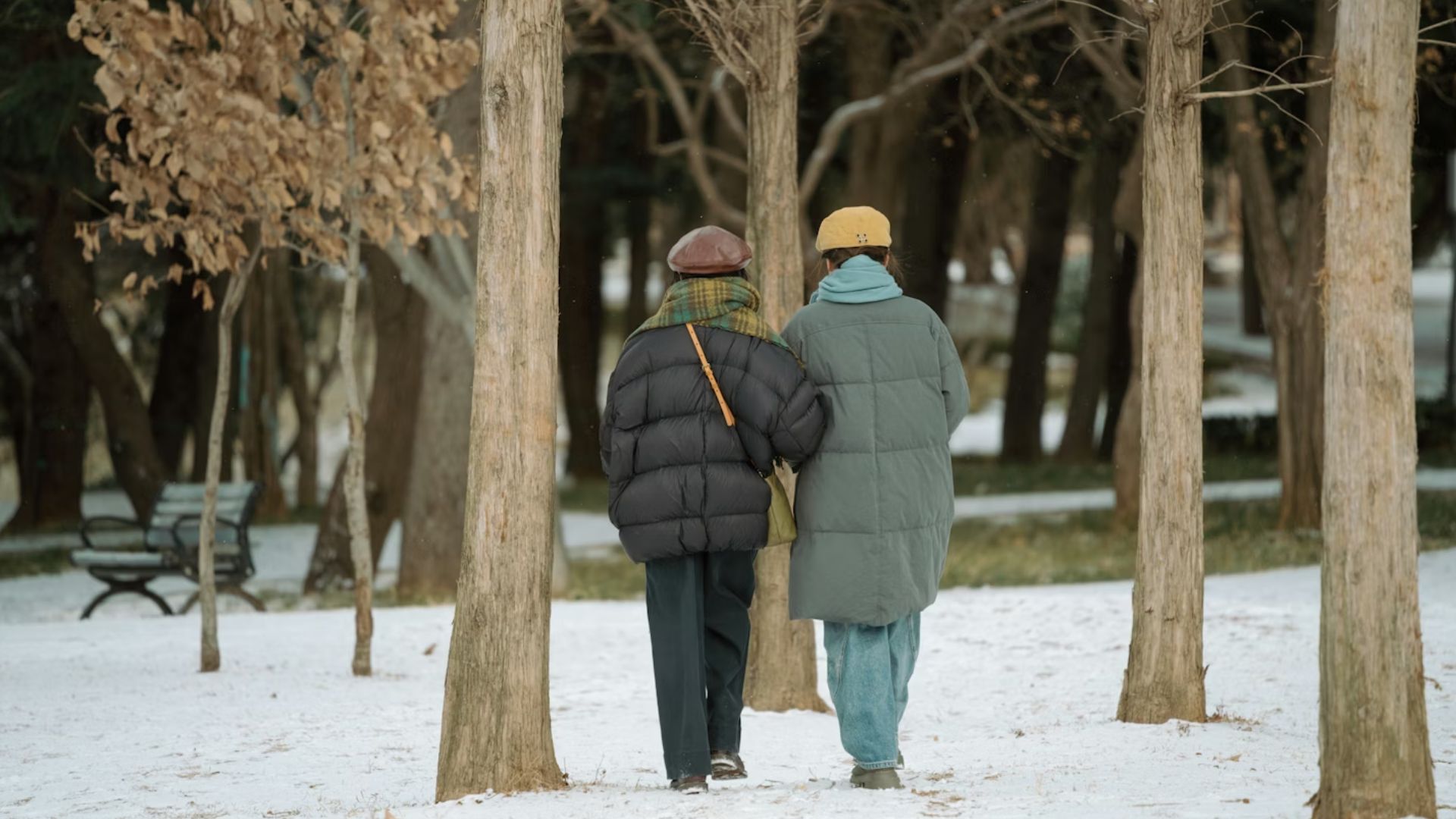
Rochester, New York – Cold winter months can bring a range of challenges for anyone, but for individuals undergoing cancer treatment, the risks associated with low temperatures are more serious and complex. Patients receiving chemotherapy or other therapies may face increased sensitivity to cold, reduced awareness of temperature, and a higher risk of injury, making careful preparation essential for both patients and caregivers.
Cassie Adams, RN, a nurse at the Wilmot Cancer Institute, emphasizes that understanding these unique risks can help protect cancer patients during the winter season. “Winter can be more than just uncomfortable for those in treatment,” Adams explains. “It’s a time when extra precautions can make a real difference in safety and overall well-being.”
One of the primary concerns for cancer patients in cold weather is hypothermia. Side effects of treatment, such as fatigue, anemia, and dehydration, can leave patients more vulnerable to losing body heat. Hypothermia occurs when the body loses heat faster than it can generate it, leading to dangerously low body temperatures. Certain chemotherapy medications, including oxaliplatin, can increase cold sensitivity and even trigger breathing difficulties, heightening the risk.
On the other end of the spectrum, some treatments can reduce a patient’s ability to sense cold through a condition called peripheral neuropathy. This side effect affects the hands and feet and can make it difficult to detect temperature changes, putting patients at risk for frostbite. Frostbite occurs when the skin and underlying tissues freeze, potentially causing long-term damage if not recognized and treated promptly.
Beyond temperature-related risks, winter conditions also increase the likelihood of falls, particularly for patients experiencing neuropathy. The loss of sensation and balance makes walking on ice or snow hazardous. Patients with thrombocytopenia—a condition characterized by a low platelet count—face added danger, as even minor injuries can lead to severe bruising or internal bleeding. This is particularly true for individuals with blood cancers such as leukemia or lymphoma.
Adams stresses that careful planning and practical safety measures can significantly reduce risk. Patients and caregivers are encouraged to dress warmly in layers, including a scarf to cover the nose and mouth and a hat that protects the ears. Gloves or mittens are essential for keeping fingers safe, especially for those experiencing cold sensitivity from chemotherapy. Footwear with good traction helps maintain stability on icy surfaces, and clearing walkways of snow and ice is vital to prevent falls.
For those who must navigate snowy or icy areas, adopting a careful walking technique can help. Walking like a penguin—taking flat-footed, short steps, keeping arms at your sides rather than in pockets, and shuffling slightly—can provide better balance and reduce the risk of slips. Asking for assistance with tasks like shoveling snow or running errands is another practical strategy that can minimize exposure to hazardous conditions.
Winter safety extends beyond just clothing and walking techniques. Being mindful of symptoms such as numbness, tingling, or unusual skin color in fingers and toes can help caregivers and patients recognize frostbite early. Similarly, monitoring for signs of hypothermia—including shivering, confusion, and slow heart rate—is crucial for prompt intervention.
By combining careful planning, proper attire, and awareness of treatment-related vulnerabilities, cancer patients can reduce their risk of cold-related complications and maintain a higher level of comfort during the winter months. As Adams notes, “A little preparation goes a long way. Protecting yourself from the cold isn’t just about comfort—it’s about safety, health, and ensuring patients can continue their treatment without additional setbacks.”
Ultimately, winter presents unique challenges for cancer patients, but with guidance from healthcare professionals, supportive caregivers, and practical precautions, it is possible to navigate the season safely. Dressing appropriately, staying aware of personal limitations, and accepting help when needed are all key strategies for maintaining health and well-being during the colder months.
This approach ensures that patients undergoing cancer treatment can focus on recovery and quality of life rather than battling the hazards of winter weather. By taking the right steps, families and caregivers can provide the support needed to make the season safe, manageable, and even enjoyable.


-

 Local News1 year ago
New ALDI store close to Rochester to begin construction in late 2025 or early 2026
-

 Local News11 months ago
County Executive Adam Bello and members of the county legislature celebrate exceptional young leaders and advocates at the 2025 Monroe County Youth Awards
-

 Local News1 year ago
Rochester Lilac Festival announces exciting 127th edition headliners
-

 Local News11 months ago
The 2025 Public Market Food Truck Rodeo series will begin this Wednesday with live music by the Royal Bromleys