Local News
Attorney General Letitia James secures more than $17 million from drug manufacturers Bausch and Lannett after multistate investigation into price inflation scheme

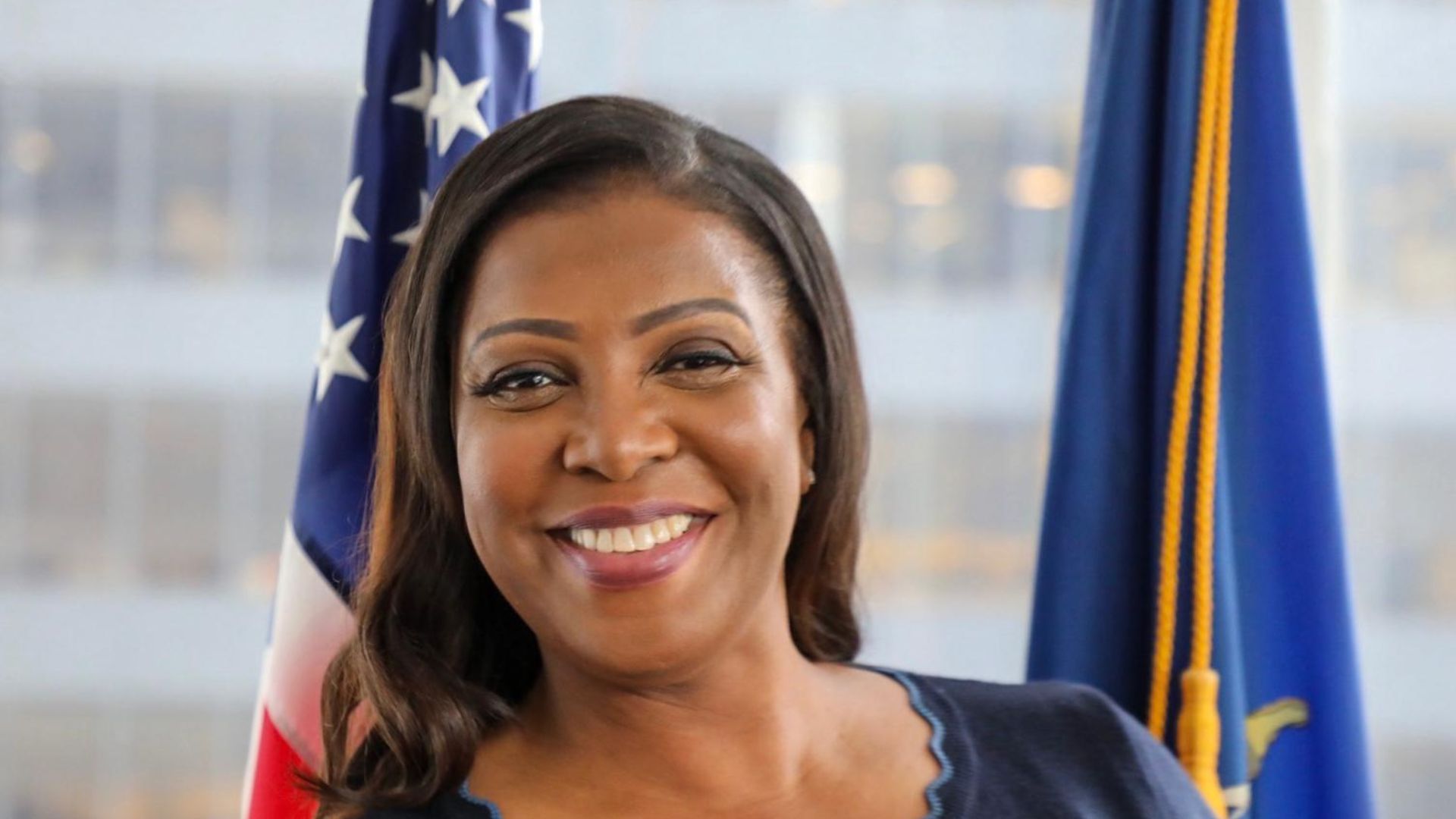
New York – New York Attorney General Letitia James has secured more than $17 million in new settlements from two major pharmaceutical manufacturers accused of participating in a widespread conspiracy to inflate the prices of generic drugs, state officials announced this week. The agreements mark another significant development in a sweeping, multiyear legal effort aimed at holding drug companies accountable for conduct that allegedly forced consumers to pay dramatically higher prices for essential medications.
Attorney General James joined a bipartisan coalition of 47 other attorneys general in reaching settlements totaling $17.85 million with Bausch and Lannett, two companies accused of taking part in a long-running scheme to fix prices and limit competition in the generic drug market. According to state officials, the broader investigation has revealed coordinated behavior among dozens of manufacturers that led to price increases of up to 1,000 percent on some widely used medications.
“Access to affordable prescription drugs is a necessity for millions of New Yorkers,” said Attorney General James. “After dozens of drug companies colluded behind the scenes to raise costs for consumers, my office is taking action to hold them accountable and get consumers their money back. I urge any New Yorker who may have been cheated by this scheme to submit their information to claim the restitution they are owed.”
The settlements are part of ongoing multistate litigation targeting what attorneys general describe as a massive and systemic effort to undermine competition in the generic drug industry. Generic medications, often relied upon as lower-cost alternatives to brand-name drugs, are used to treat a wide range of conditions, including diabetes, cancer, ADHD, heart disease, infections, and mental health disorders. State officials say the alleged conspiracy directly affected millions of patients who depend on these drugs to manage chronic and life-threatening illnesses.
Under the terms of the agreements, Lannett will pay $13.77 million, while Bausch will contribute $4.08 million. The settlement funds will be distributed to consumers across the participating states who were harmed by the inflated prices. In addition to financial penalties, both companies have agreed to implement internal reforms designed to prevent future antitrust violations. These reforms include establishing formal Antitrust Compliance Programs and providing annual training for sales and management staff to reinforce fair competition practices.
Attorney General James is encouraging New Yorkers who may have paid higher prices for certain generic drugs to come forward. Individuals who purchased eligible medications between May 2009 and December 2019 may qualify for compensation once the claims process begins. Consumers can check their eligibility by calling 1-866-290-0182, emailing [email protected], or visiting www.AGGenericDrugs.com.
The cases against Bausch and Lannett stem from three major lawsuits filed by the Office of the Attorney General and its coalition partners against many of the nation’s largest generic drug manufacturers. The first complaint, filed several years ago, named 18 corporate defendants, two individual defendants, and focused on 15 generic drugs. Two former executives from Heritage Pharmaceuticals, Jeffery Glazer and Jason Malek, later entered into settlement agreements and began cooperating with investigators.
A second complaint, filed in 2019, expanded the scope of the litigation significantly. That lawsuit targeted Teva Pharmaceuticals along with 19 other major generic drug manufacturers and named 16 senior executives as individual defendants. A third complaint, which is scheduled to be tried first, centers on 80 topical generic drugs that collectively account for billions of dollars in sales nationwide. That case names 26 corporate defendants and 10 individual executives.
According to investigators, six additional pharmaceutical executives have since entered into settlement agreements and are cooperating with the coalition, providing evidence to support the states’ claims across all three lawsuits. Officials say this cooperation has helped expose the inner workings of what they describe as a deeply embedded culture of collusion within parts of the industry.
The lawsuits allege that participating companies engaged in a coordinated and systematic conspiracy to fix prices, suppress competition, and rig bids for more than 100 different generic drugs. Prosecutors say executives from competing firms maintained an interconnected network, regularly meeting during industry dinners, lunches, cocktail parties, golf outings, and even social gatherings described as “girls’ nights out.” These interactions were allegedly reinforced through frequent phone calls, emails, and text messages that formed the backbone of the illegal agreements.
Investigators say the language used by executives revealed the nature of the scheme. Terms such as “fair share,” “playing nice in the sandbox,” and “responsible competitor” were allegedly used as coded ways to discourage competition, coordinate price increases, and enforce compliance among participants. According to the lawsuits, companies that broke from the agreed-upon pricing were pressured or punished to maintain the arrangement.
The scope of the affected drugs was extensive. The alleged conspiracy covered medications in many forms, including tablets, capsules, creams, and ointments. The drugs spanned numerous therapeutic classes, from antibiotics and antidepressants to contraceptives and non-steroidal anti-inflammatory drugs. Patients relying on treatments for conditions such as epilepsy, multiple sclerosis, HIV, ADHD, and cancer were among those impacted.
In some cases, the price increases were staggering. State officials cited the example of Digoxin, a critical heart medication manufactured by Heritage Pharmaceuticals, which reportedly tripled in price. As a result, patients were forced to pay hundreds of dollars more for a drug that had long been considered affordable.
The settlements with Bausch and Lannett are the latest in a series of enforcement actions led by Attorney General James and the multistate coalition. In November 2024, the coalition secured $49.1 million from Apotex and Heritage Pharmaceuticals. As part of that earlier agreement, both companies also committed to cooperating in the ongoing lawsuits against 30 corporate defendants and 25 individual executives, while implementing similar compliance reforms.
A broad coalition of states and territories participated in the latest settlements, including attorneys general from Alaska, Arizona, California, Colorado, Connecticut, Delaware, Florida, Georgia, Idaho, Illinois, Indiana, Iowa, Kansas, Kentucky, Maine, Maryland, Massachusetts, Michigan, Minnesota, Mississippi, Montana, Nebraska, Nevada, New Hampshire, New Jersey, New Mexico, North Carolina, North Dakota, Ohio, Oklahoma, Oregon, Pennsylvania, Rhode Island, South Carolina, South Dakota, Tennessee, Utah, Vermont, Virginia, Washington, West Virginia, Wisconsin, Wyoming, the District of Columbia, Northern Mariana Islands, Puerto Rico, and the U.S. Virgin Islands.
New York’s investigation has been led by Assistant Attorneys General Bob Hubbard, Saami Zain, Izzy Pitt, and Ben Cole, along with Legal Assistant Arlene Leventhal. The team worked under the supervision of Deputy Bureau Chief Amy McFarlane and Bureau Chief Elinor Hoffmann of the Antitrust Bureau, which operates within the Division for Economic Justice overseen by Chief Deputy Attorney General Christopher D’Angelo and First Deputy Attorney General Jennifer Levy.
Attorney General James said the work is far from over, emphasizing that the settlements represent continued progress toward restoring fairness in the generic drug market. For consumers who have struggled with rising prescription costs, officials say the agreements are a step toward accountability and relief in a system that many depend on for their health and well-being.


-
 Local News1 year ago
Monroe County announces legal proceedings against properties listed in official public notice of foreclosure
-

 Local News2 years ago
New ALDI store close to Rochester to begin construction in late 2025 or early 2026
-

 Local News1 year ago
County Executive Adam Bello and members of the county legislature celebrate exceptional young leaders and advocates at the 2025 Monroe County Youth Awards
-

 Local News1 year ago
The 2025 Public Market Food Truck Rodeo series will begin this Wednesday with live music by the Royal Bromleys