State
Governor Hochul and MTA celebrate New York City subway reaching one billion riders in 2026 as passenger numbers continue to rise

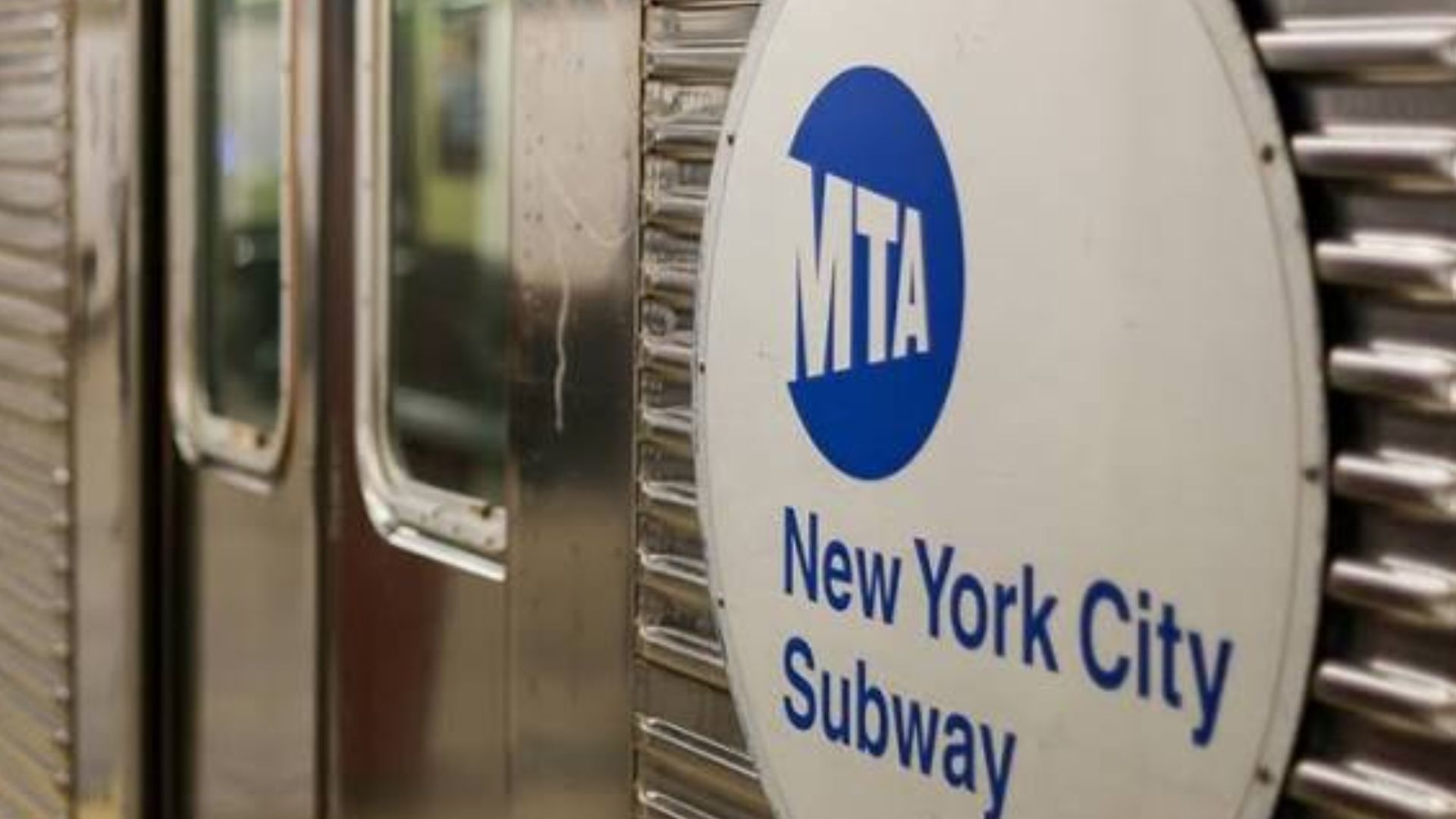
New York – New York City’s subway system has reached another major milestone, recording its one billionth rider of 2026 as passenger numbers continue to increase across the Metropolitan Transportation Authority (MTA) network.
Governor Kathy Hochul and MTA officials celebrated the achievement after Dr. Lynval Clayton-Rowe entered the subway system at the Jackson Heights-Roosevelt Avenue station complex at 10:24 a.m.
Clayton-Rowe, a professor of healthcare management and administration at the Mandl School, The College of Allied Health, was recognized as the billionth passenger and received a $100 OMNY gift card.
The milestone comes earlier than in previous years, reflecting the continued recovery of subway ridership and growing demand for public transportation throughout New York City.
“A billion riders are a billion pieces of evidence that the subway is New York’s lifeblood, and when the subway is thriving, New York is thriving,” Governor Hochul said. “When I became Governor, I committed to improving safety and reliability in the subway and since, we’ve seen riders return in growing numbers every year. Reaching a billion riders a week earlier than last year is the latest sign of our transit resurgence in New York.”
For Clayton-Rowe, the recognition came as a complete surprise during what he expected to be an ordinary commute to work.
“This is such a surprise. I was just doing my own thing on my way to work. I commute through the Jackson Hts-Roosevelt Av station at least four days a week, and it is a pleasure and an honor to be the one billionth rider. Am I dreaming or what?” he said.
The Jackson Heights-Roosevelt Avenue station complex serves several subway lines, including the E, F, M, R and 7, connecting passengers to destinations across the city.
New York City Transit President Demetrius Crichlow said the station plays an important role in helping thousands of people travel to work, school, medical appointments and other daily activities.
“This station connects thousands of trips a day to jobs, schools, healthcare, family and friends. So, let’s add to that notoriety the 1 billionth trip for 2026. This achievement is only possible because of the hard work of the New York City Transit team, who work tirelessly to deliver.”
The billionth passenger milestone follows a particularly strong September for New York City’s subway system.
According to the MTA, average weekday ridership exceeded 4.2 million passengers during September 2026.
On September 23, the subway recorded nearly 4.7 million riders, setting a new single-day post-pandemic record.
The system also recorded 15 days during September when ridership reached or exceeded four million passengers.
During the week of September 14, at least four million people used the subway on each weekday, demonstrating sustained demand throughout the working week.
The summer months also showed significant improvement compared with the previous year.
July and August 2026 recorded a combined 14 days with more than four million riders, compared with only eight such days during the same period in 2025.
MTA Chair and CEO Janno Lieber connected the strong numbers to several major events and changing travel patterns across the city.
“This is a milestone we love to celebrate every year — especially this time, because it comes so soon after a new ridership record. The subway has never felt more alive than in 2026, what with the Knicks championship, the World Cup, America 250, and surging office occupancy.”
The latest achievement also continues a pattern that began several years ago.
In 2022, the subway did not reach one billion rides until December 27. The following year, the milestone arrived on November 14.
In 2024, the billionth passenger was recorded on November 4, while the 2025 milestone came on October 14.
This year’s achievement arrived one week earlier than in 2025, three weeks earlier than in 2024 and nearly three months earlier than in 2022.
Several major sporting events contributed to increased subway usage during the warmer months.
Following a colder-than-usual winter, ridership rebounded during the summer, helped partly by the New York Knicks’ successful playoff run and NBA Championship victory.
On June 13, when the Knicks won the championship, approximately 3.16 million passengers used the subway.
That figure was 15 percent higher than a typical June Saturday in 2025, according to the MTA.
The FIFA World Cup also brought additional demand as fans traveled to matches and public viewing events.
To accommodate the increased passenger numbers, the MTA provided additional service on the 1, C, F and 7 subway lines.
Officials said the growing ridership reflects the importance of maintaining reliable service during major events as well as everyday commuting.
NYC Transit Executive Vice President of Subways Bill Amarosa, Jr. emphasized that the agency continues examining passenger trends to improve operations.
“This achievement attests to the trust that millions of subway riders put in us each day to get to where they need to go. We are always looking at data on service and ridership patterns to ensure we operate the subway system in a way that best serves all New Yorkers who rely on us.”
Alongside increased ridership, the MTA reported improvements in passenger satisfaction.
The agency’s Spring 2026 Customers Count survey found that overall subway customer satisfaction reached 63 percent, its highest level since the survey began in spring 2022.
MTA Chief Customer Officer Shanifah Rieara said the agency’s efforts to respond to passenger feedback have contributed to the improvement.
“Reaching the billionth rider milestone speaks to our dedication to making the subway fast, safe and reliable. Customer satisfaction levels continue to rise each time we conduct our Customers Count survey and that’s because we are listening to riders and constantly working to make the system the best it can be.”
The MTA has also continued introducing newer subway trains as part of its broader modernization program.
Since March 2023, New York City Transit has deployed R211 trains on six subway lines and the Staten Island Railway.
The latest expansion occurred in July, when the newer trains began operating on the D line.
The agency expects to place its 1,000th R211 subway car into service later this month.
Additional train replacements are also being planned.
In March, the MTA announced that it was seeking proposals from manufacturers for its largest subway car contract to date.
The proposed agreement includes a base order of 1,140 R211 cars to replace older R62 and R62A trains operating on the 1, 3 and 6 lines.
An additional option would allow the agency to purchase another 1,250 cars to replace R142 and R142A trains on the 2, 4 and 5 lines.
If the full option is exercised, the procurement would cover 2,390 subway cars.
Beyond replacing trains, the MTA is continuing efforts to make subway stations more accessible to passengers with disabilities and others who need elevators or step-free access.
The transit authority currently has 163 fully accessible stations across its network.
Of those, 48 have been completed since 2020, representing the largest number of accessibility improvements completed during such a period in the agency’s history.
The MTA’s 2025-2029 Capital Plan includes nearly $7.1 billion for station accessibility projects.
The funding is intended to make another 60 stations compliant with Americans with Disabilities Act accessibility requirements while modernizing 48 additional subway elevators.
MTA Chief Accessibility Officer Quemuel Arroyo said the investments are an important part of improving the passenger experience.
“Every elevator we open or replace in a subway station creates a more equitable, more accessible and welcoming transit system. We are making a historic investment in accessibility projects and completing them at a historic pace, ensuring a smoother ride for everyone who uses the subway.”
The agency’s modernization plans, rising satisfaction levels and continued passenger growth come as New York City’s subway reaches its billionth ride earlier than it has in recent years.
For transit officials, the milestone represents another indication that millions of New Yorkers continue relying on the subway for work, education, entertainment and daily transportation.
For Clayton-Rowe, it was simply another morning commute that unexpectedly became part of the subway system’s history.


-
 Local News1 year ago
Monroe County announces legal proceedings against properties listed in official public notice of foreclosure
-

 Local News2 years ago
New ALDI store close to Rochester to begin construction in late 2025 or early 2026
-

 Local News1 year ago
County Executive Adam Bello and members of the county legislature celebrate exceptional young leaders and advocates at the 2025 Monroe County Youth Awards
-

 Local News1 year ago
The 2025 Public Market Food Truck Rodeo series will begin this Wednesday with live music by the Royal Bromleys