State
Governor Hochul announces major Long Island Rail Road upgrades to improve reliability and expand future service on the Montauk Branch

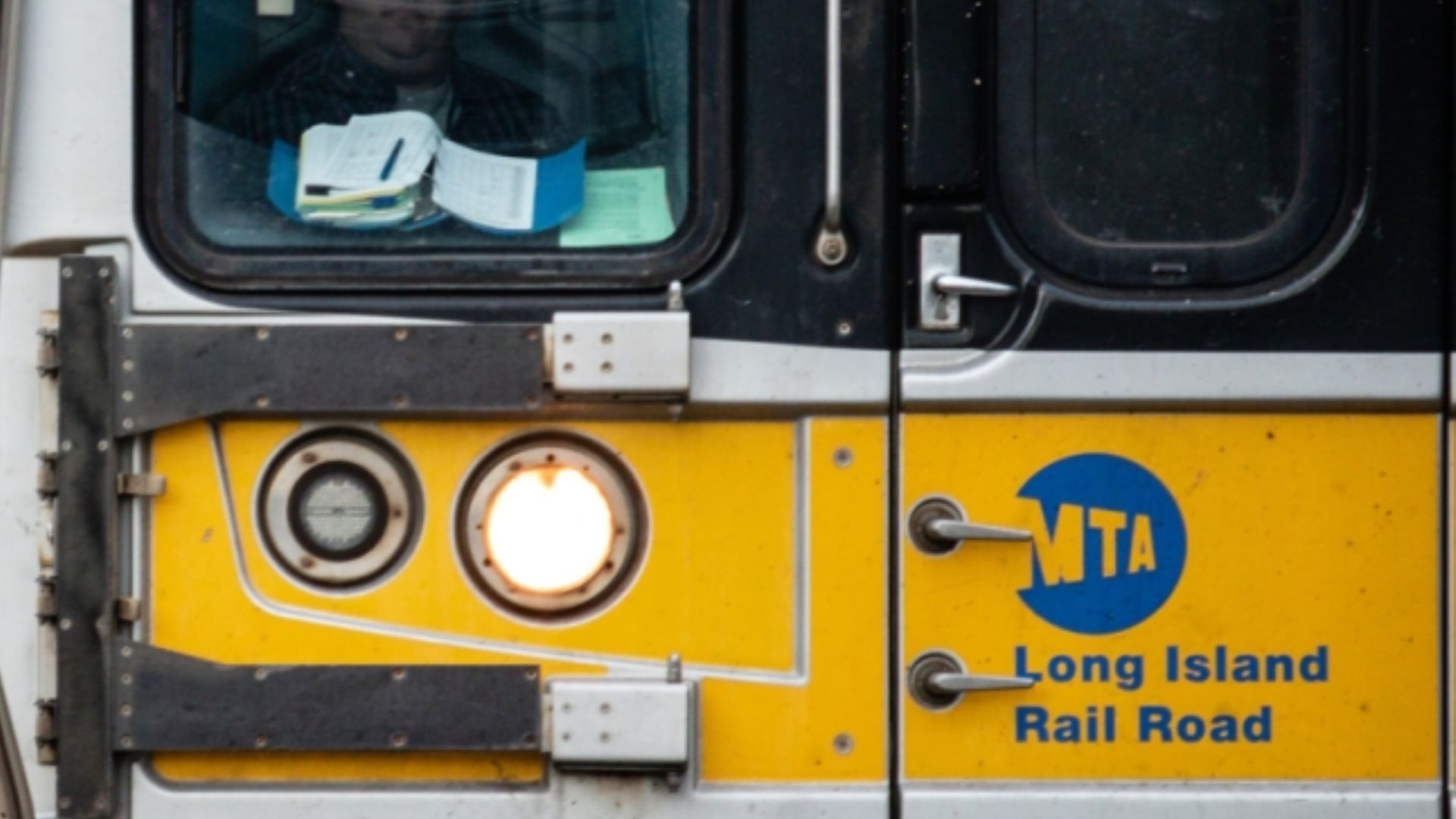
New York – Governor Kathy Hochul has announced a major set of service and infrastructure improvements for the Metropolitan Transportation Authority’s Long Island Rail Road Montauk Branch, with projects planned at the Amagansett and Hampton Bays stations. The work is aimed at giving the railroad more room to operate, improving reliability and reducing delays while creating the conditions needed for additional service in the future.
The announcement comes as demand for rail travel to Long Island’s East End continues to rise. Ridership on the Montauk Branch has reached levels that have put pressure on a rail line that still includes long stretches of single track. During the busy summer season, some trains serving the East End are operating close to full capacity, making the need for greater flexibility increasingly important.
The improvements will be carried out in two phases. The first phase will extend the existing track siding at Amagansett. The second phase will make a temporary second platform at Hampton Bays permanent and add related track and signal improvements. Together, the projects are expected to give the LIRR greater flexibility when scheduling trains and responding to disruptions.
“The LIRR is already the best and most convenient way to travel to and from the East End, but for years, aging infrastructure has stood in the way of improving service to keep up with surging demand,” Governor Hochul said. “By making smart investments in our rail system, we can soon make jam-packed summer trains a thing of the past by increasing reliability and running more service on the Montauk Branch, making it easier than ever for New Yorkers to travel out east by train.”
The projects are part of the MTA’s larger capital investment program. The $68 billion 2025-29 Capital Plan includes $6 billion for improvements to the LIRR, covering infrastructure and rolling stock. That amount represents a $300 million increase over the previous 2020-24 Capital Plan.
The two Montauk Branch projects are expected to cost a combined $78 million and will be funded through the 2025-29 Capital Plan. Officials say the work is designed not only to address current problems but also to create opportunities for improved service as ridership continues to grow.
MTA Chair and CEO Janno Lieber said the railroad is responding to the growing demand for service on the East End.
“Demand for service to the East End keeps growing and the LIRR is meeting the moment. First, we’re adding new permanent daily service to Montauk, next we’re bringing these over 100-year-old stations into the 21st century and making it possible to increase service.”
The first major project will take place at Amagansett, where the railroad plans to extend the existing train car siding by 14 LIRR train car lengths. The work is expected to make a significant difference on a section of the Montauk Branch where single-track operations currently limit the number of trains that can operate.
At present, there is a 27-mile stretch of single-track rail between Southampton and Montauk. Because trains traveling in opposite directions have fewer opportunities to pass, the configuration places limits on scheduling and can make it more difficult for the railroad to recover when a delay or other disruption occurs.
The Amagansett project will change that situation by extending the siding. Once the work is completed, the length of single-track railroad will effectively be divided into shorter sections. There will be 11 miles of single track between Amagansett and Montauk and 16 miles between Southampton and Amagansett.
That additional flexibility should give dispatchers more options when arranging train movements. It is also expected to make the railroad better able to recover from service disruptions, while improving the overall experience for passengers.
The Amagansett work is currently scheduled to begin during the first quarter of 2028. Completion is anticipated during the second quarter of 2029.
Once the project is finished, the LIRR plans to consider how the additional operating flexibility can be used to improve or increase service on the Montauk Branch. Officials say the goal is to use the new capacity to respond to the continued growth in ridership.
Long Island Rail Road President Rob Free said the planned improvements are part of a broader effort to provide more dependable transportation to the East End.
“As we continue to show our commitment to the east end of Long Island, these improvements on the Montauk Branch will deliver even more reliable service and shorter waits for the thousands of daily LIRR riders who depend on us. And with a new year-round weekday one seat ride to Montauk from Penn Station, we’re delivering the kind of convenient, predictable service our customers deserve while supporting the tourism and local industries that power the East End.”
The second phase of the project will focus on Hampton Bays Station. A temporary second platform was installed there in connection with the 2026 U.S. Open at Shinnecock Hills. The temporary platform was intended to handle the increase in passengers associated with the tournament.
Under the new project, that temporary platform will become permanent.
The permanent eastbound platform will allow passengers to board and exit trains in both directions without requiring trains to make additional movements as they enter or leave the station. Officials expect that change to improve reliability and accessibility while also giving the railroad more options for operating trains.
The Hampton Bays project will go beyond the platform itself. Track and signal upgrades are also planned. Those improvements will allow the station’s track siding to accommodate trains with up to eight cars, compared with the current six-car capacity.
The changes are also expected to improve the way passengers move through the station. Customers will be able to board and leave trains along the entire length of the platform, rather than being limited to a shorter section. That should help improve passenger flow, particularly when larger crowds arrive during busy periods.
The exact scope, schedule and implementation timeline for the Hampton Bays work will be determined during the planning and design process. Unlike the Amagansett project, officials have not yet provided a specific construction start and completion date.
MTA Construction & Development President Jamie Torres-Springer said the projects reflect the agency’s effort to modernize infrastructure across the railroad system.
“We’re always exploring ways to modernize our system. Montauk branch riders can now look forward to even more reliable service as we push major improvements forward across the line.”
The announcement also comes with a broader change in LIRR service to Montauk. Beginning in September 2026, the 5:13 p.m. train from Penn Station to Montauk will operate year-round.
Historically, the train ran east of Speonk only during the peak summer season. Making the service permanent will give passengers a year-round weekday one-seat ride from New York City to the East End.
The change adds to existing service improvements on the branch. The South Fork Commuter Connection, which began in 2019, provides reverse-peak service between Speonk and Amagansett and is designed to serve local residents and workers traveling in the opposite direction of traditional peak commuting patterns.
Ridership figures help explain why officials are focusing on the Montauk Branch now. So far this year, the branch has carried 1,212,229 passengers. During the same period last year, it carried 1,138,921 passengers, representing a 6.4 percent increase.
Several individual stations have recorded particularly strong growth.
Hampton Bays has recorded 62,961 riders so far in 2026, an increase of 23 percent compared with last year. Southampton has seen an even larger increase, with 88,453 customers using the station so far this year, representing a 46 percent increase.
The growing numbers are especially significant during the summer, when trains serving the East End can approach 100 percent capacity. The Montauk Branch serves residents, commuters and visitors, while also playing a role in supporting tourism and local businesses throughout the region.
Assemblymember Tommy John Schiavoni said the planned projects could help provide more transportation choices as traffic and summer crowds continue to increase.
“Today’s announcement by the MTA demonstrates a commitment to expanding transit options on Long Island’s underutilized East End railroads. As summers get more crowded, more options will be necessary to accommodate commuters and combat excessive traffic. That is why I am proud to share these planned upgrades, which will support the capacity for more trains out East. I will continue the fight to expand public transportation access that reduces congestion on our local roads and offers convenience and affordability for residents, commuters, and visitors alike.”
Suffolk County Executive Ed Romaine also pointed to the relationship between rail investment and road congestion.
“The more we can invest in our infrastructure, the more we can invest in public transportation and using rail as opposed to road, the better off we can be. If you doubt that, try driving County Road 39 in the morning or in the afternoon, and you’ll understand what it means to have an adequate public transportation system.”
For rail labor representatives, the planned work is another sign of continued investment in the region’s transportation infrastructure.
SMART General Chairperson Anthony Simon said: “We say it, build it, they will come. We’re going to keep building. We’re going to keep improving. We thank all of our political allies on both sides of the aisle, and I think the governor has proven it doesn’t matter what party you’re from. She’s going to look out for Long Island. She’s going to look out for the state of New York. I’ve never seen a more robust buildout and infrastructure plan and support from everyone, especially our governor. We have to thank all of the men and women, whether they’re our organization, the building trades. They get it done.”
Southampton Village Mayor William Manger Jr. said improvements in track capacity and station infrastructure are important to any effort to expand service.
“We are seeing important investments in the infrastructure that makes expanded service possible, including improvements to the Southampton station siding and additional track capacity and operational flexibility along the Montauk Branch. These improvements are essential if we want to continue increasing service.”
The improvements come at a time when the LIRR is also experiencing strong ridership across its entire system. June 2026 produced the five highest ridership days recorded by the railroad since the beginning of the pandemic.
The busiest post-pandemic day came on June 18, when 369,482 customers rode the LIRR. That date also coincided with the Knicks championship parade in New York City, which contributed to the unusually high passenger numbers.
While the Montauk Branch is a smaller part of the overall LIRR network, its rising ridership presents a particular infrastructure challenge. Large sections of the line were built decades ago, and the current single-track configuration between Southampton and Montauk leaves limited room for additional trains.
The Amagansett siding extension and permanent Hampton Bays platform are intended to address some of those limitations without waiting for demand to slow. Instead, the projects are being planned around the expectation that more passengers will continue to use the railroad.
For riders, the benefits are expected to come in several forms. Better track flexibility can make it easier for the railroad to manage trains when problems occur. The additional Hampton Bays platform can simplify train movements at the station, while track and signal work will allow longer trains to use the siding.
The projects also establish a foundation for potential future service increases. Officials have not specified exactly how many additional trains could eventually operate on the branch as a result of the work. Instead, the LIRR says it will evaluate service opportunities once the infrastructure improvements are complete.
The first concrete milestone will be the start of construction at Amagansett in 2028. Hampton Bays will move through its own planning and design process, with the timing of construction to be determined later.
For now, the combination of growing ridership, crowded summer trains and new investment is putting the Montauk Branch at the center of an effort to modernize East End rail service. The planned projects are intended to make the line more flexible and dependable while giving the LIRR additional tools to meet passenger demand.
With year-round weekday service to Montauk scheduled to begin in September 2026 and larger infrastructure projects planned for the years ahead, the railroad is preparing for a future in which more passengers may choose trains instead of cars for trips to and from Long Island’s East End.


-
 Local News2 years ago
Monroe County announces legal proceedings against properties listed in official public notice of foreclosure
-

 Local News2 years ago
New ALDI store close to Rochester to begin construction in late 2025 or early 2026
-

 Local News1 year ago
County Executive Adam Bello and members of the county legislature celebrate exceptional young leaders and advocates at the 2025 Monroe County Youth Awards
-

 Local News1 year ago
The 2025 Public Market Food Truck Rodeo series will begin this Wednesday with live music by the Royal Bromleys