State
Governor Hochul defends New York’s AI data center strategy in Wall Street Journal letter

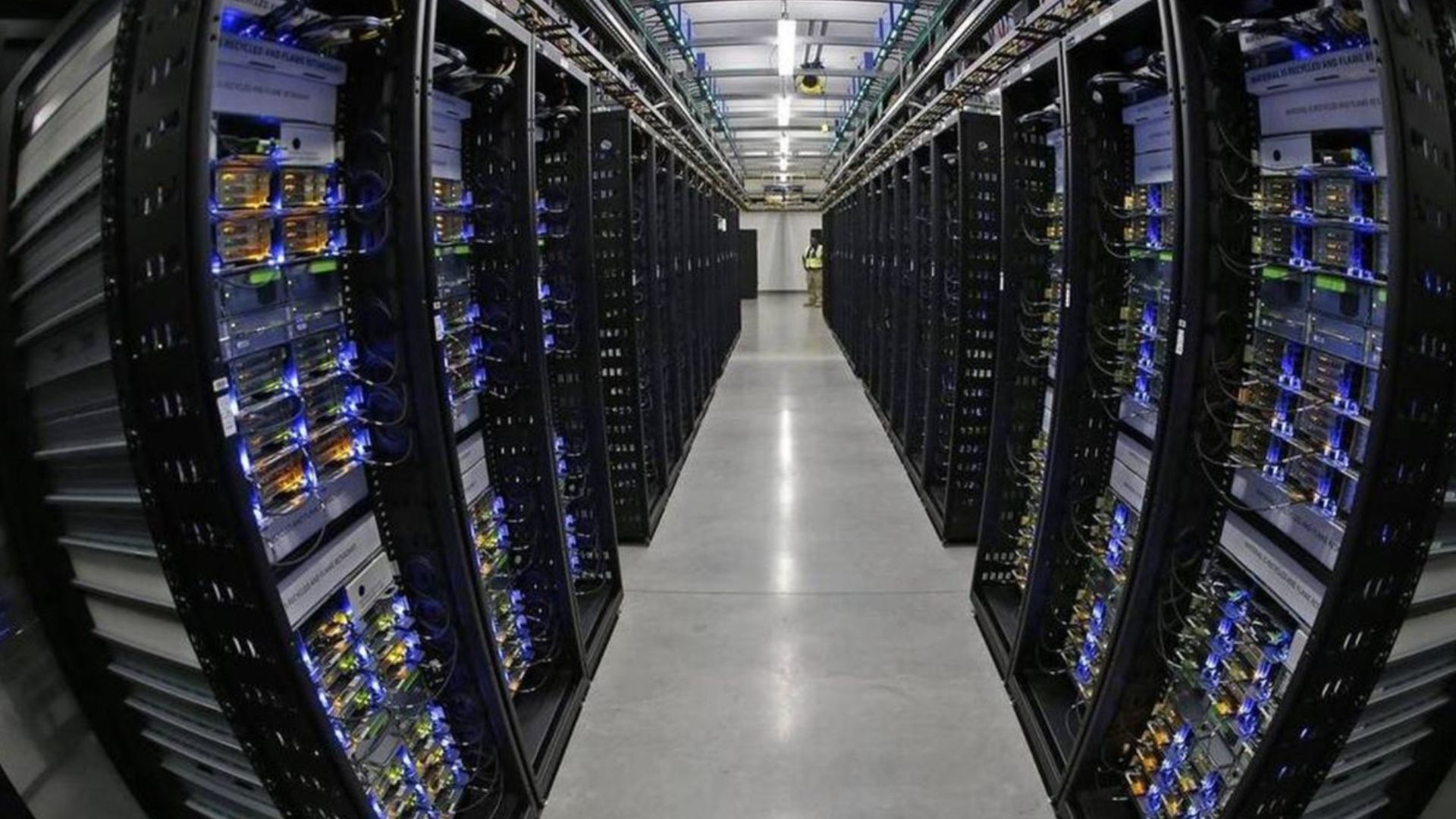
Albany, New York – New York Governor Kathy Hochul is defending the state’s approach to the rapid expansion of artificial intelligence data centers, arguing that responsible planning—not unchecked growth—is the best way to secure the industry’s future while protecting residents and businesses.
In a letter to the editor published by The Wall Street Journal, Hochul responded to an editorial that criticized New York’s recent decision to temporarily pause the construction of certain large AI data centers. The governor said the editorial misrepresented both the state’s decision and the reasoning behind it, insisting that New York remains committed to becoming a leader in artificial intelligence while ensuring the industry develops under clear and balanced rules.
Addressing the criticism directly, Hochul wrote, “Your editorial criticizing New York’s approach to artificial intelligence data centers gets both our decision and rationale wrong (“New York’s Data Center Self-Sabotage,” July 15).”
The governor explained that the state has implemented what she described as a limited and temporary pause affecting only new hyperscale AI data centers requiring 50 megawatts of electricity or more. According to Hochul, the measure is designed to give state officials time to establish a regulatory framework before approving projects that could significantly affect energy infrastructure and surrounding communities.
She emphasized that the action does not stop the broader growth of artificial intelligence in New York. Existing facilities will remain in operation, while smaller projects can continue moving through the development process. Once updated regulations are in place, the temporary pause will end.
Highlighting that distinction, Hochul wrote, “New York adopted a temporary, targeted pause on new hyperscale AI data centers that use 50 megawatts or more while we establish clear rules for an industry that will reshape our economy for generations.” She added, “Existing facilities will continue to operate. Smaller projects can move forward. The pause will be lifted when we have clearer rules in place to protect New Yorkers. What we’re pausing isn’t innovation. It’s the rush to build first and answer questions later.”
Throughout the letter, the governor rejected the argument that New York must choose between economic growth and consumer protections. Instead, she said both goals can be achieved through careful planning that considers energy demand, infrastructure needs, and the interests of local communities.
Hochul stated, “I reject the false choice that New Yorkers must pick between leading the future of AI and protecting affordability, ratepayers, existing job creators and the communities where these facilities are built.”
She also challenged claims that stricter oversight could weaken the United States in the global race to develop artificial intelligence technologies. According to Hochul, innovation has always been strongest when paired with public trust and responsible policies rather than the absence of regulation.
In her letter, she wrote, “The notion that thoughtful regulation that protects American ratepayers somehow hands victory to China is absurd. America’s competitive advantage has never been the absence of rules. It has been our ability to attract the world’s best talent, develop breakthrough technologies and earn public confidence in them.”
The governor also addressed the economic impact of AI infrastructure, arguing that while large data centers are important, they are not the primary source of long-term employment within the artificial intelligence sector. Instead, she said lasting job growth comes from research institutions, skilled workers, and innovative businesses—areas where she believes New York already has a strong foundation.
Read also: Passenger bus rollover on New York State Thruway leaves 10 injured as investigation continues
She wrote, “The majority of AI jobs aren’t tied to where servers are built; in fact, these data centers create few long-term jobs. Jobs are created where talent, groundbreaking research and innovative companies come together—all areas where New York is second to none.”
Hochul pointed to previous investments aimed at strengthening the state’s AI ecosystem, including Empire AI, a $500 million public-private partnership intended to advance artificial intelligence research and innovation. She also noted that New York has begun using AI technology to modernize outdated government regulations.
Looking ahead, the governor said she wants AI companies to continue expanding in New York, but believes that residents should also benefit from that success. She argued that communities should see meaningful economic gains, utility customers should not bear the costs of rising electricity demand, and infrastructure should be prepared to support future growth.
Summing up her vision, Hochul wrote, “I want AI companies to succeed here. But when they succeed because of New York, New Yorkers should succeed too. Success means communities reap economic benefits, ratepayers don’t foot the bill for massive new energy demand and infrastructure keeps pace with unprecedented growth.” She concluded on an optimistic note, stating, “I have confidence that New York has the ability to get this right. Within the next year, the world will see our model in action—government and industry building a responsible AI future, together.”


-
 Local News2 years ago
Monroe County announces legal proceedings against properties listed in official public notice of foreclosure
-

 Local News2 years ago
New ALDI store close to Rochester to begin construction in late 2025 or early 2026
-

 Local News2 years ago
County Executive Adam Bello and members of the county legislature celebrate exceptional young leaders and advocates at the 2025 Monroe County Youth Awards
-

 Local News1 year ago
The 2025 Public Market Food Truck Rodeo series will begin this Wednesday with live music by the Royal Bromleys