Local News
Rochester City Council approves Mayor Evans’ budget to preserve essential services amid rising mandatory costs

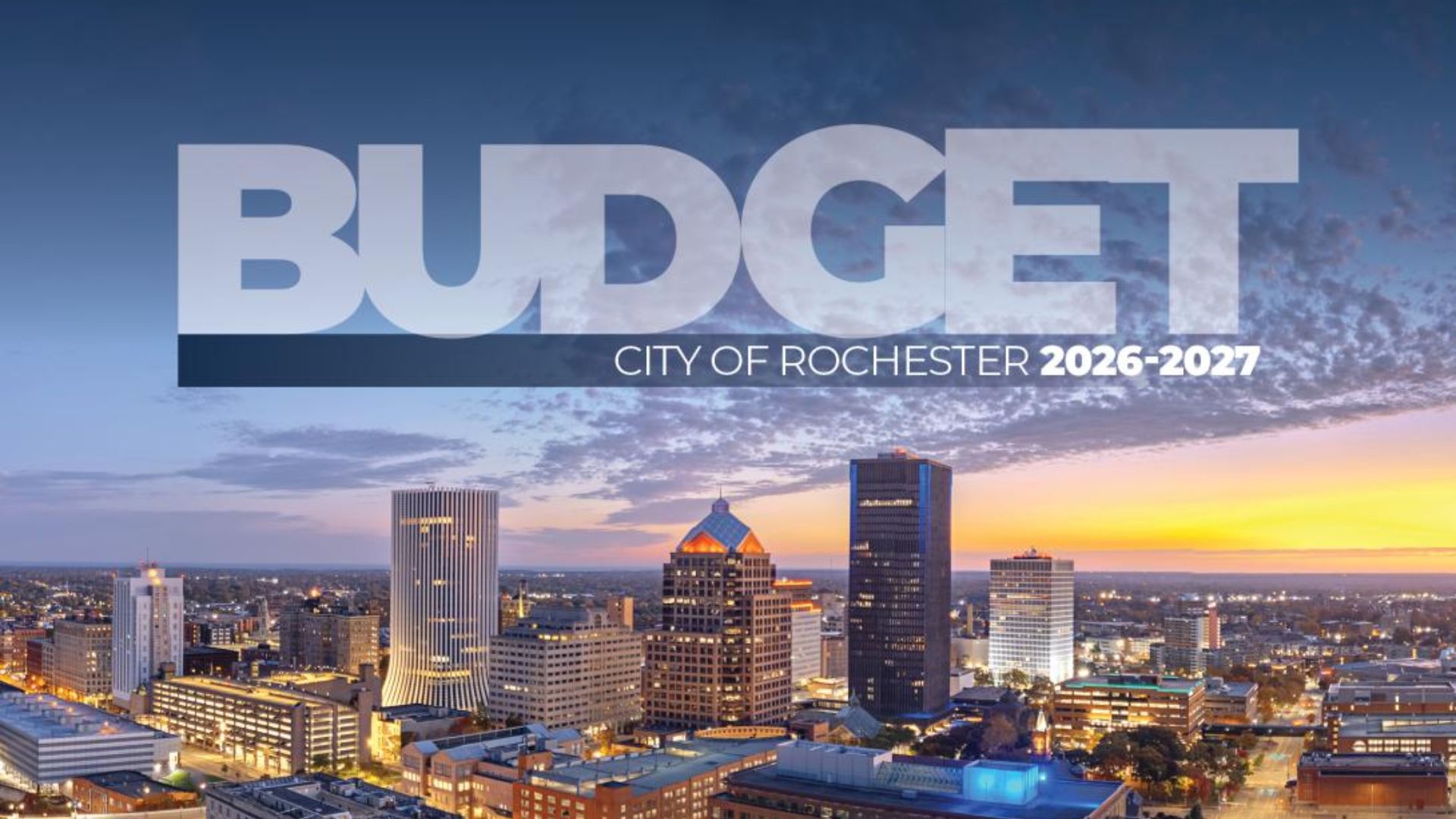
Rochester, New York – The Rochester City Council has officially approved Mayor Malik D. Evans’ operating budget for the 2026-2027 fiscal year, paving the way for continued city services and community investments despite mounting financial pressures that have challenged municipalities across the country.
The newly adopted budget totals $706.8 million and arrives at a time when Rochester, like many cities, is grappling with rapidly increasing costs tied to pensions, healthcare, utilities, and other mandatory expenses. City leaders say a significant boost in state support played a crucial role in preventing difficult cuts and preserving programs that residents rely on every day.
A major factor behind the budget’s stability was an additional $35 million in aid from New York State. According to city officials, that funding helped offset growing financial obligations and allowed Rochester to avoid reducing critical services while continuing to invest in public safety, housing, youth programs, and neighborhood development.
“I must recognize the tremendous amount of work that went into this year’s proposed budget,” said Mayor Evans. “The financial strain cities across America are feeling is real. And if not for the $35 million of additional State aid, we would be facing an extremely difficult year ahead. Instead, thanks to the commitment from Governor Hochul and our State delegation, we have been able to maintain services and even see some small tax relief for our homeowners.”
While the budget preserves existing services, it also includes Rochester’s first property tax levy increase in six years. The levy will rise by $7.5 million, a move city officials say is necessary to address double-digit increases in several major operating costs.
Even with that adjustment, many homeowners are expected to see little to no impact. Due to Rochester’s annual homestead-to-commercial tax-shift process, residential property taxes will remain essentially unchanged. In fact, the typical homeowner is expected to experience a slight decrease in taxes, amounting to roughly 25 cents per month.
Businesses will face modest increases, although city officials note that the overall effect is softened when viewed over a two-year period. Commercial properties benefited from a reduction during the previous budget cycle, meaning the average business would see a net increase of less than $30 per month across both years combined.
Public safety remains a central focus of the spending plan. The budget continues funding for violence reduction initiatives that city leaders credit with helping drive shootings to their lowest levels since 2011. Additional resources will support efforts to strengthen emergency response systems and address community needs through both law enforcement and non-law enforcement approaches.
Among the investments included is the expansion of the Person In Crisis Team, which will add Peer Navigators to improve responses to certain 911 calls involving individuals experiencing crises. The city will also fully staff the ACTION Team, a program designed to assist Rochester’s unhoused population by connecting residents with services and support.
The budget further provides funding for two Police Academy classes as the city works to address longstanding staffing shortages within the police department.
Read also: Rochester City Hall and several public service offices to close on June 19 for Juneteenth observance
Outside public safety, the spending plan directs resources toward a broad range of community initiatives. Funding will help support the new Maplewood Nature Center and Playground, expand youth employment opportunities, and provide training programs focused on the social and emotional well-being of young people participating in R-Center programs.
Housing also remains a priority. Budget allocations are intended to increase affordable housing opportunities and encourage homeownership, while additional support will be provided for the Neighbors in Action program, which aims to strengthen community engagement and neighborhood connections.
To manage rising operational expenses, residents will also see increases in some city charges. Refuse collection and water delivery fees are set to rise, reflecting higher fuel and operating costs. Certain parking fines and other service-related fees will also be adjusted under the approved financial plan.
With the budget now adopted, city leaders say Rochester is positioned to maintain momentum in key areas while navigating a challenging economic environment. The approved spending plan reflects an effort to balance fiscal responsibility with continued investment in public services, neighborhood development, and programs designed to improve quality of life for residents across the city.
The city has indicated that the finalized budget document will be made available online in the coming weeks.


-
 Local News1 year ago
Monroe County announces legal proceedings against properties listed in official public notice of foreclosure
-

 Local News2 years ago
New ALDI store close to Rochester to begin construction in late 2025 or early 2026
-

 Local News1 year ago
County Executive Adam Bello and members of the county legislature celebrate exceptional young leaders and advocates at the 2025 Monroe County Youth Awards
-

 Local News1 year ago
The 2025 Public Market Food Truck Rodeo series will begin this Wednesday with live music by the Royal Bromleys