Local News
Specialty care remains difficult to access for many children living with uncontrolled asthma across vulnerable communities

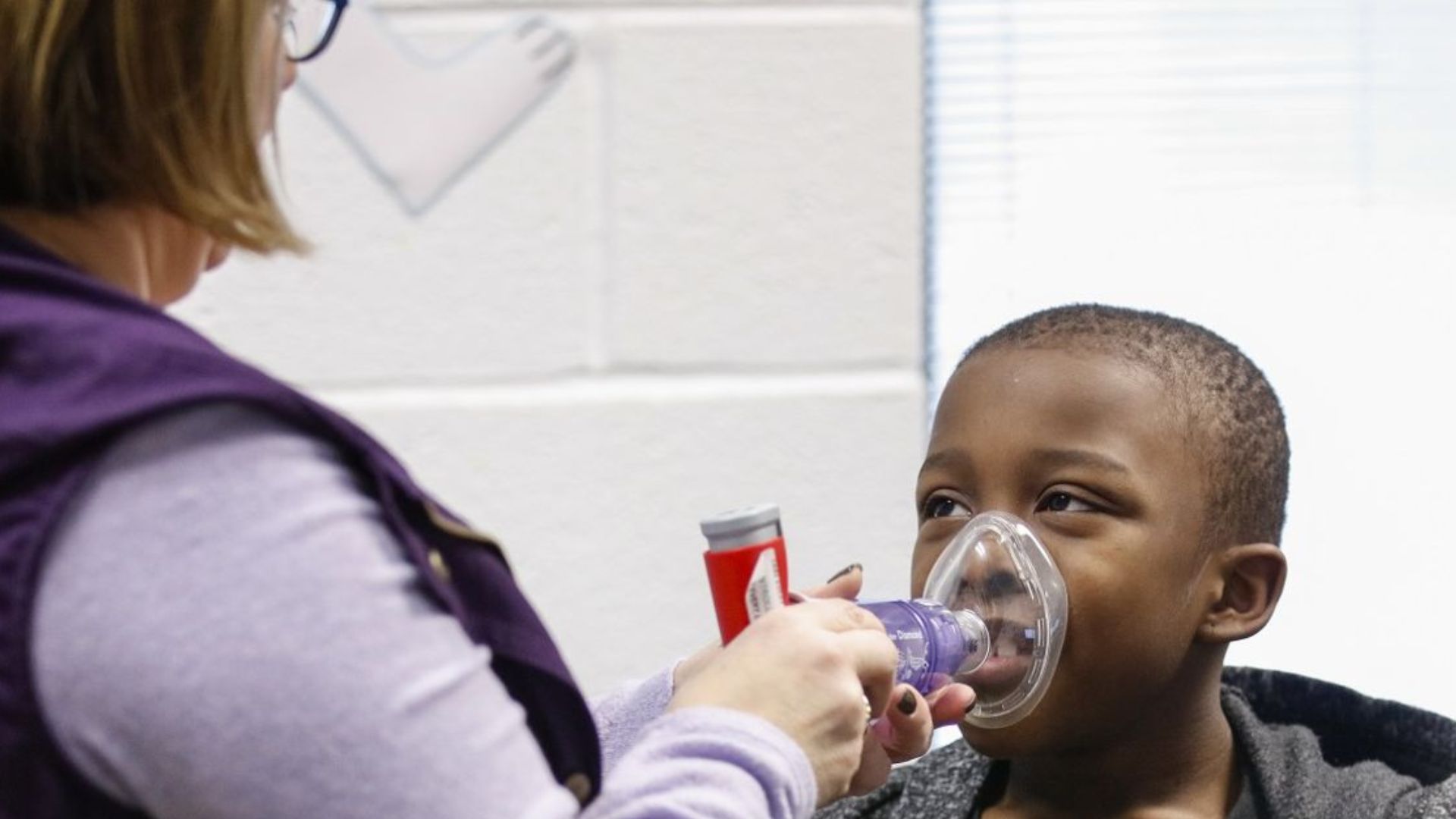
Rochester, New York – For many children living with uncontrolled asthma, seeing a medical specialist remains more the exception than the rule, even when clinical guidelines clearly recommend it. A new Rochester, New York-based study highlights how large that gap can be, particularly for children from historically marginalized communities who already face added barriers to care.
The study, published in the Journal of Asthma, examined children enrolled in a school-based asthma program designed to improve access to care through telemedicine and specialist-supported services. All of the children in the analysis, ages 4 to 12, lived in the city of Rochester and met the medical criteria for uncontrolled asthma. Yet the majority had never received care from an asthma specialist such as a pulmonologist or allergist.
Researchers found that only 37% of children in the study had ever seen a specialist at any point. The number dropped sharply when looking at more recent care. Just 16% had been seen by a specialist within the previous year, despite clear recommendations that children with uncontrolled asthma should receive specialty evaluation and management.
“Our population includes kids who are disproportionately affected by barriers to care,” said Emily Aman, MPH, co-author and senior coordinator for the school-based asthma program. “We know specialist care is recommended for children with uncontrolled asthma, but the numbers were low, especially considering that every child in the study met criteria for seeing a specialist.”
The findings point to several interconnected challenges, but one stood out as especially significant and potentially fixable: the referral process. While children who received a referral from a primary care provider were more likely to have seen a specialist, only 23% of children in the study had been referred at all.
Researchers suggest that time pressures during appointments, competing medical priorities, and the increasing complexity of asthma treatment guidelines may all play a role. In many cases, communication gaps leave caregivers unsure about what questions to ask or what options exist for their child.
“Many caregivers can feel rushed when they’re in their doctor’s visits,” said Rachel White, MS, co-author and research specialist who works with families in the asthma programs. “Some families may not be aware that a specialist could be helpful for their child.”
The study also revealed patterns in which children were more likely to receive specialty care. Those seen by a specialist in the prior year were more often younger, Hispanic, living in smoke-free homes, and living with a married caregiver. They were also more likely to come from households earning $35,000 or more annually.
At the same time, many children who had not seen a specialist were living with conditions known to worsen asthma control. Caregivers reported that 38% of these children had allergic rhinitis, a condition that causes inflammation and allergy symptoms, while 42% were exposed to smoke in the home. Both factors can significantly complicate asthma management, especially without specialized oversight.
These results reflect broader trends in health care access, where social and economic factors strongly influence who receives recommended services. Transportation challenges, work schedules that limit time off, and the difficulty of navigating complex health systems can all stand in the way. Importantly, the study found that lack of interest was not the issue. In fact, 81% of caregivers believed that asthma specialist care would be helpful for their child.
White stressed that the findings should not be viewed as criticism of families or clinicians, but rather as a sign of a system that works unevenly.
“We often move quickly and assume shared understanding,” she said. “But families may not know when specialty care is an option, or that it’s being recommended at all. Closing that gap requires clearer, more proactive communication.”
The data used in the analysis came from baseline caregiver reports for 325 children enrolled in the Telemedicine Enhanced Asthma Management – Uniting Providers, or TEAM-UP, randomized controlled trial. The trial took place in Rochester between 2018 and 2023 and focused on improving asthma outcomes through school-based care and telemedicine support.
Researchers believe this approach could help address some of the most common barriers to specialty care. By delivering services through schools and virtual visits, programs like TEAM-UP may reduce the need for transportation, limit missed work time for caregivers, and strengthen coordination between school nurses, primary care providers, and specialists.
Still, the study’s authors caution that turning this idea into routine practice is not simple. Telemedicine programs require trained staff, clear workflows, and consistent communication across systems. Persistent challenges, such as chronic school absenteeism, can also limit how many children benefit from these services.
“In theory, it makes sense,” Aman said. “In practice, it’s difficult to get all the pieces together. But there’s real potential.”
The study underscores a central tension in pediatric asthma care: effective tools and guidelines exist, but access to them remains uneven. For children with uncontrolled asthma, closing that gap could mean fewer symptoms, fewer emergency visits, and a better quality of life. For now, the findings serve as a reminder that improving outcomes will require not only medical expertise, but systems that are easier for families to reach and understand.


-

 Local News1 year ago
Monroe County announces legal proceedings against properties listed in official public notice of foreclosure
-

 Local News2 years ago
New ALDI store close to Rochester to begin construction in late 2025 or early 2026
-

 Local News1 year ago
County Executive Adam Bello and members of the county legislature celebrate exceptional young leaders and advocates at the 2025 Monroe County Youth Awards
-

 Local News1 year ago
The 2025 Public Market Food Truck Rodeo series will begin this Wednesday with live music by the Royal Bromleys