Local News
Congressman Pat Ryan meets Hudson Valley families to address rising childcare costs

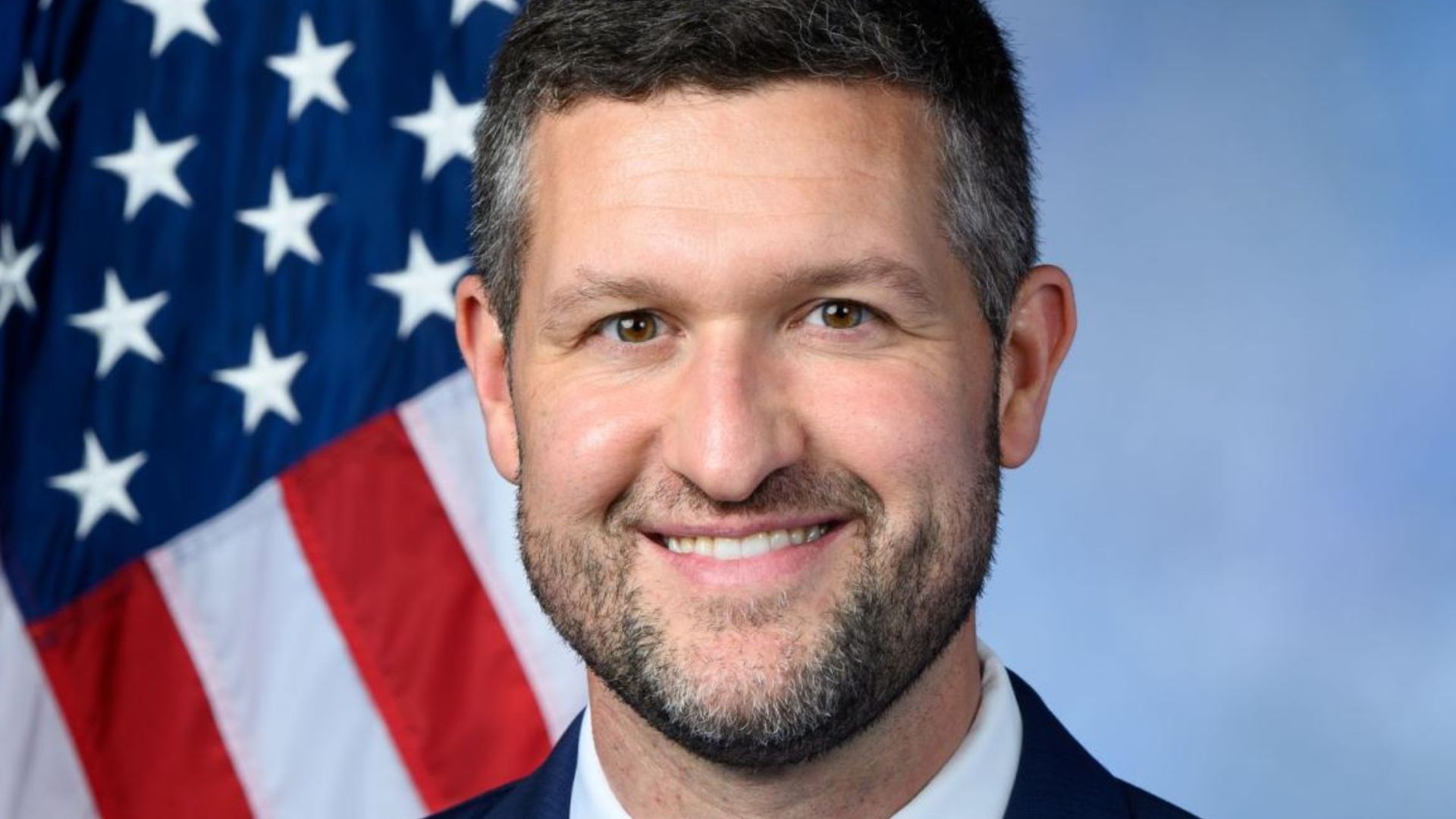
Poughkeepsie, New York – The growing cost of childcare and the difficulty many families face finding available care took center stage in Poughkeepsie as Congressman Pat Ryan met with parents, educators, childcare providers and community leaders for a roundtable discussion.
Ryan, a father of two and a member of the Congressional Dads Caucus, joined local stakeholders at DAY ONE in Poughkeepsie to hear directly about the pressures facing families and the people who provide care for young children.
The discussion focused on a problem that reaches far beyond the cost of a weekly childcare bill. Families are struggling to find care they can afford, while childcare providers say they are having trouble keeping qualified employees and maintaining operations. For working parents, the shortage can create another difficult choice — how to stay in the workforce while also making sure their children have safe, reliable care.
The meeting also came against the backdrop of a federal fight over childcare funding. Earlier in 2026, several states, including New York, faced freezes involving Child Care and Development Fund dollars. The funding disruption followed federal fraud investigations that were described by Ryan and others as unfounded. The issue raised concerns about the effect that withholding childcare resources could have on families who depend on subsidies and other assistance.
For Ryan, childcare is part of a broader affordability problem affecting households throughout the Hudson Valley. During his time in Congress, he has made lowering everyday costs a central focus, pointing to expenses such as groceries, utilities, housing and healthcare. Childcare, he argued during the discussion, belongs in that same conversation.
Read also: Oswego man arrested after trying to switch seats during traffic stop
“I know as well as anyone that being a parent is beyond a full-time job. At a time when Hudson Valley families are working as hard as they can, doing everything right, but still can’t afford basic necessities, the last thing they should have to worry about is making sure their kids are well taken care of,” said Congressman Pat Ryan. “I fought back hard when Trump tried to rip away childcare funding from our community – but there’s still a lot of work to do. I heard from parents unsure how much longer they can make ends meet and from providers who love taking care of kids but are left with no option but to switch professions in order to pay their bills. Childcare isn’t a luxury item – it’s a necessity for so many parents, but the system is broken. I’m proud and grateful to get to collaborate with these community members on how we can lower costs for families in the Hudson Valley and beyond.”
The numbers illustrate why the issue has become such a major concern. Nationally, full-time center-based care for an infant averages $14,802 a year. New York is among the states where families face some of the highest childcare costs.
The burden can be especially heavy for single parents. While federal guidance has suggested that childcare should account for no more than 7% of a family’s income, single parents currently spend an average of 35% of their income on care, according to the information presented. Married couples spend about 10%.
The pressure has also grown in recent years. In 2025, 70% of parents reported that raising children had become “too expensive,” an increase of 13 percentage points from the previous year.
Those costs can affect whether parents are able to work at all. Approximately 81% of parents who struggled to find childcare in 2025 said the problem directly affected their ability to work. In other words, a shortage of affordable care is not only a family issue. It can also become a workforce issue.
Read also: R-H Kicking Hunger School Food Pantry moves to new Rush-Henrietta location
Childcare providers are facing their own financial challenges. More than half of Americans live in what is described as a “childcare desert,” meaning there are more than three children for every available childcare slot. At the same time, nearly 40% of childcare providers report staffing shortages.
Low wages are another part of the problem. The median hourly wage for childcare workers remains around $15, while many workers themselves struggle to cover basic expenses such as food and housing. That can make it difficult for providers to retain employees, which can further limit the number of children they are able to serve.
Geraldine Laybourne, co-founder of DAY ONE Early Learning Community, said the people participating in the roundtable described similar problems from different perspectives.
“Parents, providers and teachers from both sides of the river described the same impossible math: families who can’t find care they can afford, and providers who can’t pay their teachers enough to keep the doors open,” said Geraldine Laybourne, co-founder of DAY ONE Early Learning Community. “Congressman Ryan came to listen, creating space for participants to speak openly and honestly about what they’re experiencing. What he heard in Poughkeepsie is being lived in communities across this country, and affordable, high-quality childcare is an issue where both parties find common ground. New York is treating childcare as public infrastructure, and Dutchess is one of the first three counties building it. What gets solved here can become a template everywhere else.”
Jaime Hyla, CEO of Community Family Development, emphasized that childcare is closely connected to the strength of families and the local economy.
“High-quality early childhood education is the foundation that allows children, families, and communities to thrive. At Community Family Development, we see every day that investing in early childhood education is not simply an investment in our youngest children—it strengthens families, supports working parents, and builds a stronger local economy. We are grateful to Congressman Ryan for his ability to listen, learn and work towards tangible solutions that make affordable childcare accessible to folks in the Hudson Valley,” said Jaime Hyla, CEO of Community Family Development.
For providers working directly with young children, having the chance to speak with a member of Congress was also significant.
“For the first time, the people working hands-on in childcare were given the opportunity to speak directly about the challenges they see every day for providers and families with young children. It was refreshing to have the ear of a congressman who was genuinely willing to listen and hear our concerns. Having a seat at that roundtable was significant, because meaningful change in childcare can only happen when we listen to those on the front lines. Ultimately, our goal is to create a system that truly serves the best interests of our most vulnerable population—our babies and young children,” said Marisol Hoffman of Feels Like Home Childcare.
The conversation in Poughkeepsie underscored how closely connected the different pieces of the childcare problem have become. Parents need affordable and dependable care to remain at work. Providers need enough funding to pay workers competitive wages and keep classrooms open. Communities need a stable childcare system to support families and employers.
For Hudson Valley families already dealing with higher household costs, the issue is particularly immediate. The roundtable gave parents and childcare professionals an opportunity to explain those challenges directly while Ryan discussed the need for solutions that can lower costs and expand access.
The meeting did not offer a single answer to the childcare crisis, but it brought together people who experience different sides of the same problem. The message from the discussion was straightforward: without affordable, accessible and high-quality childcare, both families and the wider local economy can struggle.
Ryan said he plans to continue working with community members on ways to address those pressures, building on his broader efforts to reduce costs for Hudson Valley residents.


-

 Local News2 years ago
Monroe County announces legal proceedings against properties listed in official public notice of foreclosure
-

 Local News2 years ago
New ALDI store close to Rochester to begin construction in late 2025 or early 2026
-

 Local News1 year ago
County Executive Adam Bello and members of the county legislature celebrate exceptional young leaders and advocates at the 2025 Monroe County Youth Awards
-

 Local News1 year ago
The 2025 Public Market Food Truck Rodeo series will begin this Wednesday with live music by the Royal Bromleys