Local News
Governor Kathy Hochul requests federal disaster declaration after severe winter weather devastates Long Island aquaculture farms

Albany, New York – New York officials are seeking federal assistance for aquaculture farmers on Long Island after a brutal stretch of winter weather caused widespread damage to shellfish operations earlier this year. The request comes after weeks of freezing temperatures and heavy snowfall disrupted the region’s coastal waters and halted production for many growers.
Kathy Hochul, governor of New York, announced that the state has formally asked the United States Department of Agriculture to issue a Secretarial Disaster Designation for Suffolk County. The designation would make aquaculture farms in the area eligible to apply for low-interest emergency loans through federal assistance programs.
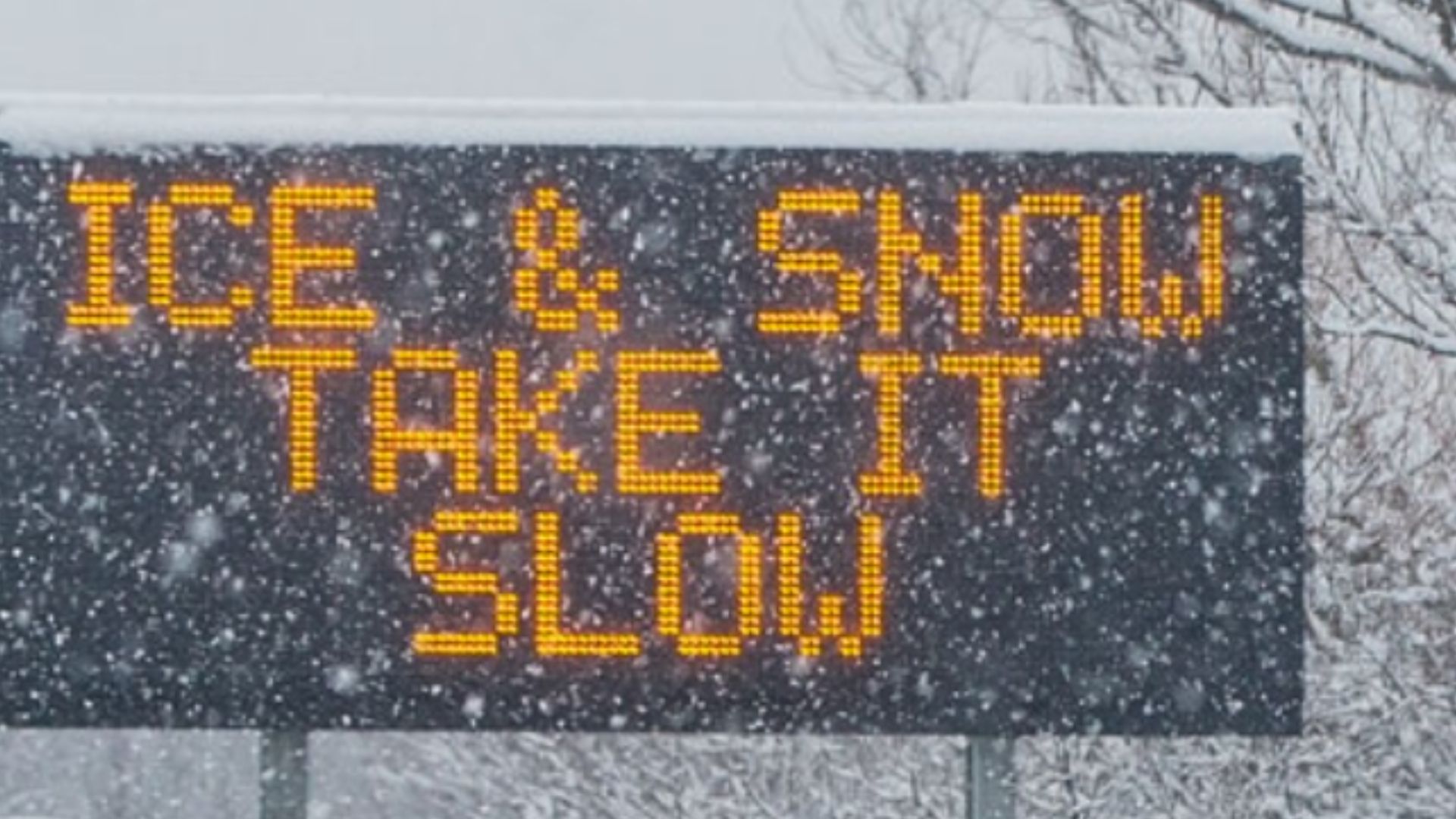
The request follows a difficult February for oyster growers and other shellfish farmers along the Long Island coast. According to state officials, prolonged freezing temperatures combined with significant snowfall created ice conditions not seen in years across many bays and waterways. The extreme weather left farmers unable to reach their shellfish beds, stopping routine harvesting and maintenance work for extended periods.
“With freezing temperatures that lasted for several weeks, the Long Island coast saw ice conditions like they haven’t experienced in years, leading to a halt in operations and damage to equipment that will cost the aquaculture industry millions of dollars,” Governor Hochul said. “I urge the USDA to take swift action to declare Suffolk County a disaster area and help our growers get the assistance they need to recover and move forward.”
Preliminary estimates show that aquaculture producers in Suffolk County may have suffered a combined loss of roughly $2.4 million as a result of the harsh winter conditions. Industry surveys conducted with local partners suggest that many growers lost more than 30 percent of their production during the freeze.
But the losses extend beyond missed harvests. Thick sheets of ice formed across coastal waters throughout February, blocking access to aquaculture sites and preventing farmers from reaching their equipment. Boats sat idle in frozen harbors, while racks, lines, and other essential gear were damaged by shifting ice and severe weather.
State agriculture officials say the impacts could take months—or even longer—to fully recover from.
Richard A. Ball, commissioner of the New York State Department of Agriculture and Markets, emphasized how the unusual winter conditions disrupted daily operations for the region’s shellfish growers.
“Our shellfish growers depend on being able to move through the waters to harvest their crops and in February, with ice as thick as it was, they were not only not able to harvest their crops, but they also saw critical equipment severely damaged, costing them millions of dollars. I am thankful to the Governor for this request and appreciate the USDA’s consideration to move ahead with a disaster declaration to provide some financial relief to area farmers,” Ball said.
The aquaculture industry plays a meaningful role in New York’s coastal economy. While it may not be as widely recognized as other agricultural sectors, shellfish farming provides seafood to markets across the region and supports local employment. Many of the farms operating along Long Island’s shores are small or family-run businesses that depend heavily on consistent harvesting cycles and stable environmental conditions.
When those cycles are disrupted—even for a few weeks—the financial consequences can ripple through entire communities.
Environmental officials say the freeze also had broader ecological impacts. Amanda Lefton, commissioner of the New York State Department of Environmental Conservation, said the extended cold snap damaged shellfish populations and the operations that rely on them.
“Recent prolonged winter conditions have devastated shellfish aquaculture populations across Long Island’s coastal waters and impacted growers who rely on these resources for their livelihoods. We thank Governor Hochul for her advocacy and echo her call for a USDA Secretarial Disaster Declaration for the shellfish aquaculture industry to assist impacted business owners who play such an important role in the regional economy. DEC remains committed to working with our partners and the industry to gather the fishery revenue information needed to qualify for a future NOAA Fishery Disaster Declaration request,” Lefton said.
If the federal government approves the request, farms in Suffolk County—and those in neighboring counties that qualify under federal rules—could become eligible for emergency assistance through the USDA’s Farm Service Agency.
The disaster designation would allow affected producers to apply for low-interest emergency loans designed to help farmers recover from losses caused by natural disasters. These funds can be used for a range of needs, including repairing damaged equipment, replacing lost infrastructure, and restoring farm operations.
Farmers in eligible counties would have eight months from the date of the federal disaster declaration to apply for the financial assistance.
For many Long Island shellfish growers, that support could make the difference between a temporary setback and a long-term economic blow.
As state officials continue pressing for federal action, aquaculture farmers are already preparing for the upcoming growing season—hoping calmer waters and warmer temperatures will allow them to rebuild after one of the harshest winters their industry has faced in years.


-

 Local News1 year ago
New ALDI store close to Rochester to begin construction in late 2025 or early 2026
-

 Local News12 months ago
County Executive Adam Bello and members of the county legislature celebrate exceptional young leaders and advocates at the 2025 Monroe County Youth Awards
-

 Local News1 year ago
Rochester Lilac Festival announces exciting 127th edition headliners
-

 Local News11 months ago
The 2025 Public Market Food Truck Rodeo series will begin this Wednesday with live music by the Royal Bromleys