State
Governor Kathy Hochul announces nearly $100 million in new funding to help communities strengthen climate resiliency and reduce flood risks across New York

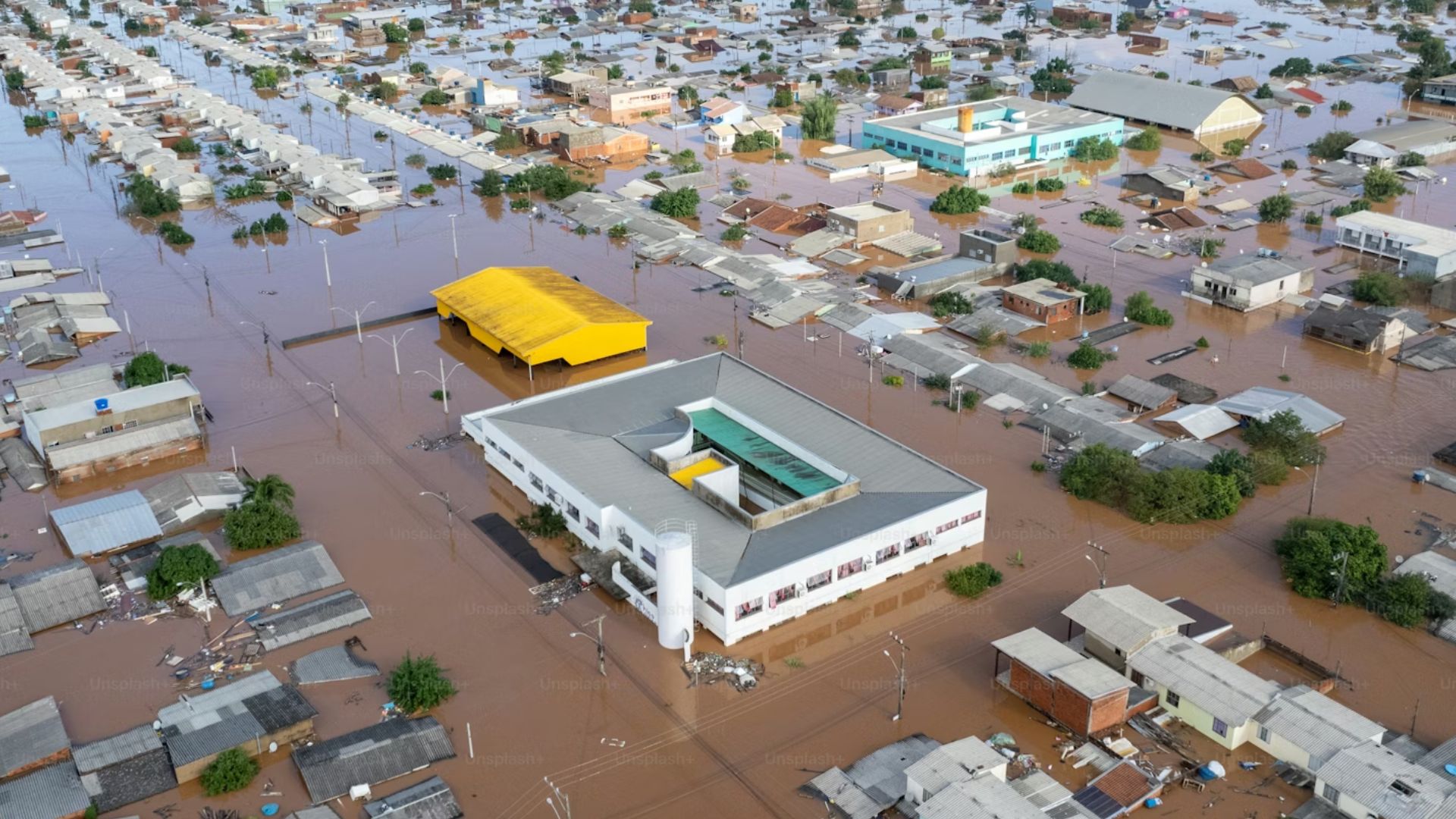
Albany, New York – A sweeping new round of climate funding is heading to communities across New York as the state ramps up its efforts to prepare for stronger storms, rising waters and increasingly unpredictable weather. Governor Kathy Hochul announced that nearly $100 million in grants will soon be available to support projects designed to reduce flooding and help neighborhoods adapt to climate threats.
The funding comes through the landmark Clean Water, Clean Air and Green Jobs Environmental Bond Act of 2022, a $4.2 billion initiative approved to strengthen environmental protections, improve infrastructure and accelerate climate resilience across the state. The latest grants will support projects that rely heavily on natural solutions and green infrastructure—approaches that work with nature rather than against it to manage water, restore ecosystems and safeguard communities.
“Through the historic funding commitments in the Environmental Bond Act and many other resiliency programs, New York State is fast becoming the most climate resilient state in the nation,” Governor Hochul said. “This $100 million investment will strengthen our ability to withstand future storms, while also creating healthier and more sustainable communities and economies for generations to come.”
The newly announced funding will be distributed through two major grant programs aimed at tackling flood risk and strengthening infrastructure in vulnerable areas. These programs are open to municipalities and nonprofit organizations across the state, allowing local leaders and environmental groups to pursue projects that directly address the needs of their communities.
One of the largest pieces of the funding package will go toward the Resilient Watersheds Grant Program, which will make $60 million available for projects designed to reduce flood hazards and protect communities from severe weather. The initiative is jointly managed by the New York State Department of Environmental Conservation and the New York State Environmental Facilities Corporation.
The Resilient Watersheds program focuses on improving the health and function of river systems, floodplains and surrounding landscapes. By restoring natural waterways and removing outdated barriers, the program seeks to reduce flooding while improving water quality and strengthening ecosystems.
Projects eligible for funding include removing dams or other obstructions that block waterways, replacing outdated culverts beneath roads, restoring damaged streams and floodplains, stabilizing eroding streambanks and, in some cases, buying out properties located in high-risk flood zones.
The initiative builds on the success of the state’s Resilient NY program, a scientific effort that maps and studies flood-prone watersheds across New York. Those studies provide detailed data that communities can use to identify the most effective ways to reduce flood risk and plan for long-term resilience.
State officials say the program reflects a growing recognition that climate adaptation requires both modern infrastructure and nature-based solutions. Restoring wetlands, reconnecting floodplains and allowing rivers to flow more naturally can help absorb floodwaters that might otherwise overwhelm towns and cities.
Amanda Lefton, commissioner of the New York State Department of Environmental Conservation, emphasized that the new funding will help communities already facing repeated flooding.
“Pairing the transformative Environmental Bond Act with Governor Hochul’s focus on addressing costly and dangerous flooding enables DEC to launch this second round of Resilient Watersheds Grants. The funding will invest an additional $60 million to reduce flood risk and protect residents living in vulnerable communities across the state to ensure a safer and more sustainable future for all New Yorkers.”
Alongside the watershed program, an additional $40 million will be distributed through the Community Resilience and Flood Risk Reduction Grant Program. This initiative is managed by the New York State Department of State and focuses on both coastal and inland communities facing growing flood threats.
The funding will be divided evenly between two categories.
The first category will allocate $20 million for Coastal Rehabilitation and Resilience projects. These initiatives are designed to strengthen climate defenses in areas located within the New York State Coastal Area and regions that drain into it. Communities along the coastline often face a combination of challenges—from storm surge to erosion—and this funding aims to improve infrastructure that protects homes, businesses and ecosystems.
The second category will dedicate another $20 million to Inland Flooding and projects connected to the state’s Local Waterfront Revitalization Program. Communities that have already participated in this program will be able to apply for support to implement projects that reduce flooding while improving waterfront planning and resilience.
Officials say the investments will not only protect communities but also provide broader economic and environmental benefits.
Walter T. Mosley, New York’s Secretary of State, pointed to the long-term impact of the programs.
“Governor Hochul has ushered in an unprecedented era of climate resilience that will protect people, homes and businesses from the ravages of climate change well into the future. These essential programs and projects will have far reaching economic, social and environmental benefits.”
Funding for the programs reflects the state’s broader push to invest heavily in environmental protection and climate preparedness. Under Hochul’s leadership, New York has expanded several initiatives aimed at protecting infrastructure while supporting green economic growth.
Maureen A. Coleman, president and chief executive officer of the Environmental Facilities Corporation, highlighted the importance of investing in projects grounded in scientific research.
“Under Governor Hochul’s leadership, New York is making smart investments that keep our communities safe and resilient. By leveraging Environmental Bond Act funding to support science-backed flood mitigation projects, we are equipping local communities with the resources they need to protect lives, strengthen infrastructure and reduce future flood risk.”
Communities interested in the funding can submit applications through the state’s Consolidated Funding Application portal. The deadline for submissions is 4 p.m. on June 26, 2026.
To help applicants understand the requirements and opportunities available, the Department of State, Department of Environmental Conservation and Environmental Facilities Corporation will jointly host a live informational webinar on April 7. The session will guide local governments, nonprofits and community groups through the application process and explain what types of projects may qualify.
The new grants represent only one piece of New York’s larger climate strategy.
The Environmental Bond Act itself is one of the largest environmental investments in state history. Approved by voters, it supports projects aimed at improving water quality, protecting natural habitats, addressing climate change and creating green jobs.
Nature-based infrastructure plays a major role in that strategy. Projects such as green roofs, permeable pavement and wetland restoration can help reduce stormwater runoff and slow flooding by allowing water to soak naturally into the ground.
At the same time, the state is continuing to expand investments in environmental protection more broadly. Hochul’s executive budget proposes $3.75 billion over five years for water infrastructure improvements, along with a record $425 million allocation for the state’s Environmental Protection Fund.
In addition, the governor launched the $1 billion Sustainable Future Program last year, aimed at accelerating projects that support New York’s transition toward cleaner energy and sustainable infrastructure.
Another major initiative, the New York State Adaptation and Resilience Plan, brings together climate planning efforts from across state agencies into a unified strategy designed to help communities prepare for the challenges of a warming planet.
Taken together, officials say these efforts are intended to position New York as a national leader in climate resilience—protecting communities, strengthening infrastructure and safeguarding natural resources for decades to come.
The nearly $100 million in new funding announced this week marks another step in that direction, providing local communities with the tools and resources they need to face a future where extreme weather is no longer the exception but an increasingly common reality.


-

 Local News1 year ago
New ALDI store close to Rochester to begin construction in late 2025 or early 2026
-

 Local News11 months ago
County Executive Adam Bello and members of the county legislature celebrate exceptional young leaders and advocates at the 2025 Monroe County Youth Awards
-

 Local News1 year ago
Rochester Lilac Festival announces exciting 127th edition headliners
-

 Local News11 months ago
The 2025 Public Market Food Truck Rodeo series will begin this Wednesday with live music by the Royal Bromleys