Local News
RIT introduces a shared strategic framework to guide innovation, research, and student success over the next decade

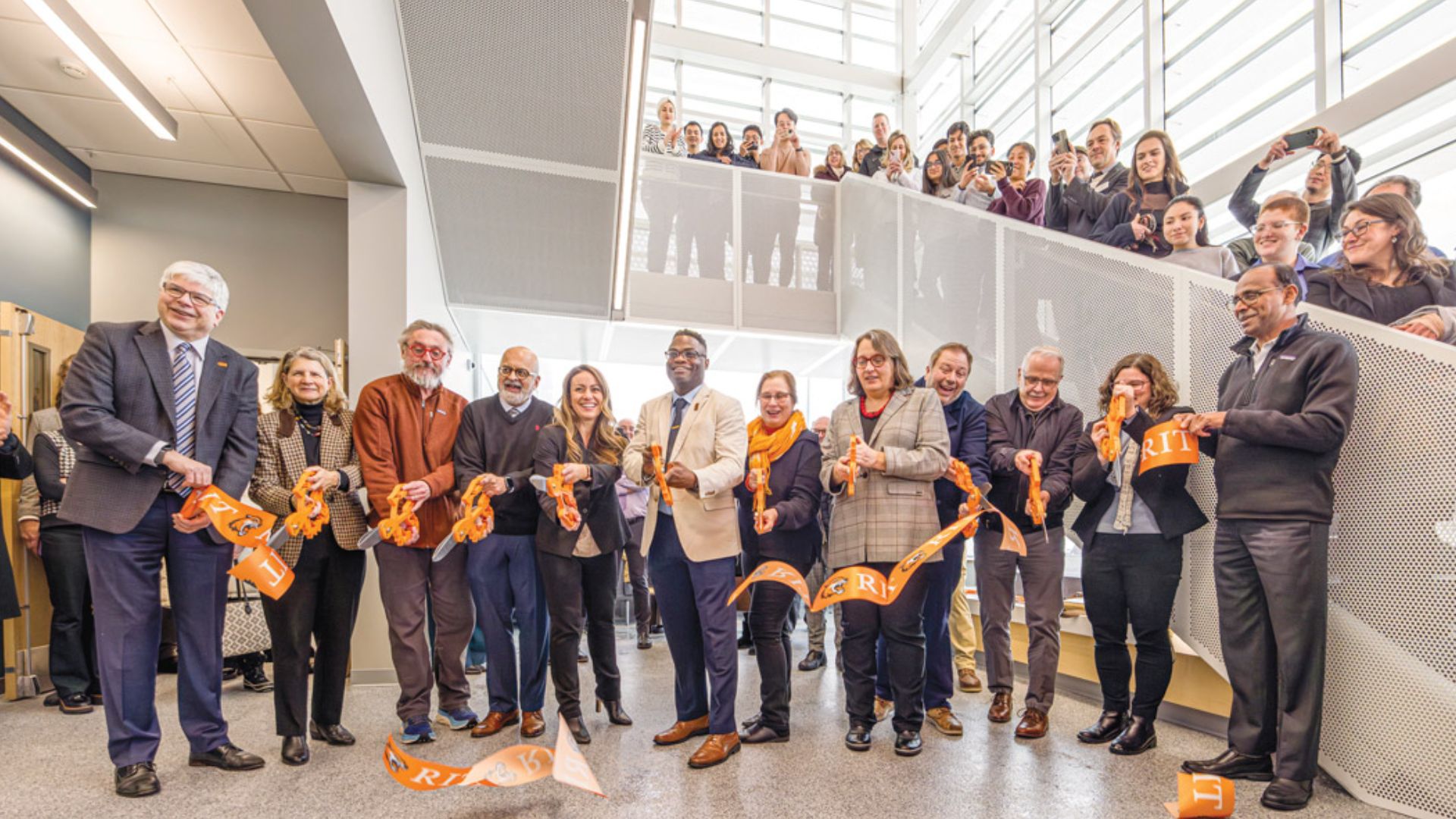
Rochester, New York – Rochester Institute of Technology is stepping into a new chapter with the unveiling of a strategic framework designed to guide the university through the next ten years. The plan, shaped through months of collaboration and discussion across the campus community, aims to strengthen RIT’s identity while preparing it to face a rapidly changing world.
University leaders say the framework reflects both tradition and ambition. It highlights the qualities that have long defined RIT—innovation, creativity, and a willingness to do things differently—while also acknowledging the challenges that higher education institutions are now facing.
In a message to the university community, RIT President William H. Sanders reflected on his first year in the role and the unique character of the institution.
“In my first year as president, it quickly became clear that RIT is a special place—one that has always charted its own path on the journey to excellence.”
According to Sanders, the university’s success has never been about copying others. Instead, it has come from making thoughtful decisions about where to focus its energy and building on the areas where RIT stands out. That distinctive approach—working at the crossroads of technology, the arts, and design—continues to shape the university’s direction.
“Our momentum has never come from imitation. It comes from being intentional about where we focus, embracing what makes us distinctive, and confidently operating at the intersection of technology, the arts, and design.”
The timing of the new framework comes as colleges and universities across the country navigate a complicated landscape. Demographic shifts are affecting student populations, technology continues to reshape learning and research, and global uncertainties are forcing institutions to rethink long-term strategies.
Sanders noted that the challenges are real but emphasized that RIT is well equipped to respond.
“Today, we are navigating headwinds on many fronts. Changing demographics, technological disruptions, and national and global challenges require us to be nimble and calculated. Yet, RIT is uniquely positioned to lead. We turn disruption into opportunity. This moment calls for bold thinking and decisive action. Today’s urgent challenges are matched only by the scale of tomorrow’s opportunities.”
The newly completed document, titled “Transforming Lives Through Creativity and Innovation,” is not meant to serve as a rigid plan with strict steps and deadlines. Instead, it offers a guiding structure that allows the university to stay flexible while remaining grounded in its mission.
The framework emerged after more than a year of campus engagement. Faculty members, students, staff, governance groups, and external partners all contributed through listening sessions, surveys, concept papers, and ongoing discussions. University leaders say that process ensured the final framework reflects the ideas and ambitions of the broader RIT community.
“After more than a year of thoughtful, community-driven work, I am proud to share an important milestone: the completion of RIT’s Strategic Framework for the next decade, titled ‘Transforming Lives Through Creativity and Innovation.’ Shaped by listening sessions, surveys, concept papers, and collaboration across colleges, governance groups, and partners, this framework reflects the wisdom, creativity, and ambition of our entire university community.”
At the heart of the framework are four central pillars that will guide the university’s efforts moving forward.
The first pillar, Transformative Student Experiences and Success, focuses on strengthening student-centered education. It emphasizes expanding access to education, improving pathways to graduation, and ensuring that students graduate with the skills needed for careers that continue to evolve in an increasingly technological world.
The second pillar, World-Changing Research, highlights RIT’s growing role as a research institution. By encouraging deeper collaboration across academic disciplines, the university hopes to accelerate discovery and turn new ideas into real-world solutions that address global challenges and contribute to economic and social progress.
Another pillar, A Culture of Well-Being and Belonging, centers on the people who make up the university. Leaders say the goal is to create an environment where students, faculty, and staff feel supported and valued—academically, professionally, and personally.
The fourth pillar, Global Reach and Mindset, reflects RIT’s expanding international presence and its commitment to preparing students for leadership in a connected world. At the same time, the university intends to maintain strong ties to Rochester and the surrounding community.
Looking ahead, Sanders believes the university’s long history of adapting to technological change positions it well for the future.
“Our history of adapting to technological change for nearly two centuries positions us to lead in this era. Our purpose is clear: to educate and empower the next generation of leaders, innovators, creators, and problem-solvers, who will advance society and enhance knowledge and innovations that contribute to the greater good.”
With the framework now complete, university leaders say the focus shifts to action—turning ideas into progress while continuing to evolve alongside the world around them.


-

 Local News1 year ago
New ALDI store close to Rochester to begin construction in late 2025 or early 2026
-

 Local News11 months ago
County Executive Adam Bello and members of the county legislature celebrate exceptional young leaders and advocates at the 2025 Monroe County Youth Awards
-

 Local News1 year ago
Rochester Lilac Festival announces exciting 127th edition headliners
-

 Local News11 months ago
The 2025 Public Market Food Truck Rodeo series will begin this Wednesday with live music by the Royal Bromleys