Local News
Doctors explain common mistakes patients should avoid during recovery after knee replacement surgery

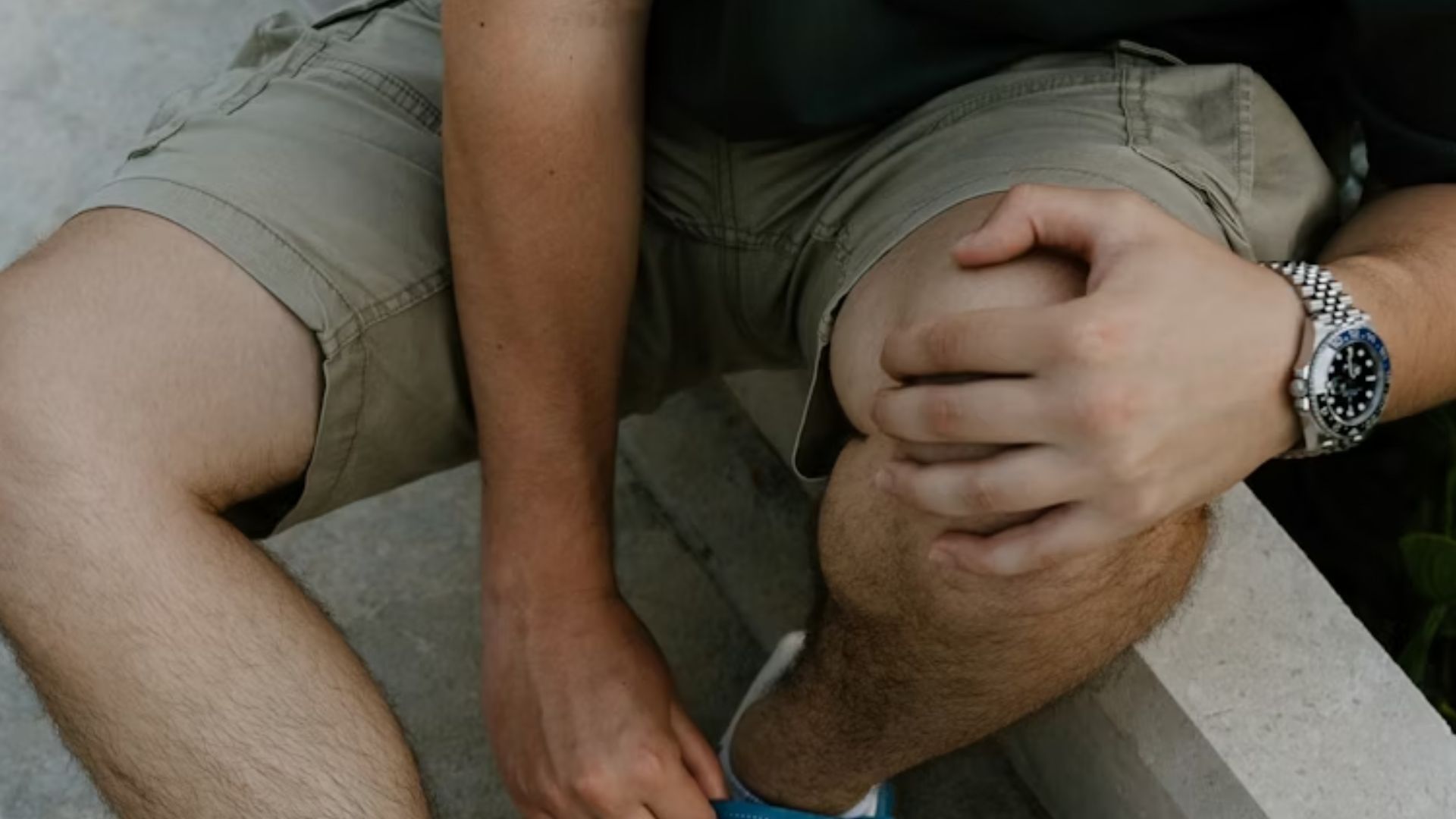
Rochester, New York – Knee replacement surgery has helped millions of people reclaim their mobility and ease the kind of joint pain that can make even the simplest daily tasks feel exhausting. For many patients, the operation marks the beginning of a long-awaited return to walking comfortably, climbing stairs, and enjoying activities that once felt out of reach. Yet the operation itself is only the first chapter of the recovery journey. What happens in the weeks that follow can make the difference between a smooth recovery and a frustrating setback.
Doctors say that understanding what not to do after knee replacement surgery is just as important as knowing what steps support healing. According to orthopaedic surgeon John Ginnetti, MD, at UR Medicine, patients who approach recovery carefully — and patiently — often see the best results.
One of the most common mistakes patients make after surgery is neglecting physical therapy. While it can be tempting to skip a session or cut exercises short, especially when the knee feels sore or stiff, physical therapy plays a central role in recovery. The exercises prescribed after surgery are designed to restore movement, strengthen muscles around the joint, and help the new knee function properly.
Skipping sessions or ignoring the therapist’s instructions can slow progress dramatically. Over time, lack of consistent therapy can limit the knee’s range of motion and even increase the risk of complications such as blood clots. A steady physical therapy routine, even when it feels challenging, allows patients to rebuild strength safely while gradually returning to normal activity.
Pain is another factor that many patients struggle with in the weeks following surgery. Some discomfort is expected during the healing process, but pain should not become a barrier that prevents basic movement or therapy.
When pain becomes overwhelming, it may signal that adjustments are needed in the patient’s recovery plan. Difficulty standing, walking, or completing therapy exercises can sometimes indicate that pain management needs to be reviewed. In rarer cases, it may point to a complication that requires medical attention.
Managing pain effectively helps patients move more comfortably and stay active during recovery. Movement itself is an important part of healing, as it helps prevent stiffness and lowers the risk of blood clots. Doctors typically recommend a combination of strategies to keep pain under control.
These approaches include rest, which gives the body time to heal while balancing activity and therapy. Ice is commonly used to reduce swelling and relieve discomfort in the knee. Elevation can also help, with patients advised to raise the leg above heart level when possible to limit swelling. Medications prescribed by doctors should be taken exactly as directed, and patients are encouraged to contact their medical team if they notice side effects or feel their pain is not adequately controlled.
Another challenge many patients face is comparing their recovery to someone else’s. Stories of friends, coworkers, or relatives who seemed to bounce back quickly after surgery can create pressure to move faster than the body is ready for.
But surgeons emphasize that recovery from knee replacement surgery is not a race. Each person’s body heals at its own pace, influenced by factors such as age, physical condition, and overall health.
Trying to do too much too soon can create unnecessary setbacks, particularly in the first two to three weeks after surgery when the knee is still healing. High-impact activities should be avoided during this period, and patients should not push their knee beyond the range of motion recommended by their doctor or therapist. Even returning to work or daily routines too early can interfere with proper healing.
Instead, patients are encouraged to allow recovery to unfold gradually. Medical providers and therapists typically create structured recovery plans that outline safe activity levels and timelines for returning to work or exercise. Following that plan carefully is often the safest path toward regaining full mobility.
Follow-up care is another key part of the recovery process. Because every patient’s healing journey is different, doctors emphasize the importance of staying in contact with the medical team after surgery.
Regular follow-up appointments allow surgeons and therapists to monitor progress, adjust therapy programs, and address any concerns that arise during recovery. These visits also provide an opportunity to tailor treatment plans to the patient’s needs, ensuring that pain management, rehabilitation exercises, and activity levels are all appropriate for their stage of healing.
At UR Medicine, specialists work closely with patients to build individualized recovery plans that guide them through each phase of rehabilitation. The goal is not only to ensure the new joint functions well but also to help patients regain confidence in their movement.
Patients are also encouraged to reach out whenever questions or concerns appear along the way. Recovery from knee replacement surgery can involve moments of uncertainty, especially during the early weeks when progress may feel slow.
But with patience, careful attention to therapy, and guidance from a medical team, most patients gradually regain strength and mobility. Avoiding common missteps — from skipping therapy to rushing the recovery process — can help ensure that the new knee performs as intended.
In the end, successful recovery is rarely about speed. It is about steady progress, careful choices, and allowing the body the time it needs to heal properly.


-

 Local News1 year ago
New ALDI store close to Rochester to begin construction in late 2025 or early 2026
-

 Local News11 months ago
County Executive Adam Bello and members of the county legislature celebrate exceptional young leaders and advocates at the 2025 Monroe County Youth Awards
-

 Local News1 year ago
Rochester Lilac Festival announces exciting 127th edition headliners
-

 Local News11 months ago
The 2025 Public Market Food Truck Rodeo series will begin this Wednesday with live music by the Royal Bromleys