Local News
Wegmans biometric data collection at a New York City store sparks privacy questions and concern among shoppers in Rochester

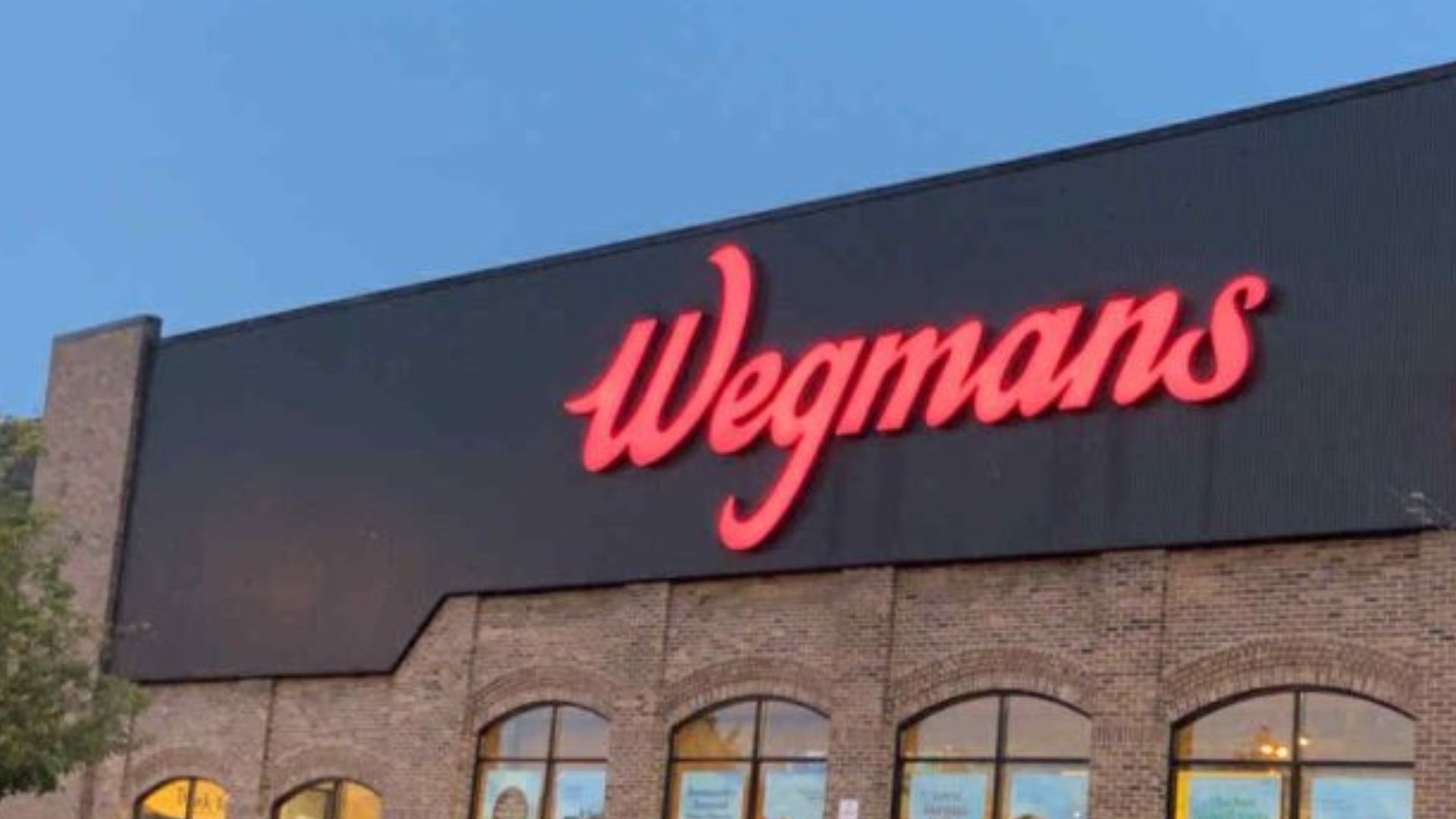
Rochester, New York – A single sign posted in the front window of a Wegmans store in New York City has sparked a wider conversation that is now reaching Rochester, raising fresh questions about how biometric data is collected and how much shoppers really know about it.
The sign, which was photographed and shared widely online, informs customers that biometric identifier information is collected at the store. According to the notice, that information includes facial recognition, eye scans, and voiceprints. The purpose, the sign states, is to help identify individuals in order to protect the safety and security of customers and employees inside the store.
The image quickly gained attention, with shoppers and privacy advocates questioning what kind of data is being gathered, how it is used, and whether customers are clearly informed before walking through the doors. While the sign appeared at a New York City location, the discussion has spread back to Rochester, where Wegmans is headquartered and where many loyal customers are closely watching how the company handles privacy.
At this time, it remains unclear whether the same biometric data collection practices used at the New York City store are in place or planned for Wegmans locations in the Rochester area. A request has been made to the company seeking clarification, but a response has not yet been provided.
Wegmans’ website does address biometric information, though in narrower terms. According to the company’s published policy, biometric data collection is limited to facial recognition and is used by the asset protection team. The policy states, “Our Security Equipment records digital images but does not record audio information (collectively, “Security Information”). Security Information is only accessible to a limited number of Wegmans employees, third-party service providers, and/or law enforcement, all of whom may be engaged to assist with security-related tasks when they arise.”
The company also emphasizes that the data is not being sold or used for profit. “Wegmans Security Information is not shared, leased, or exchanged with third parties for anything of monetary value or any other form of profit.”
Despite those assurances, some local officials say the issue is not just about how the data is handled, but how clearly customers are informed. Monroe County Legislator Rachel Barnhart brought renewed attention to the matter after posting a copy of a letter she sent to Wegmans CEO Colleen Wegman on social media.
In the letter, Barnhart raised concerns about consumer awareness and transparency, particularly for shoppers who may not expect biometric data collection while buying groceries. “Wegmans’ online policy notes the collection of biometric information for security and asset protection purposes. But disclosure buried on a website is not meaningful notice. Customers should not be expected to read privacy policies before buying groceries.”
Her comments reflect a broader concern shared by many shoppers who say they were surprised to learn about the technology only after seeing the sign online. Some have questioned whether signage alone is enough, while others wonder if similar notices exist at stores outside of New York City.
As biometric technology becomes more common in retail spaces, the situation highlights the growing tension between security measures and personal privacy. For Wegmans customers in Rochester and beyond, the unanswered question remains whether these practices will expand and how clearly the company will communicate any changes.
Until Wegmans responds with more details, the conversation is likely to continue, driven by customers who want to understand exactly what data is being collected when they step inside their neighborhood grocery store.


-

 Local News1 year ago
New ALDI store close to Rochester to begin construction in late 2025 or early 2026
-

 Local News1 year ago
Rochester Lilac Festival announces exciting 127th edition headliners
-

 Local News10 months ago
County Executive Adam Bello and members of the county legislature celebrate exceptional young leaders and advocates at the 2025 Monroe County Youth Awards
-

 Local News10 months ago
The 2025 Public Market Food Truck Rodeo series will begin this Wednesday with live music by the Royal Bromleys